In the world of metallurgy, understanding material properties is crucial. One common question arises: what is the difference between stainless steel plate and coil? Expert John Smith, a renowned metallurgist, once stated, "The choice between plate and coil can significantly affect your project's outcome."
Stainless steel plates and coils serve various purposes across industries. Plates are thick and rigid, providing strength in applications like construction. Coils, on the other hand, are thin and flexible, ideal for projects requiring roll forming or deeper processing. Each form has its unique advantages, which can influence material selection.
However, not all projects benefit from the same type. Misunderstanding these differences may lead to costly errors. It’s essential to evaluate specific needs and applications before making a decision. Clarifying this distinction in your planning phase can save time and resources in the long run.
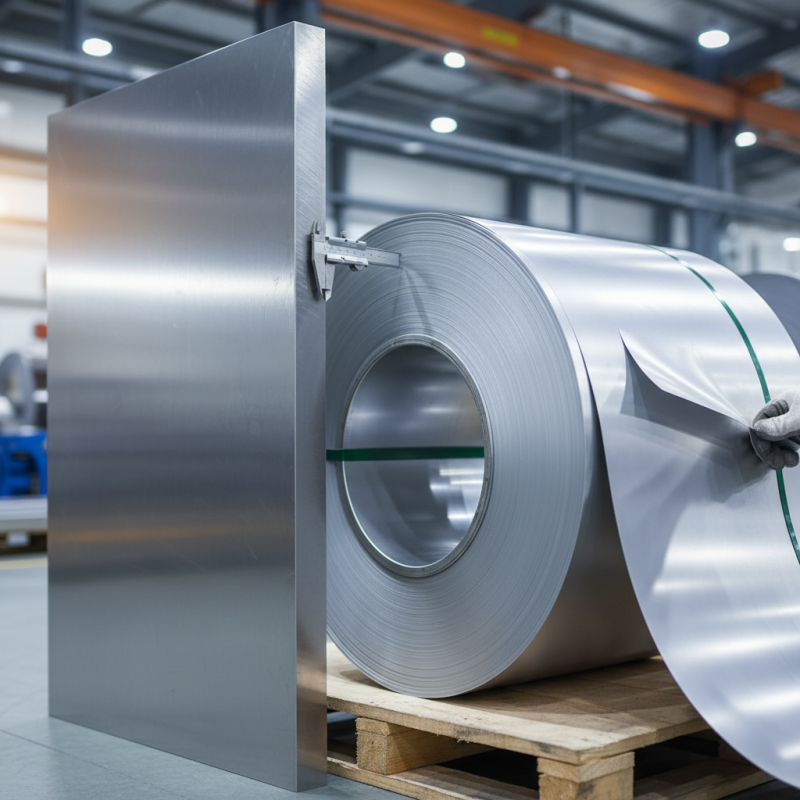
Introduction to Stainless Steel Products: Plates vs Coils
Stainless steel products are essential in various industries.
Plates and coils represent two common forms of stainless steel. Understanding their differences is crucial for selecting the right material for specific applications.
Plates are flat, thick sheets, often used in construction and manufacturing.
They provide strength and durability. Typical applications include structural components and heavy machinery.
Coils, on the other hand, are thin, rolled sheets. They are flexible and easy to transport.
Industries often use coils for producing containers and appliances.
The thickness and form impact their usability. Plates can withstand more substantial loads.
However, they may be harder to shape. Coils can be cut and shaped more easily, making them versatile.
This distinction shows the importance of knowing when to use each form for optimal results.
Key Characteristics of Stainless Steel Plates
Stainless steel plates are essential in various industries, known for their durability and corrosion resistance. These plates are thick, flat pieces of stainless steel used in construction, manufacturing, and marine applications. They provide strength and stability, making them ideal for heavy-duty uses. The thickness typically ranges from 3 mm to 100 mm. This versatility makes them a preferred choice for structural components and heavy machinery parts.
In contrast, stainless steel coils are rolled sheets that are thinner and lighter. They are often used for applications requiring flexible materials. Coils can be unwound for further processing, making them ideal for fabrication. Understanding the weight and shape differences is crucial for selecting the right type for your project.
Tips: When choosing stainless steel plates, consider the material's grade. Different grades offer various properties like temperature resistance and strength. Additionally, take note of the finish. A polished surface may enhance corrosion resistance. For projects requiring a specific dimension, always check the tolerances; even minor deviations can affect the overall performance.
Key Characteristics of Stainless Steel Coils
Stainless steel coils are essential in various industries due to their flexibility and durability. These coils are produced by rolling the metal into thin sheets, which can then be coiled. Their shape allows for easy transportation and storage, making them a popular choice in manufacturing. Coils can be used in pipes, automotive applications, and kitchen equipment.
One notable characteristic of stainless steel coils is their resistance to corrosion. This property is crucial for products exposed to moisture or chemicals. Additionally, coils maintain their strength under high temperatures, which is beneficial in many industrial processes. However, the way they are produced can lead to inconsistencies in quality, sometimes requiring manufacturers to adapt their processes.
In some cases, buyers may notice that coils vary in thickness and finish. These discrepancies might affect the final product's appearance and performance. It's vital for buyers to understand these variables. Paying attention to these details can help ensure the right choice is made for specific applications. Crafting solutions with stainless steel coils requires expertise and careful consideration of each project's unique needs.
Comparison of Key Characteristics of Stainless Steel Plate vs Coil
Comparative Analysis: Applications of Plates vs Coils
When comparing stainless steel plates and coils, applications play a crucial role. Plates are typically cut, shaped, and welded into various structures. They are often used in construction, shipbuilding, and manufacturing. Their thickness and rigidity make them ideal for heavy-duty applications. For instance, large plates are used for
pressure vessels and structural beams.
Coils, on the other hand, offer flexibility. They are rolled sheets of stainless steel, commonly used for heat exchangers and automotive parts. The ability to bend and form makes coils versatile in diverse applications. They can also be easily transported, which adds to their appeal. However, sometimes their thickness can limit usage, creating challenges in heavier applications.
Both forms have strengths and weaknesses. While plates excel in support structures, coils shine in intricate designs. It's important to consider specific project requirements. The choice between plates and coils should align with functional needs and environmental conditions. This deeper understanding ensures more effective use of materials in real-world applications.
Factors Influencing the Choice Between Plates and Coils
When selecting between stainless steel plates and coils, several factors come into play. Understanding the differences can significantly impact project efficiency. Plates usually offer greater thickness and durability, while coils are more versatile and easier to transport. The choice often depends on the specific application. For instance, construction projects may prioritize plates for their strength. Meanwhile, manufacturing processes might lean towards coils for their flexibility.
Cost-effectiveness is another crucial factor influencing this decision. Plates may cost more initially due to their thickness. However, coils can require additional handling and processing costs. It's essential to consider the long-term implications of this choice. Additionally, the intended use can affect material choice. For high-stress environments, thick plates may be preferable. In contrast, coils can be advantageous for routine applications where strength isn't the main concern.
Availability and supplier expertise also play roles in decision-making. Some suppliers might specialize in one type over the other. This could affect inventory access and delivery times. Choosing the right supplier, knowledgeable about each material, ensures a smoother purchasing process. This decision-making involves balancing many aspects, including performance, cost, and material usage. Reflecting on these factors can lead to better choices in material selection.
FAQS
: The main forms are plates and coils.
Plates are used in construction and machinery for their strength and durability.
Coils are flexible, easy to transport, and versatile for various applications.
Plates are found in construction, shipbuilding, and manufacturing as structural components.
Yes, coils can be easily cut and shaped, offering design flexibility.
Their thickness can limit usage in heavy-duty applications, creating challenges.
Consider specific project needs and environmental conditions for the best choice.
Plates may be harder to shape, limiting their versatility in some designs.
Coils are commonly used for heat exchangers and automotive parts due to their flexibility.
It helps ensure the right material is selected for optimal results in specific applications.
Conclusion
This article explores the question of "what is the difference between stainless steel plate and coil," highlighting the distinct characteristics and applications of each type. Stainless steel plates are typically thicker, providing greater strength and rigidity, making them suitable for structural applications. In contrast, coils are more versatile and are commonly used for processes that require bending or rolling into different shapes.
The comparative analysis of applications reveals that plates are often used in industries such as construction and manufacturing, where durability is crucial, while coils serve well in automotive and appliance production due to their flexibility. Ultimately, the choice between stainless steel plates and coils depends on factors such as the required strength, flexibility, and the specific application needs, emphasizing the significance of understanding their differences.

 TEDDI STEEL