Stainless steel stands out as a superior material in diverse industries. According to the International Stainless Steel Forum (ISSF), global stainless steel production reached over 50 million tons in 2022. This surge reflects its growing applications and acceptance. To understand why many industries favor it, one might ask, "what are the advantages of stainless steel over other metals?"
Expert Mark Smith, a leading metallurgist, emphasizes, "Stainless steel combines durability, corrosion resistance, and aesthetic appeal." These properties make it ideal for environments where other metals fail. For instance, in the food and beverage sector, stainless steel prevents contamination, ensuring safety and quality. Its resistance to rust and stains enhances longevity in construction projects, saving costs in the long run.
However, it's worth noting that while stainless steel has many benefits, it can be more expensive than some alternatives. This cost can sometimes skew decision-making in projects. Despite this, the long-term savings and performance often outweigh any initial investment. Analyzing the pros and cons gives a clearer picture of how stainless steel leads in material choice among industries.
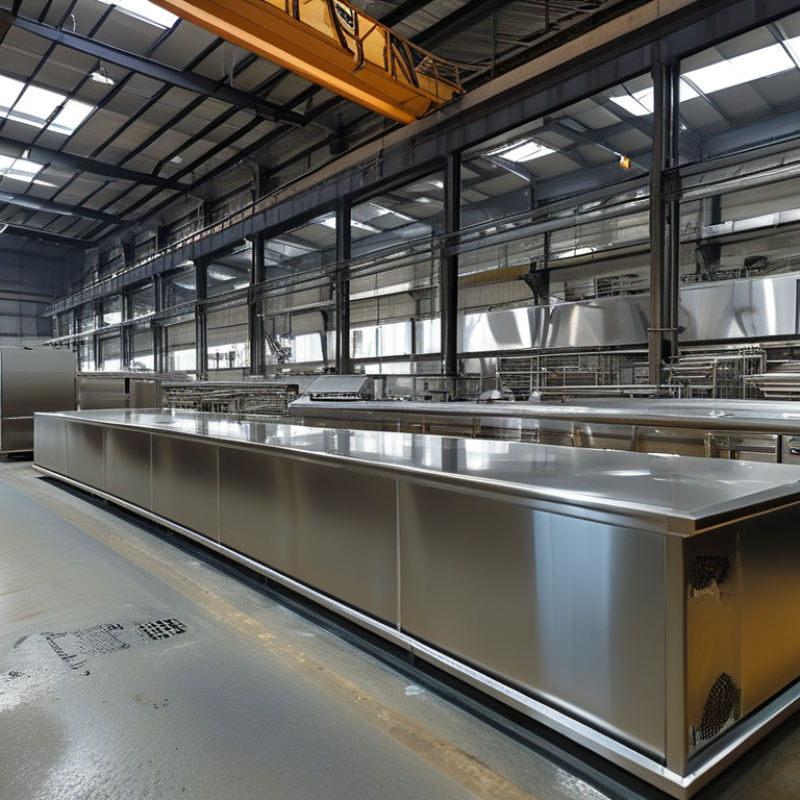
Benefits of Corrosion Resistance in Stainless Steel
Stainless steel stands out among metals largely due to its remarkable corrosion resistance. This characteristic is primarily attributed to the presence of chromium, which forms a thin layer of chromium oxide on the surface. This protective oxide layer prevents further oxidation and rusting, ensuring longevity in various environments. Industries such as food processing, construction, and automotive rely heavily on this trait, as exposure to moisture and harsh chemicals can lead to rapid deterioration of other materials.
The benefits extend beyond just durability. Stainless steel’s corrosion resistance can lead to lower maintenance costs over time. Unlike other metals, it does not require frequent painting or refurbishment. This translates into savings in both labor and materials. However, it’s essential to choose the right grade of stainless steel for the intended use. Not all stainless steels offer the same level of protection. In environments with extreme conditions, even stainless steel may show signs of wear or corrosion if not selected carefully.
While the advantages of stainless steel are clear, users must not ignore its limitations. Some may find its initial cost higher compared to other materials. This can be daunting for small projects. However, considering its lifespan and maintenance needs can shed light on its true value. Understanding these nuances ensures informed decisions and maximizes the benefits of using stainless steel.
Durability Comparison: Stainless Steel vs. Carbon Steel
When comparing stainless steel to carbon steel, durability stands out as a crucial factor. Stainless steel is known for its corrosion resistance, making it ideal for harsh environments. For instance, structures exposed to moisture or chemicals benefit greatly from this quality. In contrast, carbon steel is prone to rust without protective coatings. This makes it less suitable for outdoor use without regular maintenance.
The strength of stainless steel also plays a vital role. It tends to withstand higher temperatures compared to carbon steel. This is particularly important in industries like construction and manufacturing, where metal parts face extreme conditions. However, while stainless steel is durable, it can be more challenging to work with due to its toughness. This can lead to higher costs in fabrication, a consideration for project managers.
Still, the trade-offs with stainless steel often reveal a clear trend. Companies prioritizing long-term use find its benefits outweigh the initial expenses. Carbon steel may be cheaper upfront but requires frequent servicing. This drives up lifetime costs significantly. Understanding these nuances is essential for making informed material choices.
Aesthetic Appeal: Surface Finish and Appearance of Stainless Steel
Stainless steel is renowned for its aesthetic appeal. Its surface finish can range from mirror-like polish to a more muted matte look. This versatility allows it to fit into various design schemes, from modern kitchens to sleek office spaces. The smooth surface reflects light beautifully, creating an impression of cleanliness and sophistication. Many interior designers favor stainless steel for its ability to elevate any setting.
Yet, while stainless steel looks great, not every finish is perfect. Some surfaces may show fingerprints easily. Regular maintenance is necessary to keep its shine. This can be a drawback for those seeking a low-maintenance option. Additionally, not all stainless steel grades provide the same aesthetic properties. Slight variations in alloy composition can lead to differences in finish and appearance. It's essential to choose the right grade for the desired look.
Despite these potential issues, the overall appeal of stainless steel remains strong. Its ability to withstand corrosion and rust complements its beauty. In environments where hygiene is critical, like hospitals or kitchens, its sleek appearance works hand-in-hand with practical benefits. When carefully selected and maintained, stainless steel can combine functionality with elegance.
Maintenance Advantages of Stainless Steel Over Other Metals
Stainless steel is widely recognized for its superior maintenance advantages. Unlike other metals, it resists rust and corrosion due to its chromium content. This quality is crucial in environments that face moisture or chemicals. For instance, kitchens and laboratories benefit enormously from stainless steel surfaces. Regular cleaning is often all that is required to keep them looking new.
Another critical aspect is the absence of patina. Other metals may require sealing or coatings to maintain their appearance. This extra step often leads to added costs and labor. In contrast, stainless steel maintains its luster with minimal effort. Even after years of use, it often retains its original shine. However, users should be mindful of scratches and dents, as these can mar its aesthetic appeal.
One cannot overlook the sustainability of stainless steel. It is 100% recyclable, which is appealing for eco-conscious consumers. Though its initial cost may be higher than other metals, its longevity can lead to cost savings. Yet, consumers sometimes hesitate due to the upfront expense. This hesitation may prevent them from enjoying the long-term benefits of stainless steel.
Cost-Effectiveness in the Long Term: Stainless Steel's Value Advantage
Stainless steel offers significant cost-effectiveness over time, making it a wise choice for many applications. Its durability is a crucial factor. Unlike other metals, it resists rust and corrosion. This means lower maintenance costs. For example, a stainless steel structure can last decades with minimal upkeep. In contrast, a copper or aluminum structure may require frequent repairs or replacements.
Additionally, stainless steel has a high scrap value. If you decide to recycle it, you can recoup some of your initial investment. Unlike many materials that lose value over time, stainless steel can maintain its worth. This creates a sense of financial security for those investing in it.
However, the initial cost of stainless steel may be higher than alternatives. Some see this as a barrier. Despite the upfront expense, the long-term savings are undeniable. Companies and individuals often realize that the lifespan and performance justify the investment. Careful consideration of costs and benefits is essential.
Top 5 Advantages of Stainless Steel Over Other Metals
FAQS
: Stainless steel offers a versatile surface finish. It can be polished or matte, fitting various designs.
Designers appreciate its ability to enhance settings. It brings a modern touch to kitchens and office spaces.
Yes, some finishes may show fingerprints. Regular cleaning is needed to keep a stainless steel surface shiny.
Unlike copper or aluminum, stainless steel resists corrosion. This leads to lower maintenance costs over time.
Yes, stainless steel has a high scrap value. It can recoup some initial investment when recycled.
The initial cost can be higher compared to alternatives. Some may find this a barrier to purchase.
Different stainless steel grades have varying aesthetic properties. Alloy composition influences the finish and look.
Yes, it’s ideal for hygienic spaces like hospitals. Its appearance complements practical hygiene benefits.
Stainless steel structures can last decades. They require minimal upkeep compared to other metals.
Buyers need to balance upfront costs with long-term savings. Careful consideration of benefits is crucial.
Conclusion
Stainless steel offers numerous advantages over other metals, making it a popular choice for various applications. One of the primary benefits is its exceptional corrosion resistance, which extends the lifespan of products and reduces maintenance needs. In durability comparisons, stainless steel outperforms carbon steel, providing greater strength and resistance to wear and tear. Additionally, the aesthetic appeal of stainless steel, with its sleek surface finish and modern look, makes it ideal for both functional and decorative uses.
When considering maintenance, stainless steel requires less effort to keep clean and retains its appearance over time. Finally, although the initial cost may be higher, stainless steel proves to be cost-effective in the long term due to its durability and low maintenance requirements. In summary, when evaluating what are the advantages of stainless steel over other metals, its corrosion resistance, durability, aesthetic appeal, low maintenance, and long-term value stand out as key factors.

 TEDDI STEEL