Why Choose Stainless Steel for Construction Benefits Explained?

Time:2026-05-11 Author:Oliver
0%

In the world of construction, choosing the right materials is crucial. Among the various options available, stainless steel stands out for its unique advantages. Builders and architects often seek solutions that combine durability with aesthetic appeal. So, what are the benefits of stainless steel in construction?

One key benefit is its resistance to corrosion. Unlike other materials, stainless steel maintains its integrity over time. This quality is essential for structures exposed to harsh weather conditions. Additionally, stainless steel is known for its strength-to-weight ratio, making it both a sturdy and lightweight choice.

Many projects also favor stainless steel for its recyclability. This makes it an environmentally friendly option, aligning construction with sustainability goals. However, despite these clear advantages, some may overlook the initial cost of stainless steel. Investing in this material may require more upfront capital, yet it pays off through lower maintenance and repair costs in the long run. Ultimately, considering the benefits of stainless steel provides valuable insight for informed construction decisions.
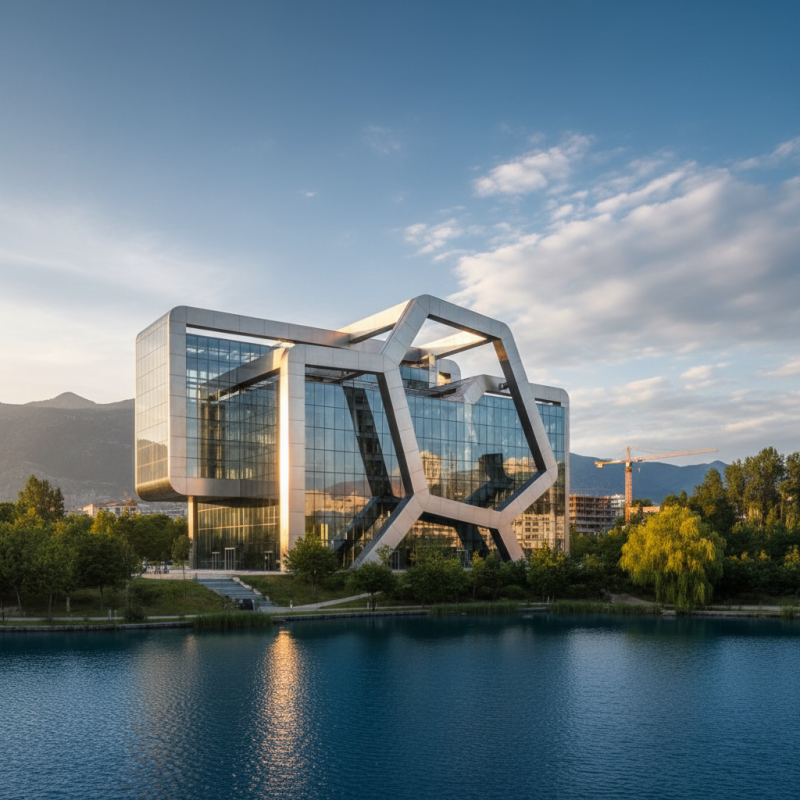
Why Choose Stainless Steel for Construction Benefits Explained?

Benefits of Stainless Steel in Construction: An Overview

Stainless steel has become a preferred material in construction due to its impressive properties. Its strength-to-weight ratio is notable, providing durability without excess weight. A report from the International Stainless Steel Forum indicates that stainless steel structures can last over 100 years with minimal maintenance. This longevity reduces the need for frequent replacements, making it a cost-effective choice.

The material also boasts corrosion resistance, which is especially critical in harsh environments. According to a study by the American Institute of Steel Construction, structures made from stainless steel can better withstand exposure to moisture and chemicals than their carbon steel counterparts. This resistance contributes to increased safety and stability over time.

In terms of aesthetics, stainless steel offers a sleek, modern appearance. It can be used in various architectural designs without compromising strength. While it may be more expensive initially, the long-term benefits often outweigh the costs. However, it is crucial to consider the specific environmental conditions during construction to fully leverage its advantages. Understanding these factors can help builders maximize the performance of stainless steel in their projects.

Durability and Longevity: Why Stainless Steel Outlasts Other Materials

When it comes to construction materials, stainless steel stands out for its durability and longevity. This material is resistant to corrosion, rust, and staining. Unlike wood or plastic, stainless steel does not warp or degrade over time. It remains intact under various weather conditions, making it an ideal choice for both indoor and outdoor applications.

Stainless steel’s strength contributes to its long lifespan. It can withstand heavy loads and high-impact forces without compromising its structural integrity. Many structures using stainless steel last for decades, if not centuries, with minimal maintenance. However, it is crucial to ensure proper installation. Even the best materials can underperform if not treated correctly.

Moreover, stainless steel is sustainable. Often made from recycled materials, it is 100% recyclable after its use. This feature enhances its appeal in eco-conscious construction projects. Choosing stainless steel means investing in a material that not only lasts but also aligns with modern sustainability goals. Yet, the initial cost may deter some builders. It's essential to weigh long-term benefits against upfront expenses for an informed decision.

Durability and Longevity of Stainless Steel vs Other Materials

Stainless steel has a higher durability rating compared to other materials like aluminum, wood, concrete, and plastic. This chart illustrates how stainless steel outlasts these common construction materials, making it a preferred choice for lasting durability in construction projects.

Corrosion Resistance: The Key Advantage of Stainless Steel in Various Climates

Stainless steel stands out in construction due to its exceptional corrosion resistance. This trait is vital, especially in environments exposed to moisture and aggressive chemicals. Industry reports indicate that up to 90% of stainless steel's structural integrity remains intact after decades of exposure in harsh climates. This durability often translates into lower maintenance costs over time.

Corrosion can lead to significant expenses. A study by the National Association of Corrosion Engineers estimates that corrosion costs the U.S. economy over $300 billion annually. Buildings constructed from materials prone to corrosion often face costly repairs and reduced lifespans. Stainless steel mitigates these risks by maintaining its strength and appearance, even in challenging environments like coastal or industrial areas.

The versatility of stainless steel is another appeal. It performs well at both high and low temperatures. However, not all stainless steel grades are the same. Choosing the right grade for specific applications is crucial. A lack of understanding can lead to poor decisions, resulting in unexpected failures or safety hazards. Understanding these nuances is essential for anyone involved in construction projects.

Aesthetic Appeal: The Visual Benefits of Using Stainless Steel

Stainless steel offers a unique aesthetic appeal that elevates any construction project. Its sleek surface and modern shine reflect light beautifully. This classic material can complement both contemporary and traditional designs. Using stainless steel can create striking facades and architectural features that catch the eye. Its versatility allows it to fit a wide range of settings, from urban skyscrapers to residential homes.

When considering stainless steel for design, there are a few tips to keep in mind. Focus on balancing texture and color with other materials. Combining stainless steel with wood or stone can create an intriguing contrast. Also, consider using different finishes, such as brushed or polished, to enhance your project's character. Remember, the reflection of stainless steel can distort surroundings; plan placements carefully to avoid unwanted reflections.

Another aspect to contemplate is maintenance. While stainless steel is generally low-maintenance, fingerprints and smudges can show, especially in highly visible areas. Regular cleaning can help maintain its luster without sacrificing its appealing look. Have a plan for upkeep to ensure the design remains timeless and visually attractive over time.

Why Choose Stainless Steel for Construction Benefits Explained? - Aesthetic Appeal: The Visual Benefits of Using Stainless Steel

Aspect Description Benefits
Corrosion Resistance Stainless steel is highly resistant to rust and corrosion, making it ideal for various environments. Longevity and reduced maintenance costs.
Aesthetic Appeal The sleek, shiny finish of stainless steel adds an elegant look to buildings and structures. Enhanced visual appeal and modern aesthetics.
Versatility Can be used in a variety of applications, from facades to fixtures. Flexibility in design and functionality.
Sustainability Stainless steel is recyclable and contributes to green building standards. Environmentally friendly choice.
Safety Non-reactive and safe for use in buildings, providing a hygienic surface. Promotes a safe and clean environment.

Cost-Effectiveness: Assessing Long-Term Savings with Stainless Steel Construction

Stainless steel has emerged as a favored material in construction due to its durability and long-term cost-effectiveness. Estimates show that stainless steel structures can lead to 30% lower maintenance costs over their lifespan compared to traditional materials like carbon steel. This reduction stems from stainless steel's resistance to corrosion, requiring less frequent repairs and replacements.

A study by the International Stainless Steel Forum indicates that initial investments in stainless steel can be offset by the savings accrued from lesser upkeep. Over 25 years, such savings can significantly outweigh the upfront costs. For instance, while the initial expenditure may be higher, the lifecycle cost analysis often reveals stainless steel as the more economical option.

Tip: When budgeting for construction, consider the long-term perspective. Initial costs may appear daunting, but the savings on maintenance will accumulate.

However, not every situation is ideal for stainless steel. Projects with budget constraints might lean towards cheaper alternatives. It's important to weigh the immediate budget against potential future costs.

Tip: Always conduct a thorough cost-benefit analysis, factoring in both short-term and long-term implications. Making informed decisions can lead to sustainable construction practices that save resources and money over time.

FAQS

: What makes stainless steel a popular choice in construction?

: Its strength-to-weight ratio and durability are impressive. It lasts over 100 years with minimal maintenance.

How does stainless steel perform in harsh environments?

It has excellent corrosion resistance, outperforming carbon steel in moisture and chemical exposure.

What are the aesthetic advantages of stainless steel?

It offers a sleek, modern look that complements various architectural styles. Its reflective surface creates striking designs.

Is stainless steel cost-effective in the long run?

While initially expensive, its durability and low maintenance reduce long-term replacement costs.

What should builders consider regarding stainless steel installation?

Proper installation is crucial. Even high-quality materials can fail if not treated correctly.

How does stainless steel align with sustainability goals?

It's often made from recycled materials and is 100% recyclable. This feature appeals to eco-conscious projects.

What maintenance does stainless steel require?

It's low-maintenance but can show fingerprints or smudges. Regular cleaning helps maintain its appearance.

Can stainless steel be combined with other materials?

Yes, pairing it with wood or stone can create interesting contrasts and enhance design elements.

What is a potential downside when using stainless steel?

The initial cost can be a barrier for some projects, but it's important to consider long-term benefits.

How can reflections from stainless steel be managed in design?

Careful planning is needed to avoid unwanted reflections and incorporate it effectively into the overall design.

Conclusion

Stainless steel has become a popular choice in construction due to its numerous advantages. When considering what are the benefits of stainless steel in construction, its durability and longevity stand out, as it significantly outlasts many other materials, making it a reliable option for various structural applications. Additionally, its exceptional corrosion resistance allows it to perform well in diverse climates, thereby reducing maintenance costs over time.

Moreover, stainless steel offers aesthetic appeal, contributing to modern architectural designs with its sleek and polished finish. This visual benefit not only enhances the overall look of buildings but can also increase property value. Finally, when evaluating cost-effectiveness, the long-term savings associated with stainless steel construction, due to its low maintenance requirements and extended lifespan, make it a prudent investment for both developers and homeowners alike.

Oliver

Oliver

Oliver is a seasoned marketing professional with a wealth of expertise in driving brand awareness and engagement. With a deep understanding of our company's product offerings, he consistently delivers high-quality content that enriches our professional blog. His insights not only shed light on......