Digital Guide to the Best Differences Between Hot Rolled and Cold Rolled Stainless Steel?

Time:2026-08-17 Author:Isabella
0%

When discussing stainless steel, one often wonders, "what is the difference between hot rolled and cold rolled stainless steel?" Understanding these differences is crucial for selecting the right material for specific projects. Hot rolled stainless steel is produced at high temperatures, which allows for easier shaping and forming. This process generally leads to a rough surface finish and less precise dimensions.

Conversely, cold rolled stainless steel is processed at room temperature, resulting in enhanced strength and a smoother surface. This method provides better dimensional accuracy, appealing to those who value precision. However, the cold rolling process can be more costly and time-consuming, which is something to consider.

Both processes have their unique advantages and drawbacks. It’s vital to assess the application requirements when choosing between hot rolled and cold rolled stainless steel. Reflecting on these differences helps in making informed decisions, ensuring that the right type is utilized effectively for your specific needs.
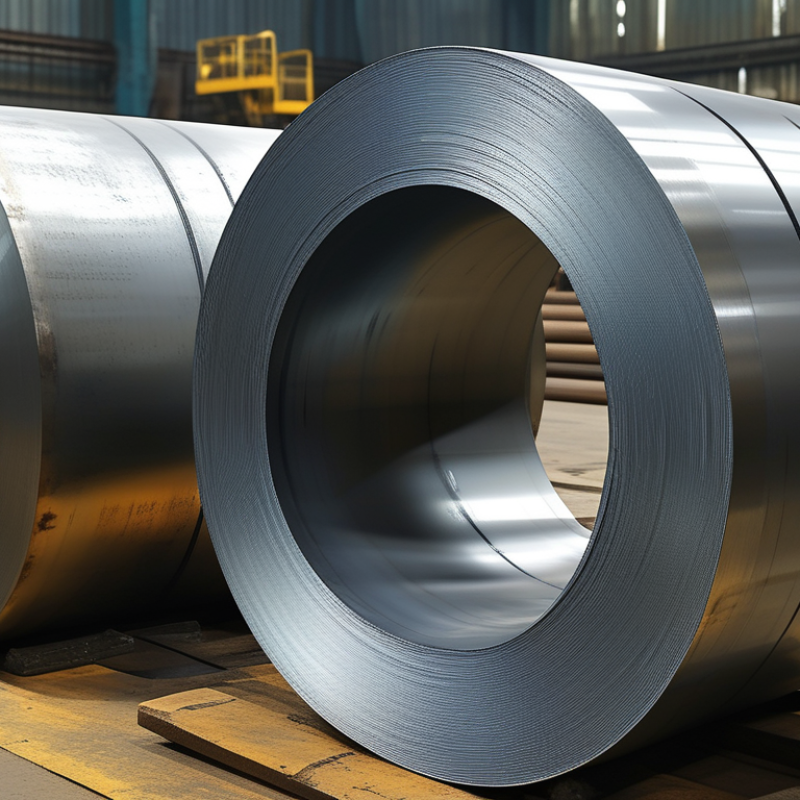
Digital Guide to the Best Differences Between Hot Rolled and Cold Rolled Stainless Steel?

Understanding the Basics of Hot Rolled Stainless Steel

Hot rolled stainless steel is a popular choice in construction and manufacturing. It is made by rolling steel at high temperatures, which alters its properties. The high heat makes the steel easier to shape. As it cools, it solidifies in the desired form. This process allows for thicker sheets and larger pieces.

The surface finish of hot rolled stainless steel is often rough. This can be an advantage or a drawback, depending on the application. For structural uses, this finish is usually acceptable. However, it may require further processing for exposed applications. The tolerance levels are also looser compared to cold rolled options. This can lead to challenges when precision is crucial.

Hot rolled stainless steel can sometimes lead to warping during cooling. This is a key consideration for engineers and fabricators. Quality control processes must address this issue. The choice between hot rolled and cold rolled is often based on the required properties for specific projects. Understanding these differences helps in making informed decisions.

Characteristics of Cold Rolled Stainless Steel and Its Applications

Cold rolled stainless steel has unique characteristics that set it apart from hot rolled steel. The cold rolling process enhances the steel's surface finish, resulting in a smoother, more polished appearance. This aesthetic quality makes it ideal for applications where appearance matters, such as in kitchen appliances and decorative elements. Additionally, cold rolled steel often exhibits increased strength and hardness thanks to its ability to undergo work hardening during production.

Applications of cold rolled stainless steel are diverse. It is widely used in the automotive industry, where strength and durability are paramount. Manufacturers value its resistance to corrosion, making it suitable for both exterior and interior parts. Architects and designers also favor cold rolled steel for building facades and structural components, benefiting from its excellent aesthetic and functional properties. However, some users may underestimate its susceptibility to certain stress-related issues, causing setbacks in specific applications. Understanding these characteristics requires careful consideration to ensure optimal performance.

Comparative Analysis: Hot Rolled vs. Cold Rolled Processes

In the world of stainless steel, the choice between hot rolled and cold rolled is significant. Hot rolling involves processing metal at high temperatures. This process allows for better malleability and easier shaping. The end product often has a rougher, scaled surface but boasts higher strength. Conversely, cold rolling occurs at or near room temperature, resulting in a smoother surface and tighter tolerances. The cold-rolled products are usually more attractive for aesthetic applications.

When considering which process to choose, think about your project needs. Hot rolled steel may be ideal for structural applications, while cold rolled steel is better for precision parts. Be aware that the choice impacts not just the final product but also cost and performance. Investigating each option can save time and resources.

**Tips**: Always evaluate the specific requirements of your project. Consider the environment where the steel will be used. For decorative elements, cold rolled options shine through. On the other hand, if strength is paramount, hot rolled steel might outperform. Understanding your needs guides better decision-making.

Mechanical Properties and Performance Differences

When comparing hot rolled and cold rolled stainless steel, mechanical properties often stand out significantly. Hot rolled stainless steel undergoes processing at high temperatures. This enhances its formability but can lead to lower strength. The typical yield strength of hot rolled stainless steel is around 210 MPa, and the tensile strength is about 570 MPa. These figures indicate that while hot rolled steel is easier to shape, its structural integrity may not be as robust.

In contrast, cold rolled stainless steel is processed at room temperature. This technique results in a smoother surface finish and higher strength levels. Cold rolled steel can achieve yield strengths of up to 310 MPa, with tensile strengths around 800 MPa. These properties allow cold rolled steel components to withstand greater stress and are often desirable in precision applications. However, the cold rolling process can create residual stresses. This aspect requires careful consideration in applications where dimensional stability is critical.

It is essential to choose the appropriate type based on specific mechanical requirements. While cold rolled offers superior strength, hot rolled might be preferable for applications where flexibility is paramount. Understanding these differences can greatly influence manufacturing decisions.

Choosing the Right Type for Your Project Needs

When selecting between hot rolled and cold rolled stainless steel, consider your project's specific needs. Hot rolled steel is shaped at high temperatures, making it easier to manipulate. It often has a rough surface and is ideal for structural applications. Cold rolled steel, made at room temperature, boasts a smoother finish and tighter tolerances. This makes it suitable for projects requiring precision.

Tips: Assess the environmental conditions your project will face. Hot rolled steel may withstand harsher settings, while cold rolled is more suited for applications requiring aesthetic appeal. Think about the budget as well. Cold rolled steel may be more expensive due to the additional processes involved.

Choosing the right type hinges on functionality and aesthetics. Hot rolled steel can be less than perfect in appearance. Cold rolled might require finishing treatments to enhance its appearance. Reflect on whether the visual aspects are crucial for your project. Understanding the differences is essential in making an informed decision.

FAQS

: What is hot rolled stainless steel?

: Hot rolled stainless steel is steel shaped at high temperatures. This process makes it easier to manipulate.

What is the surface finish of hot rolled stainless steel like?

The surface finish is often rough. This can be acceptable for structural uses but may need processing for aesthetics.

Are there any challenges with hot rolled stainless steel?

Yes, it can warp during cooling. Quality control is crucial to manage this issue effectively in construction.

How does cold rolled stainless steel differ from hot rolled?

Cold rolled steel has a smoother finish and tighter tolerances. It is stronger and more polished in appearance.

What are common applications for cold rolled stainless steel?

It is used in automotive parts and building facades. Its corrosion resistance is highly valued in these areas.

How do I choose between hot rolled and cold rolled stainless steel?

Consider your project's needs. Hot rolled is for structural use, while cold rolled is better for precise work and aesthetics.

Can cold rolled stainless steel have drawbacks?

Yes, it may face stress-related issues if not carefully considered. Proper analysis is crucial for optimal performance.

What factors should I assess when choosing steel types?

Evaluate environmental conditions, project aesthetics, and budget. These will guide your choice effectively.

Is appearance always essential for projects?

Not always. Hot rolled steel can appear less polished, while cold rolled may need additional finishing for visuals.

Conclusion

This article provides a comprehensive overview of what is the difference between hot rolled and cold rolled stainless steel. It begins by explaining the fundamentals of hot rolled stainless steel, including its manufacturing process and typical uses. The discussion then shifts to the characteristics of cold rolled stainless steel, highlighting its enhanced surface finish and tighter tolerances, which make it suitable for specific applications.

A comparative analysis follows, detailing the differences in the rolling processes and how these influence the mechanical properties and performance of both types of stainless steel. Ultimately, the article aids readers in understanding the unique benefits of each type, empowering them to choose the right material for their project needs based on structural requirements, aesthetic considerations, and overall performance specifications.

Isabella

Isabella

Isabella is a dedicated marketing professional with a sharp focus on driving brand growth and engagement through strategic content creation. With an extensive background in digital marketing, she combines her passion for storytelling with her keen understanding of industry trends to deliver......