Choosing the right stainless steel grade is crucial for various applications. Each grade has distinct properties that cater to specific needs. When considering how to choose the right stainless steel grade, think about factors like corrosion resistance, strength, and cost.
Stainless steel comes in several grades, each offering unique benefits. For instance, 304 is versatile and commonly used, while 316 provides superior corrosion resistance. However, selecting the appropriate grade can be challenging. Misunderstanding the requirements can lead to suboptimal choices, impacting durability and performance.
Consider practical applications. Do you need heat resistance? Is appearance important? Reflect on these aspects before making a decision. Take into account the environment where the material will be used. Not every grade is suitable for all situations. This thoughtful approach will ensure a better outcome for your projects.
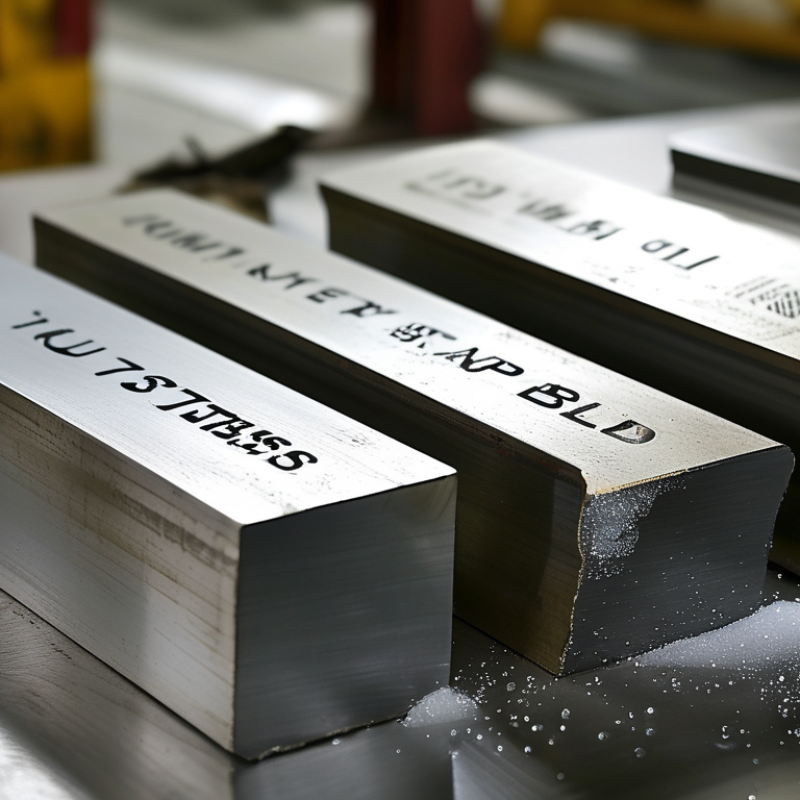
Stainless steel is a versatile material, known for its corrosion resistance and durability. It comes in various grades, each suited for different applications. According to the International Stainless Steel Forum, over 12 million metric tons of stainless steel were produced in 2020 alone. This massive production indicates its significance across numerous industries.
Grades like 304 and 316 are widely used. Grade 304 offers excellent corrosion resistance and is commonly found in kitchen appliances and food processing equipment. In contrast, grade 316 is often chosen for marine applications due to its superior resistance to saltwater. The slight difference in nickel content is crucial, as it affects the material’s durability. However, these selections might overlook specific environments that require less common grades.
It's essential to consider factors like fabrication, finishing, and expected exposure to harsh conditions. Certain grades may not perform as expected in extreme environments, leading to costly failures. A study by the ASM International highlights that over 30% of stainless steel failures stem from improper grade selection. Understanding the unique properties of each grade can prevent unnecessary challenges in your projects.
When choosing the right stainless steel grade, it's crucial to consider the environment where it will be used. Different grades offer varied resistance to corrosion. For instance, austenitic stainless steels like 304 excel in environments with mild corrosive elements. However, this may not be ideal for highly saline conditions, where grade 316 shines due to its superior resistance.
Another key factor is the mechanical properties required for your project. Some applications need higher strength and durability, which may lead you to select martensitic grades. These offer increased hardness but may not perform as well in corrosive environments. It’s important to weigh the specific needs against the characteristics of each grade, making trade-offs where necessary.
Budget constraints can also influence your decision. While higher-grade stainless steel might provide better longevity and performance, it often comes with a higher price tag. Identify the balance between cost and quality. After all, sometimes the most expensive option isn’t the best fit for your needs. Reflection is essential; consider future use cases and potential wear. Making a hasty choice can lead to inefficiencies down the line.
Stainless steel is a versatile material, used in many applications. Different grades offer unique properties suited to specific needs. The most common grades are 304 and 316, each serving distinct purposes.
Grade 304 is widely used in kitchen equipment. Its excellent corrosion resistance makes it ideal for food processing. This grade is less expensive and easy to work with. However, in marine environments, it may not perform well. For applications near saltwater, grade 316 is preferred.
Marine components often use grade 316. Its molybdenum content enhances corrosion resistance, making it ideal for harsh conditions. This grade suits chemical processing, architectural elements, and marine hardware. Always consider the environment and exposure to chemicals. A mismatch can lead to failures, which can be costly. Understanding your application's demands is crucial for success.
Choosing the right stainless steel grade requires careful consideration of various factors. One essential aspect is the balance between strength, corrosion resistance, and cost. For example, grades like 304 and 316 are popular due to their excellent corrosion resistance. According to the Nickel Institute, grade 316 is particularly known for its higher resistance to chloride corrosion, making it suitable for marine applications.
Strength is another crucial factor. Stainless steel grade 430 offers decent strength at a lower cost, making it a common choice for kitchenware. However, when strength is non-negotiable, grades like 17-4 PH are ideal. They provide exceptional mechanical properties and resistance to stress corrosion cracking, as highlighted in ASTM standards.
Tips: Always assess the environment where the stainless steel will be used. For humid conditions, investing in higher-grade materials may save costs long-term due to reduced maintenance. Consideration of fabrication methods is also vital. Some grades may require special welding procedures or heat treatment to maintain their properties. Evaluating long-term needs against upfront costs is essential, as the initial investment in a superior grade may yield better performance and longevity.
Stainless steel is known for its durability and resistance to corrosion. However, proper maintenance is essential for maximizing its lifespan and performance. The first step is routine cleaning. Use a soft cloth and mild detergent to wipe down surfaces. Avoid abrasive cleaners or scrubbers, as they may scratch the finish.
**Tips:** Clean spills promptly to prevent stains. For tougher marks, a baking soda paste can do wonders. Regular maintenance helps maintain the shine and integrity of the metal.
Another critical aspect is proper storage. Avoid exposing stainless steel to extreme temperatures and moisture, which may lead to rust. Instead, keep items in a controlled environment. If you're dealing with outdoor stainless steel, consider using a protective cover during harsh weather.
**Tips:** Inspect regularly for signs of wear. Replace or refurbish items that show significant wear and tear. This proactive approach ensures your stainless steel continues to perform well over time. Ensuring your stainless steel is properly maintained will keep it looking new and functional.
| Stainless Steel Grade | Characteristics | Common Applications | Maintenance Tips |
|---|---|---|---|
| 304 | Good corrosion resistance, formability, and weldability | Kitchen equipment, sinks, food processing | Clean regularly to prevent surface corrosion, avoid abrasive cleaners |
| 316 | Enhanced corrosion resistance, especially in marine environments | Marine applications, chemical processing | Rinse with freshwater after exposure to salty environments |
| 430 | Good oxidation resistance, less corrosion resistant than 304/316 | Automotive applications, kitchen appliances | Keep dry and clean to extend lifespan, use mild detergents |
| duplex 2205 | High strength, excellent resistance to stress corrosion cracking | Oil and gas industry, marine applications | Inspect regularly for signs of corrosion, especially in harsh environments |
: Evaluate the environment where it will be used and its corrosion resistance.
No, grade 304 is not ideal for marine conditions; grade 316 is better for saltwater.
Consider strength and durability; martensitic grades offer hardness but may lack corrosion resistance.
Higher-grade stainless steel may offer better performance but often comes with a higher cost.
Routine cleaning with mild detergent and a soft cloth is essential to prevent scratches.
Inspect regularly and consider refurbishing or replacing items that show significant damage.
Store stainless steel in a controlled environment to avoid rust and maintain longevity.
No, avoid abrasive cleaners as they can scratch and damage the surface.
A paste made from baking soda can effectively remove tougher stains.
Consider future use cases; making a hasty choice can lead to inefficiencies.
Choosing the right stainless steel grade is essential for ensuring the material meets specific needs and applications. Understanding the various types of stainless steel and their properties is the first step, as each grade offers different strengths, corrosion resistance, and costs. Key factors to consider include the environment in which the steel will be used, required mechanical properties, and budget constraints.
Common applications for different grades highlight the importance of selecting the appropriate type for optimal performance. Additionally, maintenance and care will significantly influence the longevity of stainless steel products, making it crucial to follow best practices to preserve their integrity. Therefore, knowing how to choose the right stainless steel grade involves a comprehensive evaluation of these factors to achieve the best results for any project.

TEDDI STEEL