In the realm of stainless steel production, many professionals frequently ponder, "what is the difference between stainless steel plate and coil?" Understanding this difference is crucial for industries such as construction, manufacturing, and automotive. According to the Stainless Steel Association, the demand for stainless steel products is projected to grow at a rate of 5% annually. This growth highlights the importance of knowing the materials used in these applications.
Stainless steel plates are typically flat, rectangular shapes used in various structural applications. Measurements can vary, but they often exceed 6 mm in thickness. On the other hand, stainless steel coils are rolls of metal that are generally thinner, often below 6 mm. Their flexibility allows for easier handling and transport. Companies like Jindal Stainless emphasize that the choice between plate and coil can impact the cost, durability, and overall performance of a product.
While one may think the differences are minor, they can significantly influence project outcomes. For instance, selecting the wrong material can compromise structural integrity. Industry experts suggest conducting thorough assessments when choosing between these materials. A thoughtful approach ensures optimal results in any stainless steel application.
What Is Stainless Steel and Its Properties?
Stainless steel is an alloy primarily made of iron, chromium, and nickel. Its unique composition gives it exceptional corrosion resistance. This makes stainless steel ideal for various applications, from kitchen appliances to industrial machinery. The presence of chromium forms a passive layer of oxide on the surface, preventing rust and oxidation, which is a common problem in regular steel.
The properties of stainless steel extend beyond corrosion resistance. It also offers high strength and durability. This means structures made from stainless steel can withstand substantial stress and damage.
However, obtaining the right type for a specific application is essential. Not all stainless steel is the same. Different grades possess unique properties that affect performance and application.
Finding the ideal balance between cost and quality can be challenging. Many might overlook the importance of selecting the right grade for their needs. Often, a cheaper choice can lead to higher long-term costs due to premature failure.
Understanding the properties and applications of stainless steel is crucial to avoid such pitfalls and ensuring longevity and reliability in their usage.
Overview of Stainless Steel Plates: Features and Applications
Stainless steel plates are versatile materials widely used across various industries. They exhibit high strength, corrosion resistance, and durability. According to the International Stainless Steel Forum, the global stainless steel flat products market is expected to grow significantly, with projections indicating a compound annual growth rate (CAGR) of around 3.5% from 2021 to 2026. This growth emphasizes the importance of these materials in construction, automotive, and food processing industries.
In construction, stainless steel plates are often chosen for structural applications. Their longevity and low maintenance needs make them a reliable option. However, factors like initial cost can deter some projects. In the food processing sector, these plates are crucial for maintaining sanitary conditions. They resist rust and pitting, crucial for health standards. Yet, the thickness and type of finish can affect performance, revealing a challenge for manufacturers and users alike.
The adaptability of stainless steel plates also comes with considerations. Industries may face issues like delayed lead times and varying quality standards. In manufacturing, specifications can often differ, leading to confusion. This emphasizes the need for proper quality control. Understanding the specific requirements is vital for harnessing the full potential of stainless steel plates.
Exploring Stainless Steel Coils: Characteristics and Uses
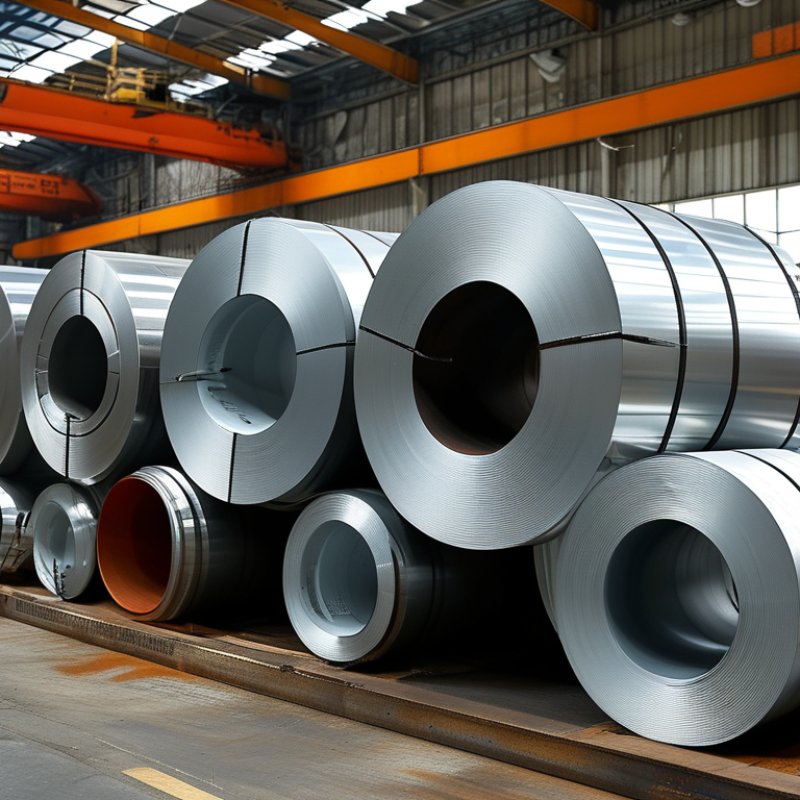
Stainless steel coils are essential materials in various industries. They are widely recognized for their excellent corrosion resistance and durability. According to industry reports, over 70% of stainless steel production is in the form of coils. These coils are versatile and can be transformed into various products.
The properties of stainless steel coils make them ideal for applications in automotive and construction sectors. The average thickness of these coils ranges from 0.3 mm to 6 mm, depending on the intended use. Additionally, they are not only lightweight but also maintain structural integrity under pressure. This unique combination of strength and adaptability attracts manufacturers.
While the benefits are clear, there are challenges in using stainless steel coils. The high cost of raw materials can impact production budgets. Furthermore, the recycling process can be complex, as different grades of stainless steel require specific handling. This can lead to inefficiencies. Understanding these nuances is crucial for anyone looking to utilize stainless steel coils effectively.
Key Differences Between Stainless Steel Plates and Coils
When exploring the differences between stainless steel plates and coils, it's important to understand their unique characteristics. Stainless steel plates are flat, thick pieces of metal, often used for structural applications. They typically range from 1/16 inch to several inches in thickness. In contrast, stainless steel coils are thinner and rolled into cylindrical shapes for easier handling and transport. They are frequently utilized in industries like automotive and construction.
The manufacturing process also varies for these two forms. Plates are cut and processed from larger slabs. They require specific methods to achieve desired dimensions. Coils, on the other hand, undergo continuous rolling and are often produced in longer lengths. This continuous process can lead to cost savings and reduced waste. Both forms have their own sets of advantages. Plates provide strength, while coils offer flexibility in production.
It’s crucial to assess your project’s needs when deciding between the two. Are you looking for strong, durable pieces? Plates might be the answer. If you need versatile, lighter forms, then coils may suit you better. Consider factors like thickness, intended use, and ease of transport. Sometimes, it may be necessary to reevaluate selections based on these considerations. The choice between plates and coils can impact overall project success.
Understanding the Difference Between Stainless Steel Plate and Coil
| Dimension |
Stainless Steel Plate |
Stainless Steel Coil |
| Thickness |
0.2 mm - 300 mm |
0.2 mm - 12 mm |
| Width |
Up to 3000 mm |
Up to 2000 mm |
| Length |
Up to 12000 mm |
Coiled (length varies) |
| Form |
Flat and rigid |
Flexible and rolled |
| Common Applications |
Construction, tanks, and heavy machinery |
Manufacturing, automotive, and appliances |
| Cost |
Generally higher due to thickness |
Generally lower due to lower metal usage |
Factors to Consider When Choosing Between Plate and Coil
When selecting between stainless steel plate and coil, several factors come into play. Thickness is a primary consideration. Plates typically range from 3mm to over 100mm, making them ideal for heavy-duty applications. Coils, on the other hand, often have a thickness of less than 3mm, suited for thin-walled requirements. Understanding these dimensions aids in determining the material’s application, from structural components to decorative elements.
The form factor also influences manufacturing capabilities. Plates are easier to cut and weld into specific shapes. This is crucial for industries requiring customized parts. Coils are more flexible, allowing for continuous processing. This flexibility can enhance production efficiency and reduce waste. According to a recent industry report, the demand for stainless steel coil is projected to grow by 4% annually, driven by its use in automotive and consumer goods.
Cost factors cannot be overlooked. Generally, plates may have a higher initial cost due to their thickness and processing needs. However, the overall lifecycle cost can vary based on application and maintenance requirements. A thorough cost-benefit analysis is vital. This will ensure that the chosen material aligns with project budgets and specifications. Conclusively, the choice is rarely straightforward and often requires thoughtful consideration of various elements.
FAQS
: They are strong, corrosion-resistant, and durable, making them useful in various industries.
They are popular in construction, automotive, and food processing sectors due to their reliability.
Initial costs can deter projects, impacting budget decisions for potential users.
They resist rust and pitting, crucial for maintaining sanitary conditions in food processing.
Delayed lead times and varying quality standards can create confusion and inefficiencies.
Thickness usually ranges from 0.3 mm to 6 mm, depending on the specific application.
Their lightweight nature and structural integrity under pressure attract manufacturers in various sectors.
Different grades require specific handling, complicating the recycling process and causing inefficiencies.
The thickness and type of finish are critical factors that may impact their overall performance.
Specifications can differ widely, leading to confusion if proper quality control is not established.
Conclusion
The article titled "Understanding the Difference Between Stainless Steel Plate and Coil" explores the fundamental aspects of stainless steel, including its properties and applications. Stainless steel is known for its durability, corrosion resistance, and versatility, making it a popular choice in various industries. The article delves into stainless steel plates, highlighting their features such as thickness and surface finish, and their common applications in construction and manufacturing. In contrast, it examines stainless steel coils, which are characterized by their rolled form and flexibility, catering to different uses like automotive and appliance production.
A key focus of the article is to answer the question: what is the difference between stainless steel plate and coil? The differences lie primarily in their physical forms and applications; plates are thicker and utilized in structural applications, while coils are thinner and used for varied manufacturing processes. The article also emphasizes important factors to consider when selecting between these two forms, helping readers make informed choices based on their specific needs.

 TEDDI STEEL