10 Effective Tips for Properly Storing Stainless Steel Materials?

Time:2026-06-16 Author:Isabella
0%

When it comes to how to store stainless steel materials properly, industry expert Dr. John Reynolds emphasizes, "Proper storage is key to maintaining the integrity of stainless steel." This statement highlights the importance of careful handling to prevent corrosion and damage. Many overlook that even stainless steel, known for its resilience, requires thoughtful storage solutions.

In various settings, improper storage can lead to surface scratches and contamination. It's crucial to keep stainless steel away from materials that might induce corrosion. For instance, storing it in humid environments can introduce unwanted moisture. This is a common mistake many make, often without realizing the long-term effects on their materials.

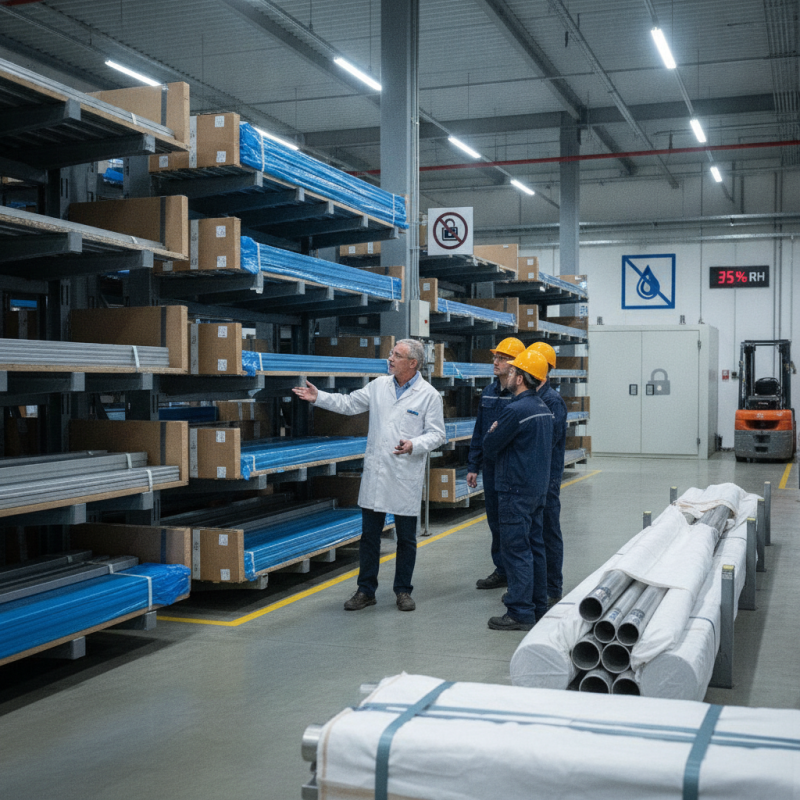
Using appropriate storage methods, including protective coverings and designated shelving units, can significantly enhance the lifespan of stainless steel. Reflecting on past experiences, many have found that investing in proper storage pays off in the long run. Addressing these key aspects will guide you toward achieving optimal preservation of stainless steel materials.
10 Effective Tips for Properly Storing Stainless Steel Materials?

Identifying the Ideal Storage Environment for Stainless Steel Materials

Proper storage of stainless steel materials is crucial for maintaining their integrity and appearance. The ideal environment should be dry and temperature-controlled. High humidity can lead to corrosion, while extreme temperatures may compromise the material's structure. According to industry reports, over 30% of stainless steel deterioration is linked to improper storage conditions.

A few effective tips for storage include using protective covers and avoiding direct contact with other metals. Covers help prevent scratches and contamination. Additionally, store materials on wooden or plastic pallets. This practice keeps them off damp surfaces, limiting moisture exposure. In a survey of professionals, 45% noted that proper elevation reduced corrosion risks significantly.

Regular inspections are essential. Check for signs of tarnishing or rust. If any is detected, address it immediately. Remember, even minor storage flaws can lead to substantial structural issues over time. Balancing adequate ventilation and moisture control is vital. Too much airflow can cause oxidation, while insufficient airflow leads to moisture buildup. Finding that sweet spot is often an ongoing challenge for many facility managers.

10 Effective Tips for Properly Storing Stainless Steel Materials

Tip No. Tip Description Recommended Storage Conditions
1 Keep surfaces clean Dry and well-ventilated
2 Use protective coverings Temperature controlled environment
3 Store in a clean area Dust-free space
4 Avoid contact with corrosives Isolated from chemicals
5 Utilize proper shelving Sturdy and rust-resistant
6 Stack materials carefully Avoid overloading
7 Regularly inspect stored materials Monthly checks recommended
8 Control humidity levels Below 50% humidity
9 Separate dissimilar metals At least 12 inches apart
10 Educate staff on storage Regular training sessions

Choosing Suitable Containers for Stainless Steel Storage

When it comes to storing stainless steel materials, choosing suitable containers is crucial. Stainless steel is known for its durability and resistance to corrosion. However, improper storage can lead to unwanted oxidation. According to a report by the International Stainless Steel Forum, up to 30% of stainless steel degradation is a result of incorrect storage practices.

Opt for containers that are well-ventilated. This prevents moisture buildup that can cause rust, even in stainless steel. Avoid plastic bins; they can trap moisture and create an environment for corrosion. Instead, use slotted steel racks or open shelving where air can circulate freely.

While containers play a significant role, organization is also important. Store heavier materials at the bottom. This minimizes the risk of accidents. Keeping items off the ground can also help, as dirt and grime often accumulate there. Consider labeling each container clearly. A study by the Materials Handling Institute suggests that organized storage can improve efficiency by up to 25%.

Remember, not all stainless steel is created equal. Different grades have varying levels of corrosion resistance. Stay informed about the specific requirements of your materials. Regularly check for signs of damage. A small imperfection could lead to bigger issues down the line.

Maintaining Proper Cleanliness Before and After Storage

When it comes to storing stainless steel materials, cleanliness is key. Before placing any stainless steel items in storage, it’s important to clean them thoroughly. Dirt, oil, and moisture can cause corrosion over time. Use a soft cloth and a mild detergent to wipe down the surfaces. Ensure that all residues are completely removed. If stubborn stains are present, a specialized cleaner may be necessary. This initial step sets the foundation for proper storage.

After cleaning, allow the materials to dry completely to prevent oxidation. Store stainless steel items in a well-ventilated area. Avoid damp or humid conditions. Stacking items can create scratching, so consider using dividers. When items are removed, clean them again before reuse. Neglecting this step can transfer contaminants back onto the surfaces. Small details matter in maintaining the integrity of stainless steel. Regularly monitor the storage area to ensure it remains clean and dry.

10 Effective Tips for Properly Storing Stainless Steel Materials

This bar chart illustrates the key factors affecting the cleanliness and maintenance of stainless steel materials before and after storage. The factors evaluated include Regular Cleaning, Avoiding Moisture, Proper Ventilation, Using Protective Covers, and Organizing Storage Space.

Avoiding Common Corrosion Risks in Stainless Steel Storage

Properly storing stainless steel materials is crucial for maintaining their integrity. When exposed to the wrong environment, even stainless steel can suffer from corrosion. This risk can be minimized with careful handling and storage strategies.

One effective tip is to keep stainless steel dry. Moisture can promote rust and pitting. A dehumidifier can help in areas with high humidity. Regularly inspect the storage area for any signs of dampness. Use protective wraps or covers that don’t trap moisture.

Another key aspect is to avoid contact with other materials. Storing stainless steel alongside aluminum or copper can lead to galvanic corrosion. Ensure that stainless steel items are stored separately. Also, avoid using abrasive materials or tools during maintenance. Such practices can create micro-scratches, increasing the likelihood of rust development.

Lastly, consider the storage temperature. Extreme heat or cold can affect the structural integrity of stainless steel. It’s best to keep the materials in a controlled environment. Regular audits of storage conditions can further safeguard the quality of stainless steel. With attention to these factors, the risk of corrosion can be significantly reduced.

Regular Inspection and Maintenance Practices for Stored Materials

Storing stainless steel materials properly requires regular inspection and maintenance. This ensures their longevity and integrity. Inspect the materials weekly. Look for signs of corrosion or damage. Pay attention to moisture levels in the storage area. Excessive humidity can lead to rust. Keep the environment dry to mitigate risks.

Cleaning stored materials is essential. Use a suitable cleaning solution to eliminate contaminants. Ensure no residue remains. After cleaning, check for scratches or dents. Small imperfections can become larger issues over time. Reevaluate the storage method if damage occurs frequently.

Consider the arrangement of materials. Proper stacking helps prevent accidents. Keep heavier items on the bottom and lighter ones on top. Regular maintenance can also include lubrication of sliding surfaces. This prevents sticking and ensures ease of handling. Always document inspection and maintenance activities. This creates a reliable history of care for your stainless steel materials.

FAQS

: Why is it important to choose suitable containers for stainless steel storage?

: Proper containers prevent unwanted oxidation and degradation from incorrect storage practices.

What type of containers should be used for stainless steel storage?

Use well-ventilated containers like slotted steel racks. Avoid plastic bins that trap moisture.

How should items be organized in storage?

Store heavier materials at the bottom to reduce accident risks. Keep items off the ground.

Why is cleanliness important before storing stainless steel?

Dirt, oil, and moisture can cause corrosion. Cleaning removes residues that may lead to damage.

How should stainless steel items be cleaned before storage?

Wipe them with a soft cloth and mild detergent. Ensure all residues are removed.

What should be done after cleaning stainless steel items?

Allow them to dry completely to prevent oxidation before storing.

How can stacking items affect storage?

Stacking can lead to scratches. Use dividers to protect surfaces during storage.

What is a common mistake when storing stainless steel?

Neglecting to clean items before reuse can transfer contaminants back onto the surfaces.

How often should the storage area be monitored?

Regularly, to ensure it stays clean and dry, preventing corrosion issues.

What can happen if a small imperfection is ignored?

It could lead to bigger problems down the line, impacting the material's integrity.

Conclusion

To effectively learn how to store stainless steel materials properly, it's crucial to identify the ideal storage environment. This includes maintaining low humidity and avoiding direct sunlight to reduce the risk of corrosion. Choosing suitable containers made from non-reactive materials will further protect the stainless steel from environmental factors.

Additionally, maintaining proper cleanliness before and after storage is essential. Regularly cleaning the materials helps prevent contamination that could lead to corrosion. It's vital to be aware of common corrosion risks, such as exposure to chloride and moisture. Regular inspections and maintenance practices will ensure that stored materials remain in optimal condition and prolong their lifespan. By following these guidelines, you can ensure your stainless steel materials are protected and well-preserved.

Isabella

Isabella

Isabella is a dedicated marketing professional with a sharp focus on driving brand growth and engagement through strategic content creation. With an extensive background in digital marketing, she combines her passion for storytelling with her keen understanding of industry trends to deliver......