How to Evaluate the Quality of Stainless Steel Materials?

Time:2026-05-25 Author:Isabella
0%

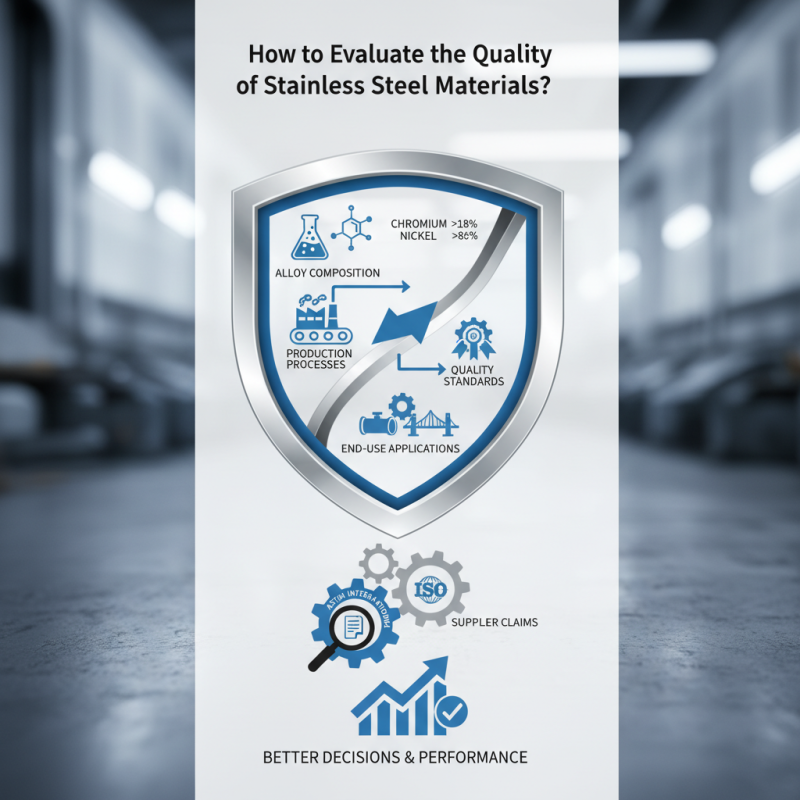
Understanding how to evaluate the quality of stainless steel materials is crucial for manufacturers and engineers. Stainless steel is vital in diverse industries, accounting for nearly 70% of the global demand for corrosion-resistant materials. Experts emphasize that not all stainless steel is created equal. The quality hinges on several factors, including alloy composition, production processes, and end-use applications.

Quality standards play a significant role in ensuring proper material selection. According to the International Stainless Steel Forum, the performance of stainless steel is linked to its chromium and nickel contents. For example, austenitic stainless steels typically contain over 18% chromium and 8% nickel, which improves corrosion resistance. However, lower-quality steels might not meet these benchmarks, leading to potential failures in critical applications.

Evaluating standards and certifications is essential. Organizations like ASTM International provide guidelines that help in assessing quality. However, the challenge is that many products might not disclose full compositions, which raises concerns about reliability. Thus, a critical eye must be kept on certifications and supplier claims. Knowing how to evaluate the quality of stainless steel materials enables better decision-making and enhances product performance.
How to Evaluate the Quality of Stainless Steel Materials?

Types of Stainless Steel and Their Applications

Stainless steel is popular due to its durability and resistance to corrosion. Different types serve various industries. The most common types include austenitic, ferritic, and martensitic stainless steels. Each type has unique properties and applications.

Austenitic stainless steel is non-magnetic and contains high levels of nickel and chromium. This makes it ideal for kitchen equipment, chemical tanks, and piping systems. Ferritic stainless steel, on the other hand, is magnetic and has lower nickel content. It is often used in automotive parts and kitchen sinks. Martensitic stainless steel is known for its high strength and ability to be hardened. It's used in applications like cutlery and surgical instruments but can be brittle if not properly treated.

Choosing the right type requires understanding the specific needs of your project. Factors like exposure to chemicals and temperature variations play a role in your decision. Misjudging these aspects may lead to material failure, affecting the project’s integrity. Thus, always reflect on your choices and seek expert advice when necessary. Quality evaluation starts with knowing your stainless steel options.

Key Characteristics of High-Quality Stainless Steel

When evaluating stainless steel materials, key characteristics distinguish high-quality options from inferior ones. One of the most significant factors is corrosion resistance. According to a report by the International Stainless Steel Forum, austenitic stainless steels, such as 304 and 316 grades, show superior corrosion resistance due to their high chromium and nickel content. This resistance is essential for applications in harsh environments, like marine or chemical settings. Poor corrosion resistance can lead to costly failures and safety risks.

Another vital characteristic is tensile strength. The American Society for Metals indicates that high-quality stainless steel should have a tensile strength of at least 505 MPa for common grades. This property ensures the material can withstand significant stress during operation. However, achieving the right balance between strength and ductility remains a challenge. Overly strong grades can become brittle and prone to cracking. Evaluating specific mechanical properties is critical in this regard.

Surface finish also plays a crucial role in quality assessment. A smooth, polished surface can enhance both aesthetic appeal and functionality. It reduces the accumulation of contaminants and improves resistance to corrosion. Yet, achieving a flawless finish consistently proves difficult. Imperfections can arise during manufacturing, which might affect performance in hostile conditions. Thorough inspection processes are necessary to catch these inconsistencies.

Evaluation of Stainless Steel Quality

This chart compares different key characteristics of stainless steel materials, assessing their quality based on corrosion resistance, tensile strength, hardness, and weldability.

Methods for Testing and Assessing Stainless Steel Quality

Evaluating the quality of stainless steel involves various testing methods that highlight its properties. One common approach is the tensile strength test. This method measures how much force the material can withstand before it breaks. It's essential for ensuring the steel can handle high-stress applications.


Another effective technique is the corrosion resistance test. Stainless steel should resist rust and degradation in diverse environments. A simple salt spray test can be used for this purpose. Exposing the steel to saltwater helps identify its durability. Just remember, some grades perform better than others.


Additionally, a surface analysis can reveal imperfections. Techniques like x-ray fluorescence (XRF) provide a detailed composition breakdown. It helps in understanding the alloying elements present in the steel. Sometimes, the results may raise questions about quality assurance processes. Reflecting on these factors can help improve future assessments. Accurate testing and analysis will enhance reliability in stainless steel applications.

Common Standards and Certifications for Stainless Steel

When evaluating stainless steel materials, certifications and standards play a vital role. Various organizations establish guidelines to ensure the quality and performance of stainless steel. For instance, the ASTM and ISO standards are widely recognized. ASTM A240 specifies the requirements for heat-resistant stainless steel sheet and plate, while ISO 6920 concerns the quality of stainless steel products intended for contact with food.

To assess the quality accurately, one must examine the compliance with these standards. Many industrial reports indicate that a lack of compliance can lead to structural failures in construction projects. According to a 2022 industry report by the International Stainless Steel Forum, nearly 15% of stainless steel products tested did not meet specified standards. This statistic highlights the importance of valid certifications.

Moreover, organizations like the American Institute of Steel Construction emphasize the need for rigorous testing. Mechanical properties, corrosion resistance, and weldability are essential factors to consider. Yet, many manufacturers may overlook some of these tests due to cost constraints. This raises questions about the integrity of materials used in critical applications. Evaluating the quality of stainless steel demands not only adherence to standards but also a commitment to reliable sourcing and thorough testing practices.

Factors Affecting the Durability and Performance of Stainless Steel

When evaluating the quality of stainless steel materials, it is crucial to consider factors that impact their durability and performance. One major aspect is corrosion resistance. Stainless steel’s chromium content typically ranges from 10.5% to 30%, allowing it to form a protective layer. This is vital in harsh environments, such as marine and industrial settings. A report from the International Stainless Steel Forum indicated that approximately 60% of stainless steel applications benefit from this property.

Another important factor is the mechanical properties of the steel. Tensile strength, ductility, and hardness play significant roles in its suitability for different applications. For instance, a study published in the Journal of Materials Science noted that the tensile strength can vary considerably between different grades. Understanding these variations allows for informed decisions regarding material selection. Some projects may require the higher strength of grade 316, while others may find grade 304 sufficient.

Maintenance and care practices also affect stainless steel's longevity. Regular cleaning can prevent buildup and enhance performance over time. However, even with proper care, some steel can still develop pitting or rust. These imperfections are a reminder that no material is flawless. Evaluating these factors holistically helps in selecting the right stainless steel for specific needs.

How to Evaluate the Quality of Stainless Steel Materials? - Factors Affecting the Durability and Performance of Stainless Steel

Factor Description Impact on Quality Importance Level
Material Composition The mix of metals and elements in stainless steel. Determines corrosion resistance and strength. High
Manufacturing Process How the stainless steel is processed and finished. Affects surface quality and structural integrity. Medium
Surface Treatment Chemical or physical processes applied to the surface. Increases resistance to corrosion and wear. High
Heat Treatment Processes that alter the material's hardness and strength. Enhances mechanical properties. High
Environmental Factors Operating conditions like humidity and exposure to corrosive elements. Influences the rate of corrosion and degradation. Medium
Usage Conditions The environment in which the stainless steel is used. Can affect the longevity and performance. High

FAQS

: What is a key characteristic of high-quality stainless steel?

: Corrosion resistance is vital. Higher chromium and nickel content enhances durability in harsh environments.

How is tensile strength important for stainless steel?

It ensures stainless steel withstands stress. At least 505 MPa is ideal for common grades.

Why is surface finish significant?

A smooth surface improves aesthetics and functionality. Imperfections can reduce resistance to corrosion.

What method is commonly used to test tensile strength?

The tensile strength test measures how much force the material tolerates before breaking.

How do corrosion resistance tests work?

Salt spray tests expose stainless steel to saltwater, revealing its durability against rust.

What role do standards play in assessing stainless steel?

Standards ensure quality and performance. Compliance is critical to prevent structural failures.

What is a common issue with stainless steel quality?

Many products may not meet specified standards, with some reports indicating 15% non-compliance.

How do manufacturers affect stainless steel integrity?

Some overlook rigorous testing due to costs, raising concerns about material quality in critical applications.

What is the challenge in achieving high tensile strength?

Balancing strength and ductility is crucial. Overly strong materials may become brittle and crack.

What does surface analysis reveal about stainless steel?

It identifies imperfections. Techniques like XRF help understand the composition, but may raise quality questions.

Conclusion

When considering how to evaluate the quality of stainless steel materials, it is essential to understand the various types of stainless steel and their specific applications. Each type, from austenitic to martensitic, offers distinct properties suited for different environments. High-quality stainless steel is characterized by its resistance to corrosion, strength, and aesthetic appeal.

To assess the quality of stainless steel, various testing methods can be employed, including chemical composition analysis and mechanical property testing, which ensure that the material meets necessary standards. Furthermore, familiarity with common standards and certifications can guide buyers in selecting the right product. Lastly, recognizing the factors that affect durability and performance, such as alloy composition and environmental conditions, is critical in making an informed evaluation. Understanding these elements can significantly improve the decision-making process regarding stainless steel materials.

Isabella

Isabella

Isabella is a dedicated marketing professional with a sharp focus on driving brand growth and engagement through strategic content creation. With an extensive background in digital marketing, she combines her passion for storytelling with her keen understanding of industry trends to deliver......