Corrosion resistance in stainless steel is a critical aspect for various industries. Understanding what factors affect corrosion resistance in stainless steel can lead to better material choices. Stainless steel is not immune to corrosion. Its longevity greatly depends on several influential elements.
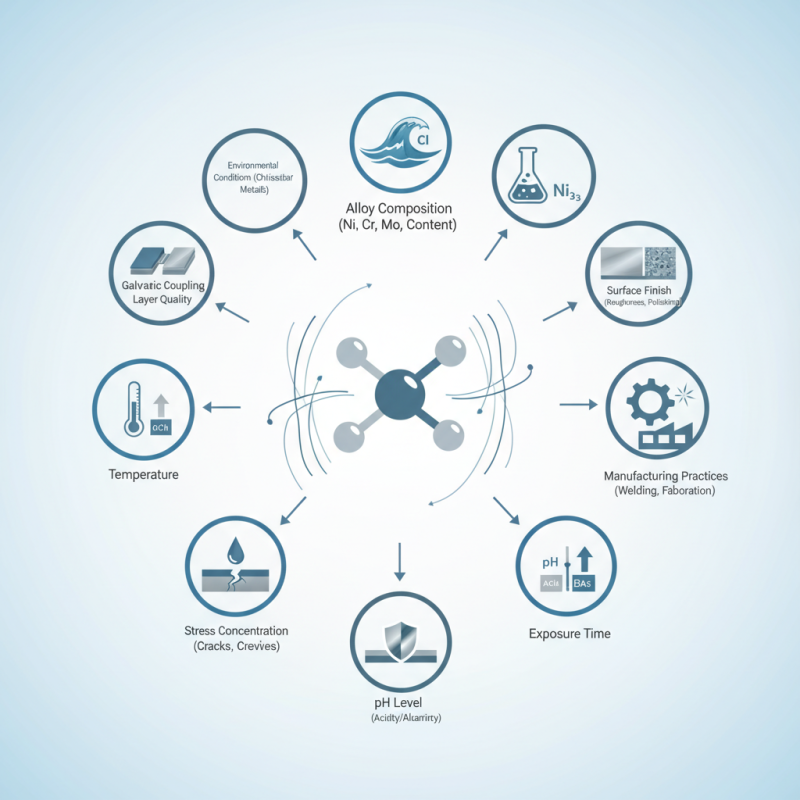
Key factors include environmental conditions, alloy composition, and surface finish. Chlorides can severely impact corrosion rates, especially in marine settings. Also, higher nickel and chromium contents often enhance resistance. However, not all stainless steels perform the same under every condition. The right choice requires consideration of specific applications and environments.
Moreover, manufacturing practices play a significant role. Improper welding techniques can lead to weak points. These areas are more prone to corrosion. Thus, even well-constructed stainless steel items may fail if not handled properly. In summary, understanding what factors affect corrosion resistance in stainless steel is essential for making informed decisions. Each factor presents unique challenges that require careful analysis.
Understanding Corrosion Resistance: An Overview of Stainless Steel
Corrosion resistance is a critical factor in the durability of stainless steel. Understanding how this resistance works can help in making informed choices. Stainless steel's resistance comes largely from its composition. The addition of chromium, for example, creates a thin layer of chromium oxide on the surface. This layer protects the metal from rusting. However, not all stainless steels have the same level of resistance.
Environmental factors play a significant role in corrosion. Exposure to chloride ions, for example, can be extremely damaging. Coastal areas and industrial environments often present higher risks. This environmental stress challenges even the most resistant alloys. Therefore, careful selection based on the application is necessary. Stress and mechanical damage can also compromise corrosion resistance, prompting manufacturers to consider these factors in their designs.
The manufacturing process affects the final product's performance. Variations in heat treatment and welding practices can indirectly influence resistance. Even small imperfections can open pathways for corrosion. Understanding these subtleties is essential for engineers and designers. They must assess not only the material but also the intended environment. Recognizing these factors leads to better long-term performance of stainless steel components.
Chemical Composition: How Alloy Elements Affect Corrosion Resistance
The corrosion resistance of stainless steel is largely dictated by its chemical composition. Key alloying elements such as chromium, nickel, and molybdenum play significant roles. Chromium, for instance, must constitute at least 10.5% of the alloy to form a protective oxide layer that inhibits rust. Studies indicate that increasing chromium content enhances resistance, but the benefits taper off beyond a certain threshold.
Nickel also contributes to corrosion resistance, improving the metal's toughness and ductility. This flexibility is essential in harsh environments. Research from industry groups shows that alloys with higher nickel content can withstand acidic conditions better. Molybdenum, often present in marine applications, elevates performance by resisting pitting in chloride environments.
However, it's worth noting that not all compositions yield a highly durable alloy. Excessive carbon can weaken the passivation layer, contrary to what many assume. Similarly, high iron content without proper alloying can lead to vulnerabilities. Understanding these nuances is crucial for selecting the right stainless steel for specific applications.
Environmental Factors: The Role of Exposure Conditions in Corrosion
Corrosion resistance in stainless steel is heavily influenced by environmental factors. The conditions to which stainless steel is exposed can significantly affect its longevity. For instance, high humidity levels often accelerate corrosion processes. A report from the International Corrosion Council notes that materials in coastal areas face increased risks due to salt-laden air.
Another critical factor is the presence of chemicals, particularly chlorides. Studies indicate that even a small concentration of chloride ions can lead to pitting corrosion. This type of corrosion is particularly insidious and can create localized weaknesses. Additionally, temperature fluctuations can exacerbate these conditions, leading to more rapid deterioration.
Understanding these environmental impacts is essential for choosing the right stainless steel for specific applications. Regular monitoring of exposure conditions can help in mitigating corrosion risks. However, many fail to account for changing environments over time. This oversight can lead to unexpected failures, underscoring the importance of diligent assessments and adaptive strategies in corrosion management.
Surface Treatment: Enhancements to Improve Stainless Steel Durability
Surface treatments play a crucial role in enhancing the corrosion resistance of stainless steel. These processes modify the surface properties of the steel, increasing its durability in harsh environments. According to the International Journal of Corrosion, surface treatments can improve corrosion resistance by up to 300%. Common methods include electroplating, passivation, and coating. Each method offers different benefits and challenges, making it essential to choose the right one for specific applications.
Electroplating provides a metallic finish that protects against corrosion. This technique can result in a more aesthetic appearance while enhancing durability. However, the thickness and quality of the plating are critical. Poorly applied electroplating can lead to premature failure. Passivation reduces the surface roughness, creating a protective oxide layer. This treatment increases resistance to oxidizing acids, yet it cannot completely eliminate corrosion risk over time.
Coatings such as polyurethane or epoxy can be employed to further shield stainless steel. They offer barrier protection, but they can be susceptible to physical damage. When choosing a surface treatment, it's vital to assess the environment and operational conditions. Each treatment has its limitations and requires regular maintenance and monitoring to remain effective. Balancing these factors will lead to improved performance and longevity of stainless steel products.
Top 10 Factors Influencing Corrosion Resistance in Stainless Steel
| Factor |
Description |
Impact Level (1-10) |
| Alloying Elements |
Addition of chromium and nickel increases resistance. |
9 |
| Surface Finish |
Polished surfaces have lower contamination and better corrosion resistance. |
8 |
| Passivation |
Chemical treatment that enhances the oxide layer on the surface. |
10 |
| Environmental Conditions |
High humidity and chloride exposure increase corrosion risk. |
7 |
| Temperature |
Higher temperatures can accelerate corrosion processes. |
6 |
| Thickness |
Thicker sections offer better resistance to corrosion. |
8 |
| Coatings |
Protective coatings can enhance resistance beyond the base material. |
9 |
| Welding Techniques |
Improper welding can create weak points and increase susceptibility. |
7 |
| Maintenance Practices |
Regular cleaning and inspections help maintain protective layers. |
8 |
| Chemical Exposure |
Certain chemicals can attack stainless steel, reducing its lifespan. |
9 |
Maintenance Practices: Strategies to Prevent Corrosion in Stainless Steel
Maintaining corrosion resistance in stainless steel requires effective strategies. Regular inspection is vital. Experts suggest checking for signs of pitting or crevice corrosion. These are common in environments with high chloride levels. Data from the National Association of Corrosion Engineers (NACE) indicates that over 30% of stainless steel failures occur due to inadequate maintenance.
Cleaning is equally crucial. Surfaces must be free of contaminants that can trap moisture. Using non-corrosive materials during maintenance reduces risks. The American Society for Testing and Materials (ASTM) highlights that simple cleaning can enhance the lifespan of stainless steel by up to 50%. Consider using specialized cleaners that prevent film formation.
Environmental factors also play a role. Humidity can accelerate corrosion. Proper drainage systems help mitigate water accumulation. Further, applying protective coatings can add an extra layer of defense. While these measures are effective, they require regular evaluation. Inconsistent practices can lead to unexpected failures, making it essential to adapt strategies based on specific conditions.
FAQS
: Corrosion resistance is the ability of stainless steel to withstand rust and deterioration.
Chromium creates a protective oxide layer that prevents rust. A minimum of 10.5% chromium is crucial.
No, different alloys have varying levels of resistance. Composition impacts durability significantly.
Chloride ions, coastal areas, and industrial environments can increase corrosion risks.
Variations in heat treatment and welding can create imperfections, making the steel more vulnerable.
Nickel increases toughness and ductility, helping stainless steel withstand harsh conditions.
Yes, excessive carbon can weaken the protective layer, leading to corrosion issues.
Molybdenum helps resist pitting, especially in chloride-rich marine environments.
They must assess material composition and its intended environment for better performance.
Yes, benefits taper off beyond a certain threshold, proving that balance is key.
Conclusion
Corrosion resistance in stainless steel is influenced by various factors that are crucial for its application in different environments. Understanding these factors helps to ensure the longevity and reliability of stainless steel structures. Key elements include the chemical composition of the alloy, where specific alloying elements can enhance or diminish corrosion resistance. Additionally, environmental conditions such as humidity, temperature, and exposure to chemicals play a significant role, as these can exacerbate or mitigate corrosion processes.
Surface treatment methods, such as passivation and coating, are vital for improving the durability of stainless steel by providing a protective barrier against corrosive agents. Furthermore, regular maintenance practices can significantly reduce the risk of corrosion by keeping surfaces clean and free from contaminants. Ultimately, addressing the question of what factors affect corrosion resistance in stainless steel is essential for selecting appropriate materials and implementing effective protective measures in various industrial applications.

 TEDDI STEEL