What Factors Influence Corrosion Resistance in Stainless Steel

Time:2026-07-28 Author:Ethan
0%

Corrosion resistance in stainless steel is a crucial topic in materials science. Understanding what factors affect corrosion resistance in stainless steel can help industries select the right materials for their applications. Various elements, such as chromium content and environmental factors, play significant roles in this context.

The microstructure of stainless steel influences its durability against corrosion. A higher chromium content typically enhances the passive layer, providing better resistance. However, this is not universally applicable. Certain environments can still lead to corrosion despite a high chromium level. pH levels and chloride presence are two environmental factors that can greatly impact corrosion resistance.

Furthermore, manufacturing processes and surface treatments can alter the final properties of stainless steel. These factors can either enhance or diminish corrosion resistance. It’s essential to evaluate specific conditions and requirements for each application. Through ongoing research and analysis, we continue to learn about the complexities of stainless steel corrosion resistance, underscoring the need for careful consideration in material selection.
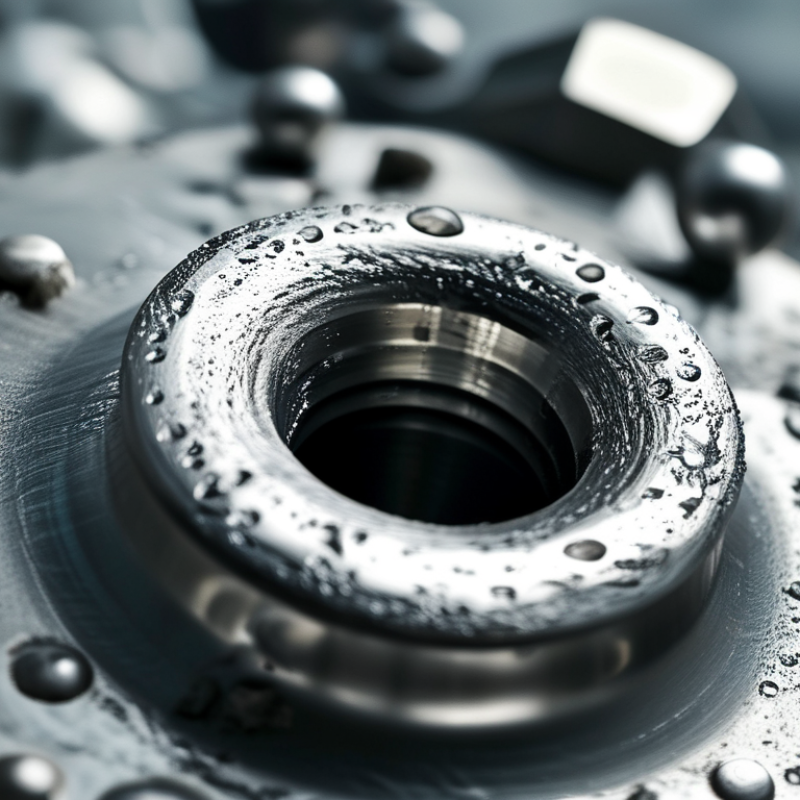
What Factors Influence Corrosion Resistance in Stainless Steel

Factors Affecting Corrosion Resistance in Stainless Steel Alloys

Corrosion resistance in stainless steel alloys is influenced by several key factors. One primary element is the composition of the alloy itself. Chromium content plays a crucial role. Typically, at least 10.5% chromium is needed for effective corrosion resistance. Additional elements like nickel and molybdenum also enhance this property, making the alloy more resilient against harsh conditions.

The environment where the stainless steel is used significantly impacts its performance. Exposure to chlorides, for example, can lead to pitting corrosion. This type of damage can be hard to detect until it progresses. Temperature and humidity levels are also variables that cannot be ignored. In coastal areas, higher humidity combined with saltwater can accelerate corrosion.

Surface finish is another factor that often gets overlooked. A polished surface tends to resist corrosion better than rough finishes. Poorly finished surfaces can harbor contaminants that lead to corrosion. Regular maintenance and inspections are vital, yet companies often overlook this necessity. Understanding these factors can help in making informed choices regarding stainless steel applications.

Influence of Alloy Composition on Corrosion Resistance

The alloy composition plays a crucial role in determining the corrosion resistance of stainless steel. Key elements like chromium, nickel, and molybdenum are essential. Chromium creates a protective oxide layer on the steel surface. This layer defends against corrosive elements found in environments such as saltwater. Nickel enhances the toughness and ductility of stainless steel, giving it broader applications.

Molybdenum significantly improves resistance to pitting corrosion, especially in chloride-rich settings. A higher molybdenum content typically leads to better performance in harsh environments. Different combinations of these elements result in various grades of stainless steel, each suitable for specific applications.

However, achieving the right balance can be challenging. Too much chromium may increase brittleness, while insufficient nickel could reduce ductility. Designers and engineers must carefully consider alloy compositions to optimize the performance of stainless steel. Each choice carries potential drawbacks. Understanding these nuances is vital in applications ranging from construction to medical devices. Proper material selection can significantly impact long-term durability and safety.

Role of Surface Finish in Corrosion Resistance

The surface finish of stainless steel plays a crucial role in its corrosion resistance. A smooth, polished surface can significantly reduce the chances of corrosion by minimizing the accumulation of harmful particles. Rough or uneven surfaces, however, can trap moisture and contaminants, speeding up corrosion processes. Different types of finishes, like brushed or mirrored, exhibit varying degrees of susceptibility to corrosion.

Factors such as surface roughness and the presence of coatings also affect performance. For instance, a finely polished finish can resist pitting, while a rough surface may allow aggressive agents to penetrate more deeply. It’s essential to consider the environment where the stainless steel will be used. In coastal areas, even a minor imperfection can lead to increased corrosion rates due to salt exposure.

Surface treatments, including passivation, can enhance corrosion resistance, but if not applied correctly, they may lead to inconsistencies. The choice of finish also impacts aesthetics, which might clash with functional requirements. These aspects highlight the complexities involved in ensuring optimal corrosion resistance in stainless steel applications.

What Factors Influence Corrosion Resistance in Stainless Steel - Role of Surface Finish in Corrosion Resistance

Surface Finish Type Roughness (Ra) Corrosion Rate (mm/year) Environment Type Passivation Quality
Mirror Finish 0.1 µm 0.01 Neutral High
Brushed Finish 0.5 µm 0.05 Acidic Medium
Matte Finish 1.0 µm 0.1 Chloride-rich Low
Electropolished Finish 0.2 µm 0.008 Neutral Very High
Shot Peened Finish 0.3 µm 0.03 Basic Medium

Impact of Environmental Conditions on Corrosion Behavior

Environmental conditions play a critical role in the corrosion behavior of stainless steel. Factors such as humidity, temperature, and exposure to chemicals can significantly influence corrosion resistance. High humidity levels can lead to the formation of moisture on stainless steel, which may trigger localized corrosion. Similarly, elevated temperatures can accelerate the corrosion process by increasing the rate of electrochemical reactions.

Chemical exposure is also a crucial consideration. For instance, chlorides present in coastal environments can attack the protective oxide layer of stainless steel. When this layer is compromised, it can lead to pitting corrosion. In urban settings, pollutants can deposit on stainless surfaces, creating a corrosive environment that promotes deterioration over time. Understanding these environmental impacts helps in selecting the right grade of stainless steel for specific applications.

It's essential to consider that not all stainless steel grades are created equal. While some offer enhanced resistance in certain environments, they may lack performance in others. Reflecting on materials used in various settings unveils the importance of context in corrosion performance. Assessing environmental conditions carefully can mitigate risks and prolong the lifespan of stainless steel components.

Effect of Heat Treatment on Corrosion Properties and Performance

Heat treatment plays a crucial role in enhancing the corrosion resistance of stainless steel. This process involves heating the metal to a specific temperature and then cooling it rapidly or slowly. According to a study published in the Journal of Materials Science, proper heat treatment can improve corrosion resistance by up to 50%. This happens through changes in the microstructure, such as the transformation of austenite to martensite.

Another report from the Corrosion Engineering Journal highlights that the cooling rate post-heat treatment also significantly impacts corrosion properties. For instance, faster cooling rates can lead to a finer grain structure, which helps to resist pitting corrosion. Conversely, insufficient cooling can result in coarse grains, making the steel more susceptible to corrosion attacks.

While heat treatment generally enhances performance, not all methods are ideal. Some techniques may introduce residual stresses or brittle phases that compromise mechanical properties. These factors need consideration. Testing and quality assurance during heat treatment are essential to ensure optimal outcomes. Missteps can lead to unexpected vulnerabilities under corrosive environments, highlighting the need for precision in the treatment process.

FAQS

: What affects corrosion resistance in stainless steel alloys?

: Key factors include alloy composition, environmental conditions, surface finish, and maintenance practices.

How important is chromium for corrosion resistance?

Chromium content must be at least 10.5% to ensure effective corrosion resistance in stainless steel.

What environmental factors influence corrosion?

Humidity, temperature, and exposure to chlorides significantly impact the corrosion resistance of stainless steel.

Why does surface finish matter?

A smooth, polished surface reduces corrosion risk by minimizing harmful particle accumulation. Rough finishes trap moisture.

Can heat treatment improve corrosion resistance?

Yes, heat treatment can enhance resistance by changing the metal's microstructure, improving performance up to 50%.

What is the effect of cooling rate in heat treatment?

Faster cooling rates lead to finer grain structures, which help resist pitting corrosion effectively.

Are all heat treatment methods effective?

No, some methods can introduce residual stresses that compromise the steel's mechanical properties and resistance.

How does location impact stainless steel performance?

Coastal areas create conditions with higher salt exposure and humidity, increasing the risk of corrosion.

What happens with poorly maintained stainless steel?

Regular inspections and maintenance can prevent corrosion; neglect may lead to severe damage over time.

Can imperfections in the surface lead to higher corrosion rates?

Yes, minor imperfections can be significant, especially in aggressive environments like coastal areas.

Conclusion

Understanding what factors affect corrosion resistance in stainless steel is crucial for selecting the right alloy for various applications. Key elements influencing corrosion resistance include the alloy composition, where the presence of elements like chromium and nickel enhances protective oxide layers. Additionally, the surface finish of the stainless steel plays a significant role; smoother surfaces tend to resist corrosion better due to fewer sites for corrosive agents to initiate damage.

Environmental conditions also greatly impact the corrosion behavior of stainless steel, as factors like humidity, temperature, and exposure to aggressive chemicals can accelerate corrosion processes. Moreover, heat treatment can modify the microstructure of the alloy, further affecting its corrosion properties and overall performance. By considering these factors, industries can make informed decisions to improve the longevity and reliability of stainless steel components in harsh environments.

Ethan

Ethan

Ethan is a seasoned marketing professional with a deep expertise in our company's innovative product line. With a passion for sharing knowledge and insights, he takes the lead in regularly updating our corporate blog, where he explores industry trends, product features, and effective marketing......