The distinction between hot rolled and cold rolled stainless steel is crucial in manufacturing. Experts in the field frequently address this topic to clarify misconceptions. John Smith, a noted metallurgist, states, "The method of rolling affects the material's properties significantly." His insight emphasizes the importance of understanding the details.
Hot rolled stainless steel is produced at high temperatures, which makes it easier to shape and form. This method often results in a rough surface finish and variations in thickness. In contrast, cold rolled stainless steel undergoes processing at room temperature. It delivers smoother surfaces and tighter tolerances. This difference impacts their final applications in various industries.
When considering the question, "what is the difference between hot rolled and cold rolled stainless steel," it's essential to reflect on how these properties align with project needs. Practical applications vary, and what works in one situation may not in another. Understanding these nuances can lead to smarter choices in material selection for specific purposes. The complexities of steel processing require careful thought and expert knowledge.
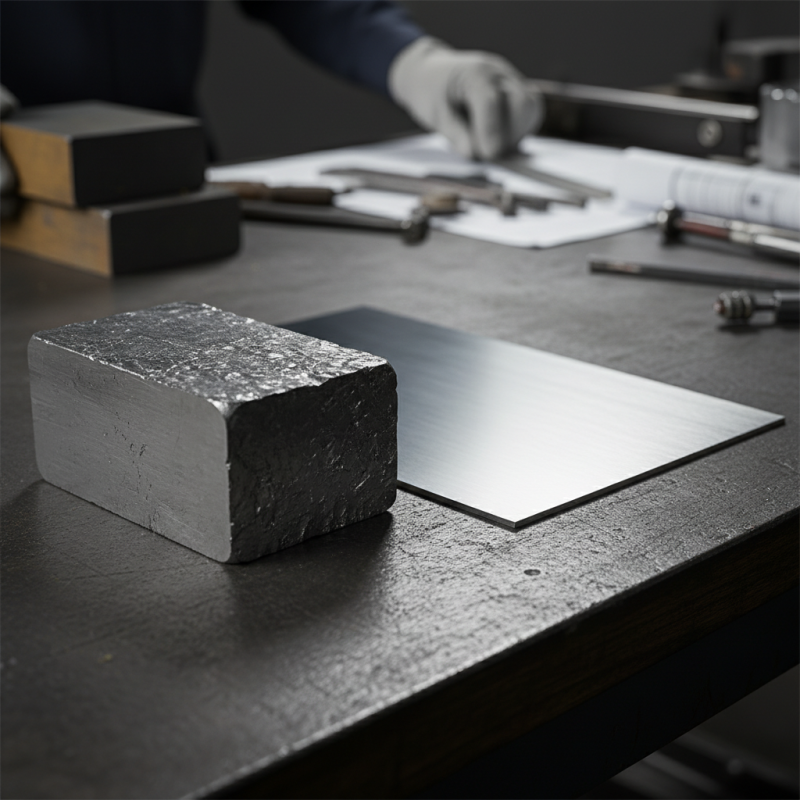
Hot rolled and cold rolled stainless steel differ significantly in their manufacturing processes. Hot rolling involves heating the metal above its recrystallization temperature. This allows for easier shaping and decreases the amount of energy required. The process results in a rougher surface finish and dimensions that are not as precise. Many manufacturers favor hot rolling for structural applications where the finish is less critical.
Cold rolling, on the other hand, occurs at or near room temperature. This results in a smoother surface and tighter tolerances. The cooling process leads to work hardening, which enhances the strength of the material. Cold rolled stainless steel is often used in applications demanding high precision and aesthetic finishes.
However, the choice between hot and cold rolled stainless steel is not always straightforward. Some products might benefit from the rough nature of hot rolling, while others require the refined quality of cold rolling. Understanding these differences can lead to better material selection tailored to specific needs.
This chart illustrates the differences in key mechanical properties and surface finish scores between hot rolled and cold rolled stainless steel. Hot rolled stainless steel typically has lower yield and tensile strengths compared to cold rolled, but exhibits higher ductility. Cold rolled stainless steel, however, offers a superior surface finish and higher strength overall.
Hot rolled and cold rolled stainless steel differ significantly in their mechanical properties. Hot rolled steel is processed at high temperatures. This results in a more malleable product. It usually has lower strength compared to cold rolled varieties. However, it offers better ductility. This can be beneficial in applications requiring bending or shaping.
Cold rolled stainless steel undergoes processing at room temperature. This method enhances its strength and hardness. The resulting material has a smoother surface finish. This finish can reduce friction in certain applications. Overall, cold rolled steel is more suited for structural applications requiring increased strength and durability.
**Tip:** When selecting stainless steel, consider the specific needs of your project. If you prioritize flexibility, hot rolled might be better. For projects needing strength, cold rolled is the way to go.
Be mindful of the conditions. Each type has unique properties that impact performance. Understanding these differences saves time and resources in the long run. Evaluating your project requirements will guide your choice effectively.
| Property | Hot Rolled Stainless Steel | Cold Rolled Stainless Steel |
|---|---|---|
| Yield Strength (MPa) | 250 - 350 | 450 - 600 |
| Ultimate Tensile Strength (MPa) | 450 - 550 | 600 - 750 |
| Ductility (%) | 30 - 40 | 40 - 50 |
| Hardness (Brinell) | 150 - 200 | 200 - 250 |
| Thickness Range (mm) | 3 - 80 | 0.5 - 6 |
| Surface Finish | Rough | Smooth |
Hot rolled and cold rolled stainless steel serve distinct purposes in various industries.
Hot rolled stainless steel is produced at high temperatures, which allows for more malleability. This method results in a rougher surface finish.
Common applications include large structural components and industrial machinery. Its lower cost and faster production time make it a popular choice, particularly in construction.
On the other hand, cold rolled stainless steel undergoes processing at room temperature, leading to tighter tolerances and a smoother finish.
It is often used in applications requiring enhanced durability and aesthetic appeal, such as automotive parts and kitchen equipment. According to industry data,
cold rolled steel can have a tensile strength increase of up to 20% compared to its hot rolled counterpart. However, its higher cost may limit its application in budget-sensitive situations.
Despite these advantages, both types have limitations. Hot rolled steel may have residual stresses, which could lead to warping when machined.
Cold rolled steel, while stronger, can be more prone to corrosion if not properly treated. Careful selection based on application requirements is essential for optimal performance.
Hot rolled and cold rolled stainless steel differ in their production processes, affecting costs. Hot rolling occurs at high temperatures, which reduces costs due to lower energy requirements. This method often results in larger defects and a less refined surface. Reports from the World Steel Association indicate that hot rolled steel can cost up to 10% less than cold rolled options, making it appealing for bulk production.
Cold rolled stainless steel offers tighter tolerances and improved surface finish. However, this process requires more energy and time. According to the Steel Market Update, cold rolled steel prices can be 20% higher than their hot rolled counterparts. This increase is partially due to the additional processing steps involved. Market demand and shipping costs can also sway prices significantly.
Economic factors, such as raw material costs and global supply chain dynamics, play crucial roles. Recent trends show that nickel prices, a key component of stainless steel, fluctuate significantly. These fluctuations directly impact both hot and cold rolled steel prices. Producers must adapt to these changes fast, reflecting the volatile nature of the market.
When comparing hot rolled and cold rolled stainless steel, surface finish plays a significant role. Hot rolled products typically have a rough, scale-covered surface. This unique finish results from the high temperatures used in the rolling process. Additionally, the finish can affect the material's overall aesthetic appeal. Many designers prefer the raw, industrial look of hot rolled steel for certain applications, especially in furniture and architectural design.
In contrast, cold rolled stainless steel boasts a smooth and shiny surface. This outcome is achieved through a process that involves further cold working after the initial rolling. The result is a more polished appearance, which is often preferred for kitchen appliances and decorative elements. However, cold rolled products can be more susceptible to surface scratches and blemishes. This imperfection may require additional care during installation and maintenance.
Both types of stainless steel have their unique qualities. Designers and engineers often face challenges in selecting the right type for specific projects. Sometimes, the end use dictates which finish is most appropriate. Ultimately, understanding the visual and functional aspects of each finish is crucial for making informed decisions.
: Hot rolled steel is processed at high temperatures, resulting in a rough surface. Cold rolled steel has a smooth finish but requires more energy and time.
Hot rolling lowers energy costs and reduces processing steps, making it up to 10% less expensive than cold rolled steel.
Hot rolled steel features a rough, industrial look, while cold rolled steel has a shiny, polished surface that is more aesthetically appealing.
Cold rolled steel is more prone to scratches and blemishes, requiring careful handling during installation and maintenance.
Raw material costs, especially nickel, and global supply chain dynamics significantly affect the pricing of both hot and cold rolled steel.
Its raw, industrial appearance fits well in furniture design and architectural applications, adding character to the final product.
They must weigh aesthetic preferences against functional requirements, which can be complicated depending on the project’s needs.
It's vital for making informed decisions, as the finish can impact both the appearance and practicality of the final product.
The article "Why is Hot Rolled Different from Cold Rolled Stainless Steel?" explores the fundamental differences between these two manufacturing processes. It delves into the specific manufacturing techniques utilized in hot and cold rolling, highlighting how these processes affect mechanical properties such as strength, ductility, and hardness. Additionally, the article compares the applications and suitability of both types of stainless steel, discussing where each is best utilized based on their unique properties.
Furthermore, a cost analysis is provided, shedding light on the economic factors that impact the prices of hot and cold rolled steel. The surface finish and aesthetic qualities of the final products are also examined, illustrating how these factors can influence material selection in various projects. Overall, the article effectively answers the question of what is the difference between hot rolled and cold rolled stainless steel, providing valuable insights for anyone seeking to understand these materials better.

TEDDI STEEL