When considering stainless steel for various applications, understanding how to identify different types of stainless steel is crucial. According to a recent industry report by Grand View Research, the global stainless steel market is projected to reach $200 billion by 2026. This growth indicates a rising need for precise identification of steel grades. However, many buyers remain unclear on distinguishing between the grades available.
Stainless steel comprises several grades, each with unique properties. For example, the difference between 304 and 316 grades can significantly influence corrosion resistance. Studies show that approximately 70% of stainless steel used in construction is 304 grade, which is ideal for indoor applications. However, without proper knowledge, organizations may choose the wrong type for critical projects.
Errors in identification can lead to costly mistakes. A misstep in selecting the right stainless steel can result in premature wear or failure. This highlights the importance of understanding how to identify different types of stainless steel effectively. By mastering this knowledge, buyers can improve overall project quality and durability.
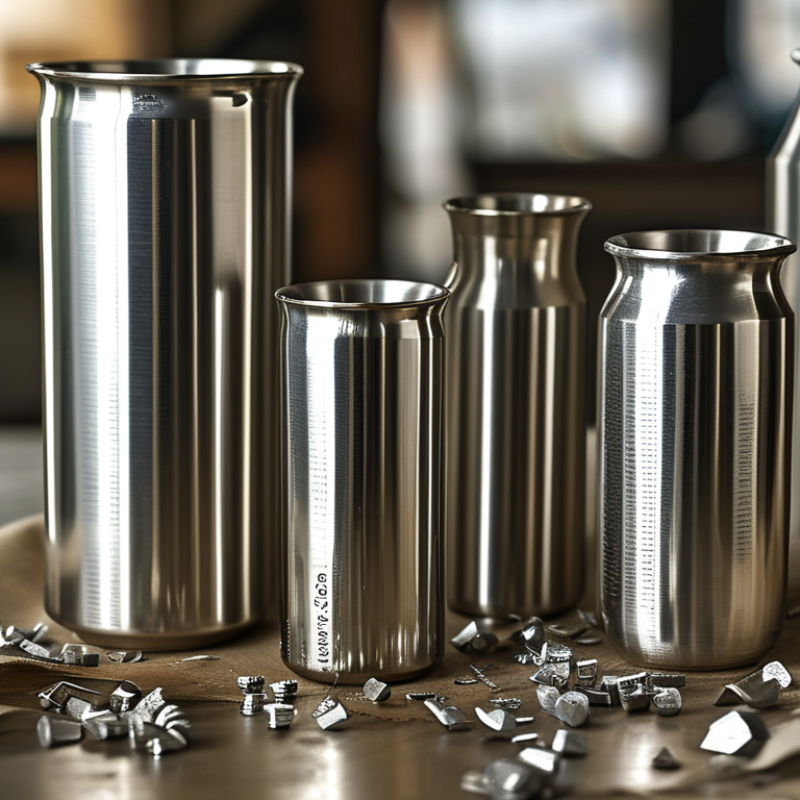
Understanding the Basics of Stainless Steel Composition
When selecting stainless steel, understanding its composition is key. Stainless steel primarily consists of iron, with a minimum of 10.5% chromium, which enhances its resistance to corrosion. Other elements like nickel and molybdenum can also be included, each affecting strength and corrosion resistance. The balance of these components creates various types with unique characteristics.
For instance, austenitic stainless steel contains significant amounts of nickel. This makes it non-magnetic and highly ductile, which is perfect for cooking utensils and medical instruments. Conversely, ferritic stainless steel has less nickel and exhibits magnetic properties. It's often used in automotive applications. But here lies a dilemma: choosing the right type can be challenging due to overlapping characteristics.
It’s crucial to compare grades when purchasing. For example, 304 and 316 stainless steels are both austenitic but have different corrosion resistance levels. If you're unsure, consulting with a metallurgist can provide guidance tailored to your needs. Engage in discussions, seek expert opinions, and gather ample information before making a decision. However, beware that certain applications might require further testing to confirm material performance over time.
Identifying Key Types of Stainless Steel: A Comprehensive Guide
Identifying key types of stainless steel is essential for making informed purchasing decisions. Stainless steel is categorized mainly into austenitic, ferritic, and martensitic types. According to industry reports, austenitic stainless steel, like grades 304 and 316, constitutes around 70% of all stainless steel production. This type is known for its excellent corrosion resistance and versatility.
Ferritic stainless steels are less ductile but more resistant to stress corrosion. They make up about 25% of the market. Grades like 430 are common in kitchenware and automotive applications. Martensitic types, such as 410, are less common, suitable for applications needing higher strength and hardness but lower corrosion resistance. This type only comprises roughly 5% of stainless steel production, making it a niche choice.
When evaluating stainless steel options, consider factors like corrosion resistance and tensile strength, as these greatly impact performance. The wrong choice might lead to premature failure in specific applications. Reports suggest that meticulous selection can improve longevity and reduce maintenance costs significantly. Understanding these characteristics is crucial, as there are no one-size-fits-all solutions.
Recognizing Stainless Steel Grades: Marking and Properties
When identifying stainless steel grades, it's crucial to pay attention to markings. Stainless steel is categorized into several grades, each with unique properties. Common grades include 304, 316, and 430. The first two are widely used due to their excellent corrosion resistance. Knowing the differences in these grades can help make informed purchasing decisions.
Look for the ASTM or SAE markings on stainless steel products. These markings indicate specific properties and performance levels. For instance, 316 stainless steel has molybdenum, increasing its resistance to chloride environments. In contrast, 430 is often used in less corrosive settings. Awareness of these nuances can save you complications later.
Many people overlook the importance of understanding these specifications. It’s easy to assume all stainless steel is the same, but it's not. Each grade has its purpose and suitability. Sometimes, choosing the correct grade might feel overwhelming, and mistakes could lead to performance issues. Reflecting on your needs and the application is vital. Be diligent; not all stainless steels are created equal.
Evaluating Stainless Steel for Specific Applications and Industries
When choosing stainless steel for specific applications, understanding its properties is crucial. Different grades of stainless steel offer varying resistance to corrosion, strength, and heat tolerance. For example, austenitic stainless steel is commonly chosen for food processing because of its high corrosion resistance and formability.
In industrial settings, martensitic stainless steel may be favored for its hardness. However, it has lower corrosion resistance. This can be a disadvantage in harsh environments. It’s vital to evaluate the working conditions and choose the grade that aligns with the project’s specific needs.
Moreover, the welding properties of the stainless steel should not be overlooked. Some grades are difficult to weld, leading to structural weaknesses. Buyers should consider how the material will be manufactured and whether special techniques are necessary. This reflection is essential to ensure the long-term success of the application.
Tips for Selecting the Right Stainless Steel for Your Needs
Selecting the right stainless steel requires understanding your specific needs and the material's properties. Stainless steel is categorized into different grades, each serving unique applications. According to a report by the International Stainless Steel Forum, over 70% of stainless steel production is austenitic, primarily used for its excellent corrosion resistance and formability. For projects requiring strength, consider martensitic grades, known for hardness.
It's essential to evaluate environmental factors impacting your choice. For instance, placing stainless steel in marine environments necessitates higher nickel content for corrosion resistance. The American Society for Testing and Materials (ASTM) outlines standards that help determine suitability based on exposure conditions. However, personal reflection is vital. Think critically about projects that may have failed due to inadequate material choice.
Many buyers overlook the importance of finish. A polished surface may enhance aesthetics, but it also impacts durability. While aesthetically pleasing, a mirrored finish can scratch easily compared to a brushed finish. Choose finishes that align with both functionality and visual requirements. Balancing these aspects can lead to more successful outcomes in your projects.
Stainless Steel Types Comparison
FAQS
: Consider properties like corrosion resistance, strength, and heat tolerance. Evaluate specific project needs.
It offers high corrosion resistance and good formability, making it suitable for food applications.
While hard, it has lower corrosion resistance and may not perform well in harsh environments.
Some grades are hard to weld, which can lead to structural weaknesses. This should be assessed.
Marine conditions require higher nickel content for better corrosion resistance. Consider exposure factors.
The finish can impact both aesthetics and durability. A polished finish may scratch easily.
The ASTM outlines regulations for performance based on exposure conditions. Use this for informed choices.
Think about previous failures due to material choices. Critical reflection can enhance future decisions.
Conclusion
In the article "How to Identify Different Types of Stainless Steel for Purchase," readers are guided through the essentials of stainless steel composition, enabling them to understand the various elements that contribute to the metal's properties. The article provides a comprehensive guide to identifying key types of stainless steel, including their unique characteristics and applications across different industries.
Furthermore, it outlines how to recognize stainless steel grades through appropriate markings and highlights the importance of evaluating specific stainless steel types for tailored applications. Finally, the article offers practical tips on how to identify different types of stainless steel to ensure that readers can select the right material for their needs, ultimately simplifying the purchasing process and enhancing decision-making in diverse contexts.

 TEDDI STEEL