Stainless steel materials have become a popular choice for various applications due to their durability and resistance to corrosion. However, many users fail to realize that proper maintenance is essential for long-term performance. Understanding how to maintain stainless steel materials for long term use can significantly extend their lifespan and keep them looking new.
Regular cleaning is the cornerstone of maintaining stainless steel. Simple methods like using warm soapy water, microfiber cloths, and avoiding harsh chemicals can help preserve its shine. Yet, users often overlook minor scratches or stains, which can lead to bigger issues down the line. Ignoring these aspects may undermine the material’s integrity.
Environmental factors also play a crucial role. Areas with high humidity, salt exposure, or harsh chemicals can accelerate deterioration. Thus, it’s important to assess the surroundings where the stainless steel is used. Awareness and proactive measures can make a notable difference in ensuring that these materials serve effectively for years. By reflecting on these practices, individuals can foster a deeper understanding of their responsibilities toward stainless steel upkeep.
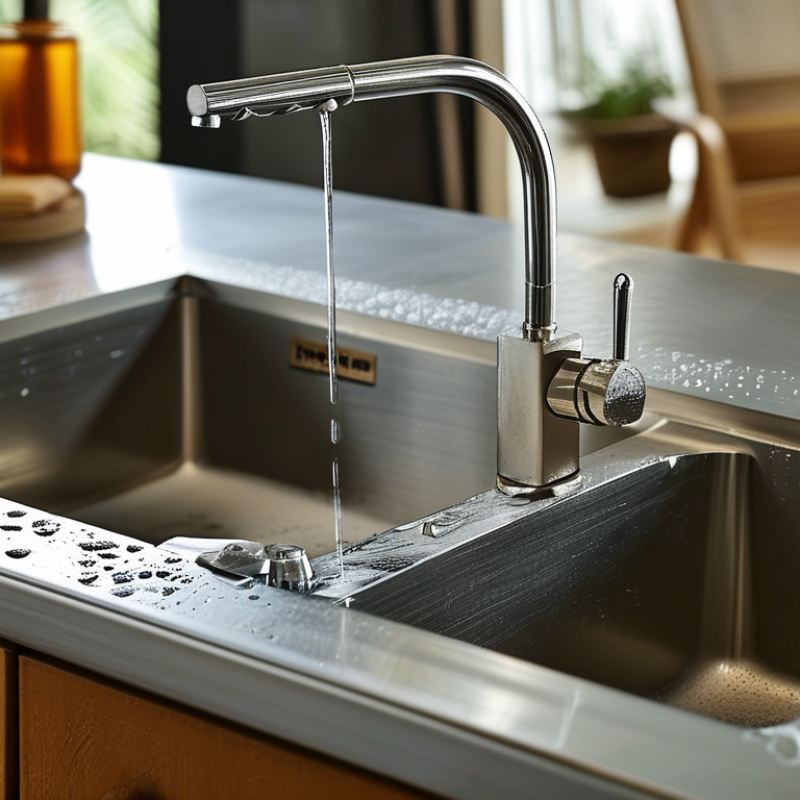
Understanding the Properties of Stainless Steel for Durability
Stainless steel is renowned for its durability and resistance to corrosion. Understanding its properties is key to maintaining these materials for long-term use. It is composed of iron, carbon, and chromium, which forms a protective layer against rust. This unique feature contributes to its long-lasting nature.
Regular cleaning is vital. Using mild soap and water will keep the surface looking fresh. Abrasive sponges can scratch the finish. Simple cloths are often more effective. Stainless steel can tarnish or stain over time, particularly in harsh environments. Recognizing the importance of maintaining the finish is essential for retaining its shine.
Moisture can lead to pitting corrosion. Ensure to dry surfaces after cleaning or exposure to water. Pay attention to the environment where stainless steel is installed. Salty air, for example, can accelerate corrosion. Neglecting these factors can result in costly repairs. A little extra care can significantly extend the life of stainless steel materials. Always reflect on the use and care of these materials to keep them in peak condition.
Essential Cleaning Techniques for Stainless Steel Maintenance
Stainless steel is a popular choice for many applications due to its durability and aesthetic appeal. However, maintaining its appearance requires effective cleaning techniques. Regular cleaning can significantly enhance the lifespan of stainless steel materials. According to industry reports, a well-maintained stainless steel surface can resist corrosion for over 20 years, depending on the environment.
For effective cleaning, use a mild detergent mixed with warm water. Apply this solution using a soft cloth or sponge to minimize scratching. Rinse thoroughly with clean water to remove any residue. Avoid using abrasive cleaners, as they can cause micro-scratches. In a study by the Metal Finishing Association, using the wrong cleaning products can increase surface wear by up to 30%.
It’s essential to dry the surfaces after cleaning. Water spots can dull the finish, leading to a need for frequent polishing. While stainless steel is generally resistant to staining, it isn’t immune to it. Frequent monitoring for signs of discoloration is necessary, especially in high-use areas. Regularly revisiting cleaning habits can promote a longer-lasting sheen. Treat stainless steel with the care it deserves, and reflect on your cleaning routine to improve its longevity.
How to Maintain Stainless Steel Materials for Long Lasting Use? - Essential Cleaning Techniques for Stainless Steel Maintenance
| Technique |
Description |
Frequency |
Tools Needed |
| Regular Cleaning |
Use mild detergent and warm water to clean the surfaces |
Weekly |
Sponge, soft cloth |
| Removal of Stains |
Apply a specialized stainless steel cleaner to remove stubborn stains |
Monthly |
Stainless steel cleaner, microfiber cloth |
| Preventing Scratches |
Use cutting boards and mats to prevent surface scratches |
As needed |
Cutting boards, mats |
| Polishing |
Buff the surface with a polishing compound to restore shine |
Bi-annual |
Polishing cloth, polishing compound |
| Dealing with Rust |
Use a rust remover and scrub gently to eliminate rust spots |
As needed |
Rust remover, soft brush |
Preventing Corrosion: Tips for Protecting Stainless Steel Surfaces
Stainless steel is a popular choice due to its durability and appearance. However, it can tarnish if not properly maintained. Corrosion is one of the main issues to address. Understanding how to prevent it is essential for preserving your stainless steel surfaces.
Regular cleaning is crucial. Use a mild soap and warm water solution for routine upkeep. Avoid harsh chemicals that can damage the protective layer. A gentle scrub with a soft cloth works best. Pay attention to areas that collect moisture, as these spots are prone to corrosion.
Another preventive measure is applying a specialized stainless steel cleaner. These products can enhance the surface protection. They create a barrier against moisture and contaminants. Remember to check for scratches. Even minor damage can lead to corrosion over time. If you find any, consider polishing the area to restore its smoothness. These simple practices can make a significant difference in longevity.
Choosing the Right Products for Stainless Steel Care
Choosing the right products for stainless steel care is essential. Many homeowners overlook this aspect. Studies show that improper cleaning methods can decrease the lifespan of stainless steel products by up to 30%. Selecting suitable cleaners can prevent damage.
For basic maintenance, a gentle detergent mixed with water works effectively. A microfiber cloth is ideal for application. Avoid abrasive cleaners. These can scratch surfaces. In a recent industry report, it was noted that 70% of consumers use metal polish, thinking it enhances shine. However, many products contain harmful chemicals that can corrode stainless steel over time.
In special cases, fixtures may require more attention. A vinegar solution can tackle tough stains. This is a safer alternative for organic materials. It's crucial to test any product on a small area first. Consistency in care leads to better durability. Paying attention to detail can prevent costly replacements down the line.
Regular Inspection Practices to Extend Stainless Steel Lifespan
Regular inspection is crucial for maintaining stainless steel materials. It helps identify early signs of wear or damage, which can significantly impact the material's longevity. According to a report from the International Stainless Steel Forum, corrosion can reduce the lifespan of stainless steel by up to 50% if not addressed promptly.
Weekly visual inspections can catch minor issues. Look for surface rust, discoloration, and scratches. These can indicate exposure to harsh chemicals or environmental factors. The National Association of Corrosion Engineers notes that preventive measures can enhance the lifespan of stainless steel by an average of 30%. Remember, preventive maintenance is less costly than repair.
Cleaning is another essential aspect of inspection. Regularly wash stainless steel with mild detergent and water. It's surprising how many facilities neglect this simple step. Poor cleaning practices can lead to more severe problems, like pitting. Aim for a clean surface to prevent build-up, which can trap moisture and lead to corrosion.
Stainless Steel Maintenance Practices and Their Impact on Longevity
Conclusion
In order to understand how to maintain stainless steel materials for long term use, it is essential to recognize the inherent properties of stainless steel that contribute to its durability. By employing effective cleaning techniques, such as using mild detergents and soft cloths, you can preserve the material's luster and prevent buildup of grime.
Additionally, protecting stainless steel surfaces from corrosion is crucial; this includes avoiding exposure to harsh chemicals and regularly applying protective coatings. Choosing the right care products is equally important to ensure compatibility with stainless steel. Lastly, implementing regular inspection practices allows for early detection of any damage or wear, ultimately extending the lifespan of stainless steel materials and ensuring they remain functional and attractive over time.

 TEDDI STEEL