2026 How to Overcome Challenges in Stainless Steel Fabrication?

Time:2026-06-30 Author:Sophia
0%

Stainless steel fabrication presents unique challenges that require expertise and innovation. According to Dr. Emily Harris, a leading expert in metal fabrication, "Understanding what are the challenges in stainless steel fabrication is key to overcoming them effectively." These challenges often stem from material properties, welding difficulties, and corrosion issues. Each of these aspects demands careful consideration and skilled handling.

The properties of stainless steel can complicate the fabrication process. Its strength and resistance to corrosion make it desirable but difficult to work with. For example, precise welding techniques are essential to prevent defects. Failure to do so can lead to compromised structural integrity. Additionally, the cost of materials and required technology can be overwhelming, especially for small businesses.

Fabricators must also contend with production timelines. Delays can arise from equipment failures or unexpected project complexities. This unpredictability forces companies to adapt quickly. Reflecting on these experiences can lead to better strategies in the future. The journey through these challenges shapes the industry and drives innovation. Ultimately, addressing these hurdles not only enhances production but also elevates the overall quality of stainless steel solutions.
2026 How to Overcome Challenges in Stainless Steel Fabrication?

Understanding the Common Challenges in Stainless Steel Fabrication

Stainless steel fabrication presents unique challenges. Understanding these hurdles is essential. One common issue is material selection. Choosing the wrong grade can lead to corrosion or inadequate strength. Knowledge about the specific environment is crucial. Whether indoors or outdoors, the conditions greatly influence material performance.

Welding difficulties also arise in stainless steel fabrication. Poor techniques can lead to weld defects, impacting structural integrity. Factors like heat input and shielding gases need careful attention. Skilled welders are vital in this process. They must be adept at handling variations in thickness and joint design.

Another significant challenge is machining stainless steel. This material can wear down tools quickly. Using the correct cutting speeds and feeds is critical for efficiency. A balance of speed and tool durability must be maintained. Many fabricators struggle with this aspect, often resulting in longer project timelines. A focus on training and skill improvement may help address these issues.

The Importance of Material Selection for Successful Fabrication

Material selection is crucial in stainless steel fabrication. The right choice can significantly impact both performance and durability. Different grades of stainless steel possess varying properties. For example, 304 stainless steel offers good corrosion resistance for general applications. In contrast, 316 stainless steel provides superior resistance in chemically harsh environments. Each project demands careful consideration of these factors.

Another aspect to weigh is the fabrication process itself. Welding techniques may differ based on the stainless steel grade. For instance, some grades require special filler metals to ensure integrity. A wrong selection can lead to weak joints and costly repairs. Understanding the nuances of material behavior during fabrication is essential for successful outcomes.

Also, the cost implications of material choices can be significant. Cheaper options may seem alluring initially but could result in failures down the line. Weighing the pros and cons of each type is a necessity. Regular training on the latest materials and techniques can help teams make informed decisions. Continuous reflection on past projects also helps refine selection strategies.

Techniques to Enhance Precision and Efficiency in Fabrication Processes

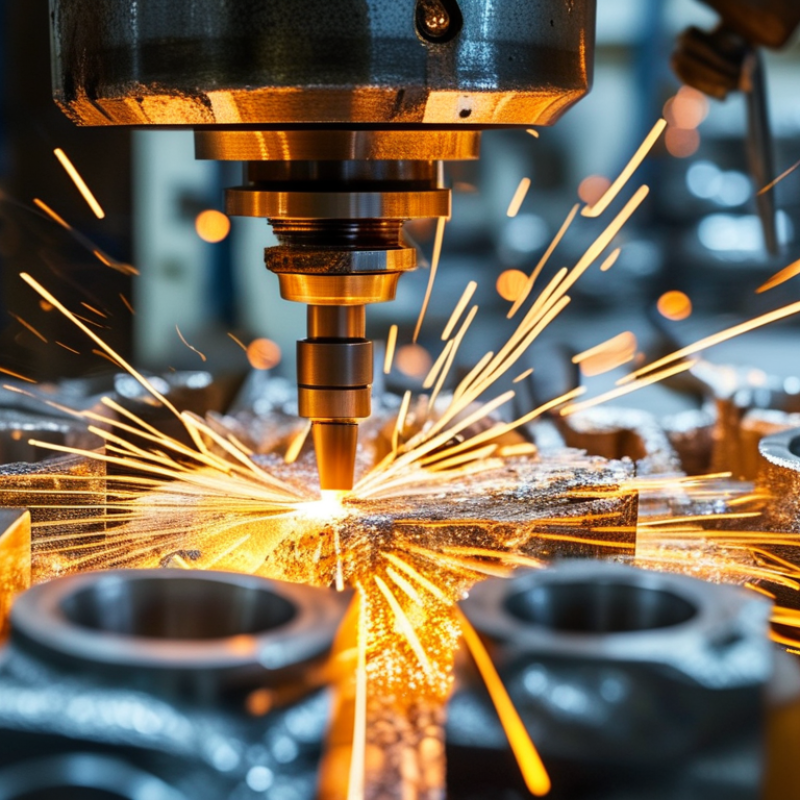
In stainless steel fabrication, precision is critical. Engineers must focus on careful alignment during machining. Using advanced tools can dramatically enhance accuracy. For example, laser cutting technology offers precise dimensions. This reduces waste and increases efficiency. However, there are challenges. Operators must be skilled to handle these tools effectively.

Efficiency often hinges on well-organized workflows. Implementing lean manufacturing techniques can minimize downtime. Streamlining the supply chain is also essential. It ensures timely material availability. Yet, many facilities struggle with inconsistencies in production. Regular training for staff can address these issues. A knowledgeable workforce is vital in overcoming hurdles.

Attention to detail is paramount. Regular maintenance of machines helps prevent breakdowns. This proactive approach can save time and costs. However, some companies neglect this aspect. They may overlook small problems that lead to bigger issues. A culture of continuous improvement can encourage a more reliable process. Enhancing precision and efficiency should be a shared goal among all team members.

2026 How to Overcome Challenges in Stainless Steel Fabrication? - Techniques to Enhance Precision and Efficiency in Fabrication Processes

Technique Description Benefits Challenges Addressed
Advanced Laser Cutting Utilizes focused laser beams to cut stainless steel with high precision. Increased accuracy, reduced material waste. Minimizes heat-affected zones and distortion.
Robotic Welding Automated welding processes that enhance speed and consistency. Improved weld quality, consistent production rates. Reduces human error and labor costs.
CNC Machining Computer-controlled cutting machines to shape stainless steel components. Enhanced precision, versatility in design. Complex geometries and tight tolerances.
Quality Assurance Systems Implementing inspection processes throughout fabrication. Ensures compliance with industry standards. Identifies defects early in the fabrication process.

Strategies for Addressing Corrosion and Surface Finish Issues

Corrosion and surface finish issues are critical challenges in stainless steel fabrication. According to a report by the International Stainless Steel Forum, corrosion can result in up to 50% of total maintenance costs. Addressing this is essential for ensuring the longevity and reliability of products. One effective strategy is implementing proper surface treatments. These methods can minimize oxidation, enhance durability, and improve aesthetic appeal.

Tips: Regular maintenance can help identify early signs of corrosion. Consistent inspections can prolong the lifespan of stainless steel products. Consider using passivation techniques to improve surface quality. This process strengthens the protective oxide layer, making stainless steel more resistant to corrosive environments.

Surface finish quality impacts both functional performance and visual appeal. Studies show that rough surfaces can harbor contaminants, leading to corrosion issues. Aiming for a smooth finish is vital in industrial applications. Precision machining and polishing techniques can achieve the desired result. However, it requires careful monitoring and adjustment throughout the fabrication process. Missteps here can lead to costly rework. It's necessary to refine processes continually to meet stringent industry standards.

Training and Skill Development for Stainless Steel Fabricators

Training is crucial in stainless steel fabrication. Skilled workers can significantly enhance productivity and quality. A report by the National Association of Manufacturers indicates that over 80% of manufacturers face skills gaps. Companies need to prioritize workforce training to address these challenges.

Skill development should focus on welding, cutting, and assembly techniques. Advanced training can elevate a fabricator’s performance. Yet, many firms lack structured training programs, which is a missed opportunity. Encouraging continuous education and certifications helps maintain a competitive edge.

Additionally, mentorship programs bridge the knowledge gap between seasoned professionals and newcomers. Learning from experienced fabricators offers invaluable insights. Engaging in hands-on projects can highlight weaknesses in skills and foster improvement. Identifying these areas is vital for growth and innovation in the industry.

FAQS

: Why is precision important in stainless steel fabrication?

: Precision ensures accurate dimensions, reduces waste, and improves overall efficiency in the production process.

How can advanced tools improve fabrication accuracy?

Tools like laser cutting technology can provide precise cuts, enhancing the quality and speed of fabrication.

What can help improve efficiency in manufacturing workflows?

Implementing lean manufacturing techniques can help minimize downtime and streamline operations for better efficiency.

Why is regular training necessary for staff in fabrication?

Training enhances staff skills, ensuring they effectively handle advanced tools and maintain consistency in production.

How does machine maintenance relate to production reliability?

Regular machine maintenance prevents breakdowns and ensures reliable operation, reducing the risk of costly interruptions.

What should companies monitor to prevent corrosion in stainless steel?

Regular inspections and timely maintenance can identify corrosion early, prolonging the lifespan of products.

How can surface finish affect stainless steel products?

A smooth surface finish reduces contaminants and corrosion, which is critical for both performance and aesthetics.

What role does continuous improvement play in fabrication?

A culture of continuous improvement encourages teams to address inefficiencies and refine processes regularly for better results.

What is passivation, and why is it important?

Passivation strengthens the protective oxide layer on stainless steel, enhancing its resistance to corrosion and improving durability.

How can errors in surface finishing affect production?

Missteps in achieving a desired surface finish can lead to costly rework and failure to meet industry standards.

Conclusion

The article "2026 How to Overcome Challenges in Stainless Steel Fabrication?" explores various aspects critical to the successful fabrication of stainless steel. It begins by unpacking what are the challenges in stainless steel fabrication, such as issues related to material selection, precision, and efficiency. The significance of choosing the right materials is emphasized, as poor selection can lead to fabrication difficulties and affect the overall quality of the finished product.

To tackle these challenges, the article suggests various techniques to enhance precision and efficiency, as well as strategies for addressing corrosion and surface finish problems. Additionally, it highlights the importance of training and skill development for fabricators to ensure they are equipped to meet the demands of this specialized field. By implementing these strategies, fabricators can effectively navigate the complexities of stainless steel fabrication and improve their outcomes.

Sophia

Sophia

Sophia is a dedicated marketing professional with an exceptional depth of knowledge about her company's products and services. With a keen understanding of market trends and customer needs, she crafts insightful blog posts that not only inform but also engage readers, enriching the company’s online......