Stainless steel surfaces are valued for their sleek appearance and durability. However, many people face the issue of discoloration over time. Understanding what causes discoloration on stainless steel is essential for maintaining its aesthetic appeal. Factors like heat exposure, chemical reactions, and even improper cleaning techniques can lead to unsightly stains and tarnishing.
When stainless steel is subjected to high temperatures, a process known as heat tinting occurs, resulting in discoloration. Certain cleaners or harsh chemicals can also react negatively with stainless steel. This is often overlooked during routine cleaning, leading to frustration for many users. It's not uncommon to discover discoloration after a simple kitchen mishap or even from regular usage.
To combat these issues, adopting preventive measures is crucial. Implementing the right cleaning methods and using appropriate products can help retain the original shine. Reflecting on one's cleaning routine can reveal habits contributing to the problem. By learning more about how to prevent discoloration, you can ensure that your stainless steel surfaces remain polished and flawless for years to come.
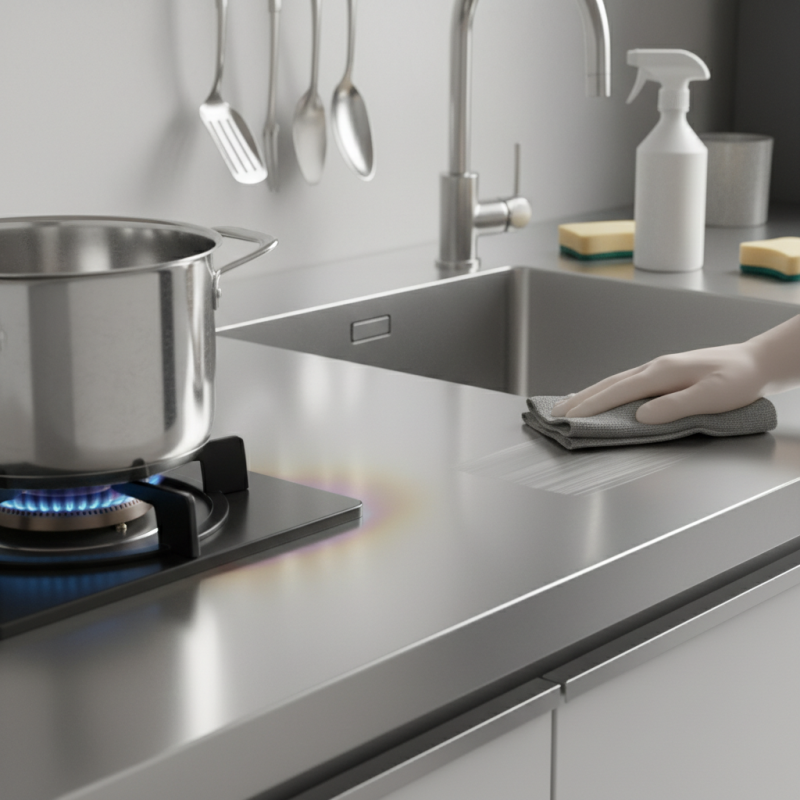
Understanding the Causes of Discoloration on Stainless Steel
Discoloration on stainless steel surfaces can be a frustrating issue. It often occurs due to high temperatures and chemical exposure. When stainless steel is heated, it can form a layer of oxidized metal that appears as a rainbow or bluish tint. This effect is not only unsightly but can also compromise the material's aesthetic appeal.
Another common cause is exposure to harsh cleaning agents. Certain chemicals, especially those containing chlorine or bleach, can lead to surface damage. Regular usage of these products can induce corrosion spots. Even water spots can contribute to staining if not wiped off properly. The key is to recognize these causes and adjust cleaning and maintenance routines accordingly.
Consider using gentler cleaning methods. Soft cloths and mild detergents maintain the surface integrity. Avoid abrasive pads that scratch stainless steel. Reflecting on your cleaning habits can promote better care for your surfaces. While it may take effort, preventing discoloration is possible with mindful practices. Remember to stay aware of potential risks to preserve the shine of your stainless steel.
Effective Cleaning Techniques for Stainless Steel Surfaces
Maintaining the pristine appearance of stainless steel surfaces can be challenging. Effective cleaning techniques are crucial in preventing discoloration and ensuring long-lasting beauty. According to a study by the American Cleaning Institute, proper cleaning reduces the accumulation of dirt and grime by up to 70%. Regular cleaning with mild detergents can help mitigate issues like discoloration and streaking.
One useful method involves using a mixture of warm water and a few drops of dish soap. This gentle solution can safely remove residues without causing scratches. Microfiber cloths are optimal for application, as they trap dirt effectively without leaving lint behind. Additionally, it's important to rinse the surface well after cleaning to remove any soap residues; failing to do so may lead to a dull finish.
For tougher stains, a paste made from baking soda and water is effective. Apply it gently, then rinse thoroughly. Industry reports suggest this method can restore shine, especially on heavily used surfaces. Experimenting with cleaning methods can lead to insights about what works best for your specific environment, ultimately enhancing the life of stainless steel features.
Protective Coatings to Prevent Discoloration
When it comes to preserving the beauty of stainless steel surfaces, protective coatings play a crucial role. These coatings create a barrier that helps prevent discoloration from heat, moisture, and chemical exposure. Applying a protective layer can significantly reduce the risk of unsightly spots and stains, keeping surfaces looking new.
Choosing the right protective coating requires some expertise. Not all coatings are created equal. Some might wear off quickly, while others could provide long-lasting protection. It’s essential to select a coating that is appropriate for the specific environment, whether that’s a kitchen, outdoors, or industrial setting.
Application techniques also matter. Achieving an even coat can be challenging but is vital for effective protection. Overlapping can create weak spots, leading to potential discoloration. Regular maintenance checks are necessary to identify wear and reapply coatings as needed. This ongoing process reflects the importance of attention to detail and care in preserving stainless steel surfaces.
Stainless Steel Surface Discoloration Prevention
Routine Maintenance Practices for Stainless Steel Care
Routine maintenance is essential for preserving the appearance and longevity of stainless steel surfaces. Regular cleaning with gentle, non-abrasive materials can prevent buildup that leads to discoloration. According to a report by the American Cleaning Institute, using mild detergent and warm water ensures effective dirt removal without damaging the metal. This simple practice can significantly reduce the risk of stain formation.
Additionally, avoid using steel wool or harsh chemicals. These can create micro-scratches on the surface, which later trap dirt and moisture. A study published in the Journal of Surface Science found that maintaining a clean and dry environment is crucial in preventing discoloration. A microfiber cloth is ideal for polishing and removing fingerprints while leaving a streak-free finish.
Scheduled maintenance checks are crucial too. Regularly inspect for any signs of corrosion or discoloration. Early intervention can save significant repair costs later. While the durability of stainless steel is commendable, neglecting proper care can lead to problematic areas that cause frustration. Ultimately, thoughtful maintenance routines make a noticeable difference and prolong the beauty of stainless steel surfaces.
Best Practices for Handling and Storing Stainless Steel Items
When handling and storing stainless steel items, attention to detail is crucial. Many users underestimate the impact of improper storage. A recent industry report highlighted that nearly 30% of stainless steel items show discoloration due to incorrect maintenance practices. This occurs because contaminants like food residue or cleaning agents can react negatively with the metal.
For effective storage, keep stainless steel surfaces clean and dry. Avoid stacking items too closely. This can create scratches and lead to corrosion. A study found that items stored unprotected lost their sheen more quickly than those stored with care. Utilize cloths designed for stainless steel to reduce surface scratches.
Avoid harsh chemicals or abrasive tools. These can strip protective films from the surface. Consider using mild soaps and soft cloths. A significant percentage of users reported improved longevity of their stainless steel surfaces when adopting these practices. Ultimately, the right approach to handling and storage can prolong the life and aesthetics of stainless steel items significantly.
FAQS
: Discoloration often happens due to high temperatures and chemical exposure. Heating forms oxidized metal layers that create tints.
Yes, harsh cleaning agents like those containing chlorine or bleach can cause surface damage and corrosion spots.
Use gentler cleaning methods. Soft cloths and mild detergents help maintain the surface without causing damage.
No, some coatings provide better protection than others. It's essential to choose one appropriate for your environment.
Keep them clean and dry. Avoid stacking items closely to prevent scratches and potential corrosion.
Avoid abrasive tools. They can strip protective films and damage the surface over time.
Regular maintenance checks will help identify wear. Reapply coatings as needed to protect surfaces effectively.
Yes, contaminants like food residue can react negatively with stainless steel. Keeping items clean is vital.
Handle items carefully and use cloths designed for stainless steel to minimize scratches.
Yes, improper storage can significantly affect the item's appearance and lifespan.
Conclusion
Discoloration on stainless steel surfaces can be attributed to various factors such as exposure to heat, harsh chemicals, or improper cleaning methods. Understanding what causes discoloration on stainless steel is essential for effective prevention. This article outlines effective cleaning techniques that help remove stains and restore the surface shine. Additionally, it highlights the importance of applying protective coatings to form a barrier against external factors that may lead to discoloration.
Maintaining stainless steel requires regular routine practices, including proper cleaning and careful handling. By following best practices for storing stainless steel items and avoiding exposure to corrosive substances, users can significantly prolong the aesthetic appeal and functionality of their stainless steel products. Adopting these strategies ensures that stainless steel surfaces remain vibrant and free from discoloration over time.

 TEDDI STEEL