How to Prevent Rust on Stainless Steel Surfaces Effectively?

Time:2026-05-05 Author:Liam
0%

Stainless steel is often praised for its durability and resistance to rust. However, it is not completely immune to corrosion. Renowned expert Dr. Emma Sanderson, a materials scientist at the Steel Research Institute, emphasizes, “Even stainless steel can rust if not properly maintained.” This insight highlights the importance of understanding how to prevent rust on stainless steel surfaces.

To effectively protect these surfaces, it's crucial to implement proper cleaning and maintenance routines. Regularly wiping down stainless steel surfaces with mild detergents can prevent the buildup of contaminants that contribute to rust. Furthermore, avoiding abrasive cleaners is essential, as they can damage the protective layer of the metal. A simple action, like drying surfaces promptly after exposure to moisture, can make a significant difference in preventing corrosion.

However, many overlook the need for routine inspections. Even small scratches can expose the steel beneath, leading to rust. It is vital to be mindful of how these tiny imperfections may accumulate over time. By taking these preventative measures seriously, one can significantly extend the life of stainless steel surfaces and keep them looking pristine.
How to Prevent Rust on Stainless Steel Surfaces Effectively?

Understanding the Composition of Stainless Steel and Its Resistance to Rust

Stainless steel is often hailed for its strength and resistance to corrosion. Its composition primarily includes iron, chromium, and nickel. Chromium content is crucial; at least 10.5% is required to form a passive layer that protects the surface. This layer prevents further oxidation, making stainless steel less prone to rust. However, not all stainless steel grades perform equally against corrosion.

A report from the Corrosion Technology Association indicates that environments rich in chlorides can lead to localized corrosion, even in stainless steel. This phenomenon, known as pitting, occurs when the protective chromium oxide layer breaks down. In coastal areas or industrial settings, stainless steel can suffer from this issue. Proper surface finishing and regular maintenance are essential to mitigate such risks.

Additionally, the presence of contaminants like dirt or oil can disrupt the passive layer. Ensuring a clean surface free from such substances is vital for optimal performance. Long-term exposure to harsh conditions requires careful material selection and protective coatings. Regular inspections can identify early signs of wear or corrosion, allowing for timely interventions. In essence, while stainless steel is resistant, it is not invulnerable.

Common Misconceptions About Rust Formation on Stainless Steel Surfaces

When it comes to rust formation on stainless steel, many hold common misconceptions. One prevalent belief is that stainless steel is completely rust-proof. In reality, it is corrosion-resistant but not immune to rust. This resistance often depends on the environment and maintenance practices.

Another misunderstanding is about the role of moisture. People often think that wet conditions alone cause rusting. While moisture initiates corrosion, factors like oxygen and chlorides also play crucial roles. Even indoor stainless steel can rust if it is exposed to humidity or salty air. Additionally, the presence of contaminants can lead to localized corrosion, often neglected in common cleaning habits.

Lastly, some believe that once stainless steel shows rust, it’s beyond repair. This is not true. Surface rust can often be removed with proper cleaning techniques. However, ongoing maintenance is essential to prevent its recurrence. Regular inspections and cleaning can significantly reduce the likelihood of rust on stainless steel surfaces. A proactive approach will ensure the longevity of these materials.

Effective Cleaning Techniques for Stainless Steel to Prevent Rusting

Cleaning stainless steel surfaces effectively is essential for preventing rust. Regular maintenance not only prolongs the lifespan of the material but also keeps it looking new. According to the National Association of Corrosion Engineers, nearly 25% of stainless steel corrosion issues can be traced back to improper cleaning methods.

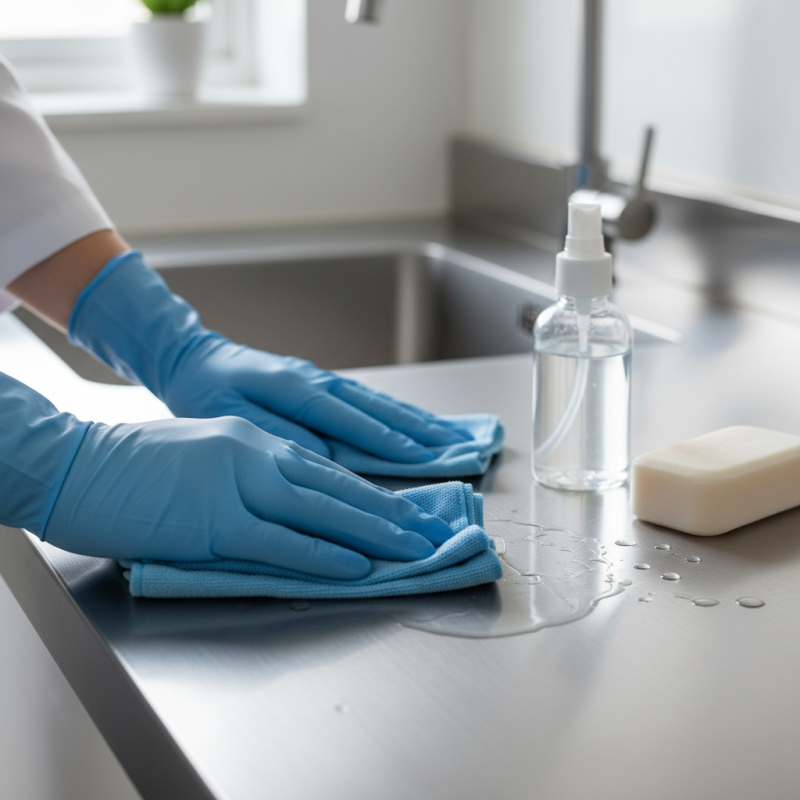
One effective technique involves using a mixture of warm water and mild dish soap. This solution helps remove dirt and grime without damaging the surface. Use a soft cloth or sponge to apply this mixture, ensuring you scrub in the direction of the grain. Rinsing thoroughly with clean water is crucial. Residual soap can cause issues over time, including rust formation.

After cleaning, drying the surface with a microfiber cloth prevents water spots that may lead to corrosion. Pay attention to areas where moisture tends to accumulate. For instance, kitchen sinks often harbor water that can promote rust if not dried adequately. Additionally, avoid abrasive cleaners or steel wool. They can scratch the surface and diminish its protective layer. Regular inspections for signs of wear or rust are also essential. This proactive approach can identify minor issues before they escalate, improving the overall integrity of stainless steel surfaces.

How to Prevent Rust on Stainless Steel Surfaces Effectively

This bar chart illustrates the effectiveness of various cleaning techniques for preventing rust on stainless steel surfaces. The cleaning techniques include Regular Cleaning, Use of Protective Coatings, Proper Drying, and Avoiding Harsh Chemicals.

Importance of Protective Coatings and Their Application on Stainless Steel

Protective coatings play a vital role in preserving stainless steel surfaces. These coatings act as a barrier against moisture and corrosive substances. They help maintain the aesthetic appeal and structural integrity of the metal. Without these coatings, even high-quality stainless steel can deteriorate over time.

Applying protective coatings requires careful consideration. The choice of coating depends on the environment where the stainless steel will be used. In humid or saline conditions, specific coatings may be necessary. The application process must be meticulous to ensure an even layer. Any imperfections in the coating can lead to rust formation.

Ensuring proper maintenance of these coatings is essential. Regular inspections can identify wear or damage early on. If neglected, rust may develop, compromising the steel's performance. The reliability of protective coatings ultimately depends on their upkeep and the environment they face.

How to Prevent Rust on Stainless Steel Surfaces Effectively?

Protective Coating Type Effectiveness Application Method Durability
Epoxy Coatings High Spray or Brush 5-10 years
Polyurethane Coatings Moderate Spray 3-7 years
Zinc-Rich Coatings High Spray or Dip 10-20 years
Clear Coatings Moderate Roll or Brush 2-5 years
Ceramic Coatings Very High Spray 10-15 years

Environmental Factors Influencing Rust on Stainless Steel and How to Mitigate Them

Stainless steel is often praised for its corrosion resistance. However, environmental factors can still lead to rusting under certain conditions. Moisture is a significant contributor. According to the Corrosion Engineering Handbook, a humid environment increases the likelihood of corrosion on stainless steel by 60%. When combined with pollutants like chlorine or salt, the risk escalates.

Another crucial factor is temperature. High temperatures can accelerate the rate of oxidation. Studies show that for every 10°C increase, the corrosion rate may double. This is critical for industries like food processing, where equipment is often exposed to harsh conditions. Regular maintenance and cleaning are vital. Not all cleaning agents are safe for stainless steel. Some harsh chemicals can damage the protective layer, leading to rust.

Preventing rust requires attention to detail. Inspecting surfaces regularly can help identify early signs of corrosion. Employing protective coatings can further enhance durability. Nevertheless, factors like airflow and exposure time to moisture need to be evaluated continuously. Even with preventive measures, rust can occur, highlighting the importance of vigilance in maintenance routines.

FAQS

: What is the primary composition of stainless steel?

: Stainless steel primarily consists of iron, chromium, and nickel.

How does chromium protect stainless steel?

Chromium forms a passive layer that prevents oxidation and corrosion on stainless steel.

Can stainless steel rust?

Yes, stainless steel can rust, especially in corrosive environments or with poor maintenance.

What is pitting in stainless steel?

Pitting happens when the protective layer breaks down, often due to chloride exposure.

What should be done to maintain stainless steel?

Regular cleaning and inspections are necessary to prevent rust and identify wear early.

How should stainless steel be cleaned?

Use warm water and mild dish soap. Always scrub in the direction of the grain.

Why is drying stainless steel important?

Drying prevents water spots that can lead to corrosion over time.

Are abrasive cleaners safe for stainless steel?

No, abrasive cleaners can scratch the surface and ruin its protective layer.

What common contaminants harm stainless steel's performance?

Dirt and oil can disrupt the passive layer, leading to corrosion issues.

How often should stainless steel be inspected?

Regular inspections should be conducted to catch minor issues before they worsen.

Conclusion

Preventing rust on stainless steel surfaces is vital for maintaining their aesthetic appeal and functionality. Understanding the composition of stainless steel reveals its inherent resistance to rust, primarily due to its chromium content which forms a protective layer. However, common misconceptions persist regarding the formation of rust on these surfaces, often leading to improper care. To effectively prevent rust, employing proper cleaning techniques is essential. Regularly cleaning with non-abrasive materials and appropriate cleaners can help maintain the integrity of the surface.

In addition to cleaning, the application of protective coatings can further enhance rust resistance. These coatings act as barriers against environmental factors such as moisture and pollutants, which can accelerate corrosion. Awareness of environmental influences is also crucial; factors like humidity and salt exposure can significantly impact the longevity of stainless steel. By understanding how to prevent rust on stainless steel surfaces through these methods, one can ensure the durability and visual appeal of stainless steel products over time.

Liam

Liam

Liam is a dedicated marketing professional with a profound expertise in the industry, where he excels at highlighting the unique advantages of our core products. With a keen understanding of market trends and consumer needs, Liam frequently updates our company’s professional blog, providing......