How to Prevent Rust on Stainless Steel Surfaces Effectively?

Time:2026-08-12 Author:Madeline
0%

Rust prevention on stainless steel surfaces is vital for maintaining both aesthetics and functionality. According to John Smith, a leading expert in metal preservation, “Regular maintenance is the key to keeping stainless steel rust-free.” His insights shed light on the importance of understanding how to prevent rust on stainless steel surfaces.

Stainless steel is not completely immune to rust. Environmental factors play a significant role in its deterioration. Even minor exposure to moisture can lead to corrosion over time. Regular cleaning can help eliminate contaminants that promote rust. Yet, many overlook this simple task, thinking stainless steel can withstand all conditions.

Furthermore, protective coatings and finishes can enhance resistance. However, applying these incorrectly can lead to peeling or other issues. It’s crucial to follow proper guidelines when using these products. Engaging experts can provide clarity, but not everyone seeks help. Awareness is essential for anyone seeking to learn how to prevent rust on stainless steel surfaces effectively.
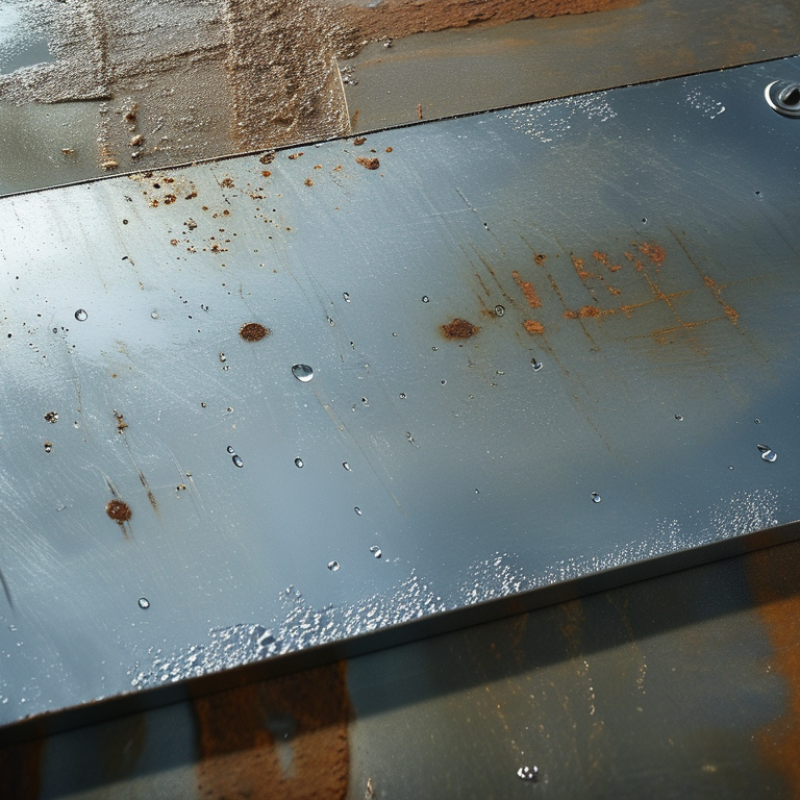
How to Prevent Rust on Stainless Steel Surfaces Effectively?

Understanding the Nature of Stainless Steel and Rust Formation

Stainless steel is often praised for its resistance to rust and corrosion. However, it is not entirely impervious. The formation of rust can occur under certain conditions, even on stainless steel surfaces. Understanding how rust forms on these materials is essential to maintaining their integrity and appearance.

Stainless steel contains chromium, which forms a protective layer when exposed to oxygen. This layer can be compromised if the surface gets scratched or contaminated. For example, exposure to chlorine or extreme humidity can lead to corrosion. Regular cleaning and maintenance are crucial. Using mild detergents can help preserve the protective layer.

Environmental factors also contribute to rust formation. Saltwater, for instance, can speed up corrosion and require more diligent upkeep. Ensuring that stainless steel is properly maintained in such environments is necessary but can be overlooked. An effective strategy is to use protective coatings, but even these need regular checks. Understanding these elements will help reinforce the importance of care and awareness in stainless steel usage.

How to Prevent Rust on Stainless Steel Surfaces Effectively?

Method Description Frequency Effectiveness
Regular Cleaning Clean the surface with mild soap and water to remove contaminants. Weekly High
Apply Protective Coating Use a silicone-based spray or wax to create a barrier against moisture. Monthly Moderate
Avoid Chlorides Avoid exposing stainless steel to chlorides found in saltwater and road de-icing agents. Continuous High
Inspect Regularly Check for signs of corrosion and address issues immediately. Bi-weekly High
Proper Drainage Ensure surfaces are designed to allow water to drain away effectively. Ongoing Very High

Essential Cleaning Practices to Maintain Stainless Steel Surfaces

Maintaining stainless steel surfaces requires regular and effective cleaning practices. Dust, grease, and moisture can contribute to rust over time. It’s vital to use soft cloths for wiping surfaces. This prevents scratches, which may expose the metal beneath. Always clean in the direction of the grain to achieve the best results.

Using a mixture of warm water and mild soap can be effective for cleaning. This not only removes dirt but also prevents corrosion. Rinsing with clear water is crucial to remove any residue. Drying the surface with a soft towel can eliminate water spots. Some people forget this step, leaving surfaces vulnerable.

Incorporating these practices into your routine can enhance the longevity of stainless steel. Regular inspections for signs of rust should not be overlooked. Finding small areas of concern early can prevent larger issues later. We can all improve our cleaning habits by staying vigilant and attentive to detail.

Applying Protective Coatings to Prevent Rust on Stainless Steel

Protective coatings play a crucial role in preventing rust on stainless steel surfaces. These coatings act as a barrier against moisture and corrosive elements. Studies indicate that nearly 70% of stainless steel corrosion is due to environmental factors. Applying a proper coating can significantly extend the life of stainless steel by preventing surface oxidation.

Different types of protective coatings are available in the industry. Options include paints, polymers, and nano-coatings. A recent report highlights that polymer coatings can reduce corrosion rates by up to 90%. Despite these advancements, challenges remain in ensuring uniform application. Uneven coating can lead to localized rusting, showcasing the need for expert application techniques.

Moreover, environmental factors can affect coating durability. Regular maintenance is essential to check for signs of wear. Inspections should focus on high-contact areas and any potential scratches. Ensuring that the protective layer is intact will promote longevity and performance. Without proper oversight, corrosion can still occur, leading to costly repairs and replacements.

Routine Maintenance Tips for Long-lasting Stainless Steel

Stainless steel is renowned for its durability, but it's not entirely immune to rust. Regular maintenance is essential to keep it looking its best and functioning properly. According to a report by the International Stainless Steel Forum, around 25% of stainless steel failures are due to improper care. Understanding how to maintain these surfaces can help prolong their lifespan.

Start with a routine cleaning schedule. Use mild soap or a pH-balanced cleaner. Avoid abrasive materials that can scratch the surface. Rinsing with clean water is vital to remove any soap residue and contaminants. Regularly inspect surfaces for signs of discoloration or rust. These early signs can be addressed promptly, preventing larger issues down the line.

A few essential tips: apply a vinegar or oil solution to protect the surface. This can eliminate small rust spots. For stubborn stains, consider using a specialized cleaner designed for stainless steel. Regularly wipe down surfaces after use, especially in kitchens. Keeping these practices can safeguard your stainless steel for years to come.

How to Prevent Rust on Stainless Steel Surfaces Effectively?

Best Practices for Storing Stainless Steel Items Safely

When it comes to storing stainless steel items, proper practices are crucial to prevent rust. Stainless steel, despite its name, can corrode if not handled correctly. A study from the American Society for Metals highlights that certain environments can accelerate rusting due to humidity and exposure to chlorides. To mitigate these risks, consider the storage environment's conditions.

Humidity is a significant factor. Keeping stainless steel items in a dry place is vital. Ideal humidity levels should be below 50%. Using silica gel packets can help absorb excess moisture. Additionally, avoid direct contact with other metals, which can lead to galvanic corrosion. Use padding or soft materials between items to protect surfaces.

Regular inspections for signs of rust are essential. A recent survey indicates that 30% of stainless steel users experience rust due to neglect in monitoring. Clean the surfaces often with a mild soap solution and dry them thoroughly to avoid water spots. Remember, even stainless steel requires maintenance. Addressing minor issues promptly can prevent larger problems down the line.

FAQS

: Can stainless steel rust?

: Yes, stainless steel can rust under certain conditions, despite its resistance to corrosion.

What causes rust to form on stainless steel?

Rust can form when the protective chromium layer is compromised by scratches or contamination.

How can I maintain my stainless steel items?

Regular cleaning with mild soap and rinsing with clean water is essential for maintenance.

Why is humidity a concern for stainless steel?

High humidity levels can accelerate rust formation, especially in environments with chlorides.

How can I store stainless steel items properly?

Store them in a dry place with humidity below 50% to reduce the risk of rust.

What should I use to protect my stainless steel surfaces?

A vinegar or oil solution can help protect surfaces and eliminate minor rust spots.

How often should I inspect my stainless steel items?

Regular inspections are crucial; neglect can lead to significant rust issues.

Are there any materials to avoid when cleaning stainless steel?

Avoid abrasive materials that can scratch and damage the surface.

What can I do about stubborn rust stains?

For tough stains, consider using a cleaner specifically designed for stainless steel.

Is routine maintenance really necessary?

Yes, neglecting maintenance can lead to issues; about 25% of failures come from improper care.

Conclusion

To effectively address the question of how to prevent rust on stainless steel surfaces, it is crucial to understand the composition of stainless steel and the mechanisms by which rust forms. Regular cleaning is essential to remove contaminants that can lead to corrosion. Utilizing appropriate cleaning agents and techniques helps maintain the appearance and integrity of the surfaces.

In addition to cleaning, applying protective coatings can serve as a barrier against moisture and harmful elements. Routine maintenance, such as inspecting for signs of rust and addressing them promptly, is vital for the longevity of stainless steel items. Lastly, storing stainless steel products in a safe environment—away from high humidity and corrosive substances—will further enhance their durability and resistance to rust. By following these guidelines, one can effectively prevent rust on stainless steel surfaces.

Madeline

Madeline

Madeline is a dedicated marketing professional with a wealth of expertise in our company's core offerings. With a keen understanding of the industry, she brings a unique perspective to her role, consistently delivering high-quality content that highlights the superior aspects of our products. As......