When considering the question, "what is the lifespan of stainless steel products," industry expert Dr. Emily Chen offers valuable insights. She states, “Stainless steel can last for decades with proper care.” This highlights the durability of these materials in various applications, from kitchen appliances to construction.
Stainless steel products are widely recognized for their resistance to corrosion and rust. This corrosion resistance extends their lifespan significantly. On average, many stainless steel items can last 15 to 25 years. However, this lifespan can vary due to environmental factors and usage. Some items may even last much longer.
To maximize the lifespan, regular maintenance is essential. Cleaning with non-abrasive solutions prevents surface damage. Understanding the conditions these products face is crucial. Whether in marine environments or high-moisture areas, awareness can lead to better longevity. Exploring "what is the lifespan of stainless steel products" offers a deeper understanding of their advantages and limitations in real-world applications.
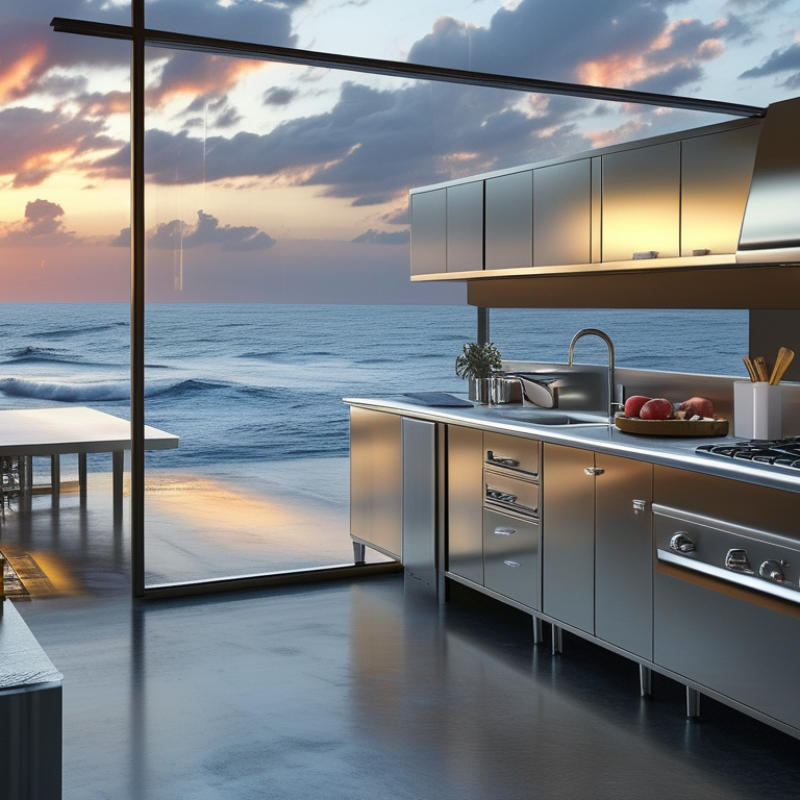
Understanding the Lifespan of Stainless Steel Products
Stainless steel products are known for their durability and resistance to corrosion. However, understanding their lifespan can be complex. Various factors influence how long these products last. The type of environment they are exposed to plays a significant role. For instance, in coastal areas with high humidity and salt, stainless steel may face accelerated corrosion.
The maintenance routine is equally critical. Regular cleaning with non-abrasive agents helps maintain their shine and longevity. Neglect can lead to staining and pitting, which compromise the material's integrity. Even minor scratches can become focal points for rust if not addressed promptly.
Temperature fluctuations also affect stainless steel. Extreme heat or cold can create stress on the material. These stresses may lead to warping or other forms of damage over time. In manufacturing or kitchen environments, stainless steel products used under heavy-duty conditions may wear out faster. Users should consider these aspects to maximize the lifespan of their stainless steel items.
What is the Lifespan of Stainless Steel Products?
The lifespan of stainless steel products varies significantly based on their usage, environment, and maintenance. The following chart illustrates the average lifespan of common stainless steel items in various conditions.
Factors Affecting the Durability of Stainless Steel
Stainless steel is renowned for its durability. However, its lifespan is influenced by various factors. The alloy composition plays a crucial role. Typically, a higher chromium content enhances resistance to corrosion. According to industry reports, grades like 316 stainless steel can last over 50 years in marine environments. Yet, not all stainless steels exhibit the same level of resilience.
Environmental conditions are also pivotal. Exposure to moisture and harsh chemicals accelerates wear. A study by the American Society for Testing and Materials indicates that stainless steel in chlorinated water can experience pitting, potentially reducing its lifespan significantly. Regular maintenance can mitigate these effects, but often, users overlook this essential step.
Additionally, the manufacturing process impacts quality. Improper fabrication can create weak points in the structure. Such vulnerabilities might not be visible immediately. However, they can compromise durability over time. A well-designed product will generally withstand the test of time better than one with manufacturing flaws. Understanding these factors is vital for consumers aiming to make informed choices.
Comparative Lifespan: Stainless Steel vs. Other Materials
Stainless steel is renowned for its durability, but how does it compare to other materials?
Studies indicate that stainless steel products can last over 50 years in many applications.
This longevity is particularly advantageous in environments prone to corrosion.
For instance, research conducted by the American Society for Testing and Materials found that stainless steel can withstand harsher conditions than aluminum and carbon steel.
In fact, in direct exposure to marine environments, stainless steel exhibits a lifespan that is typically 2 to 3 times greater than carbon steel.
However, the performance of stainless steel is not universally superior. Certain plastics and composites can offer comparable, if not longer, lifespans in specific contexts.
For example, high-density polyethylene (HDPE) can last up to 100 years when buried underground.
Meanwhile, wood, while aesthetically pleasing, can degrade within 10 to 20 years if not properly treated.
Moreover, stainless steel products can also suffer from pitting and crevice corrosion under certain conditions, necessitating thoughtful design and maintenance strategies.
Ultimately, while stainless steel stands out for its resilience, it is essential to assess the environment and application.
Factors like exposure to chemicals, stress, and even mechanical wear can influence its longevity.
Balancing these aspects with an understanding of alternative materials can lead to better decisions in product selection.
Industry Standards for Stainless Steel Product Longevity
The longevity of stainless steel products is often determined by specific industry standards. According to the American Society for Testing and Materials (ASTM), grades such as 304 and 316 are widely recognized for their durability. These grades resist corrosion well, extending the lifespan of stainless steel items in various environments.
Research shows that stainless steel can last 50 years or more with proper maintenance. In marine environments, for instance, 316 stainless steel is preferred due to its higher resistance to saltwater corrosion. However, even with these advantages, factors like pitting, staining, or discolored surfaces can occur. It’s crucial to regularly inspect for any signs of wear.
The International Stainless Steel Forum highlights that while corrosion resistance is significant, mechanical wear can be overlooked. For instance, in high-traffic areas, daily use can lead to scratches. Proper care and periodic assessments can address these issues, helping to maintain the appearance and functionality of stainless steel products over time.
Maintenance Practices to Enhance Stainless Steel Lifespan
Stainless steel products are known for their durability and resistance to corrosion. However, their longevity can be significantly affected by maintenance practices. Regular cleaning is crucial. Experts recommend using a mild detergent and warm water to scrub the surface. This simple practice can help prevent buildup of contaminants that may lead to corrosion.
In industrial environments, the American Iron and Steel Institute notes that proper maintenance can extend the lifespan of stainless steel components by 40%. For residential use, maintaining appliances or fixtures requires a different approach. Wiping down surfaces with a soft cloth can remove fingerprints and smudges, enhancing appearance and performance.
While stainless steel is durable, neglect can lead to issues. For instance, the presence of chlorine in cleaning products can contribute to pitting corrosion. Also, using abrasive materials can scratch the surface and compromise its protective layer. Awareness of these pitfalls is essential for anyone looking to maximize the lifespan of their stainless steel items.
What is the Lifespan of Stainless Steel Products? - Maintenance Practices to Enhance Stainless Steel Lifespan
| Product Type |
Average Lifespan (Years) |
Common Maintenance Practices |
Impact of Maintenance on Lifespan |
| Stainless Steel Kitchen Sink |
15-30 |
Regular cleaning, avoiding harsh chemicals |
Can increase lifespan by 5-10 years |
| Stainless Steel Utensils |
10-20 |
Hand washing, drying immediately |
Enhances appearance and functionality |
| Stainless Steel Appliances |
15-25 |
Regular polishing, checking for signs of corrosion |
May extend lifespan up to 10 years |
| Stainless Steel Furniture |
20-40 |
Periodic cleaning, avoiding abrasive materials |
Can maintain aesthetic appeal and structural integrity |
| Stainless Steel Pipes |
25-50 |
Inspecting connections, cleaning occasionally |
Significantly reduces risks of leaks and damages |
Conclusion
The article titled "What is the Lifespan of Stainless Steel Products?" provides a comprehensive overview of the durability and longevity of stainless steel items. It begins by explaining the factors that significantly affect the lifespan of these products, such as environmental conditions, the type of stainless steel used, and the frequency of maintenance. The article also compares the lifespan of stainless steel to that of other materials, highlighting its advantages in terms of resistance to corrosion and wear.
Furthermore, it discusses industry standards that dictate the expected longevity of stainless steel products, ensuring consumers can make informed choices. Maintenance practices are emphasized as crucial for enhancing the life of stainless steel items, including regular cleaning and avoiding harsh chemicals. Overall, this exploration answers the essential question: what is the lifespan of stainless steel products, and provides valuable insights into ensuring their long-term integrity.

 TEDDI STEEL