In the world of stainless steel manufacturing, adhering to strict quality standards is vital. Experts emphasize the importance of compliance. John Smith, a renowned industry specialist, stated, “Understanding what standards apply to stainless steel manufacturing can elevate product quality and safety.”
To ensure excellence, firms must navigate various guidelines. ISO 9001 sets the foundation for quality management systems. ASTM A240 focuses on stainless steel sheet and plate specifications. Moreover, ASME SA-240 outlines materials for pressure vessels, underscoring safety and performance.
Maintaining high standards is not without its challenges. Some manufacturers may overlook minor compliance factors, risking overall integrity. As the industry evolves, continuous training and adaptation are essential. Understanding what standards apply to stainless steel manufacturing is a journey, where knowledge and diligence are key to success.
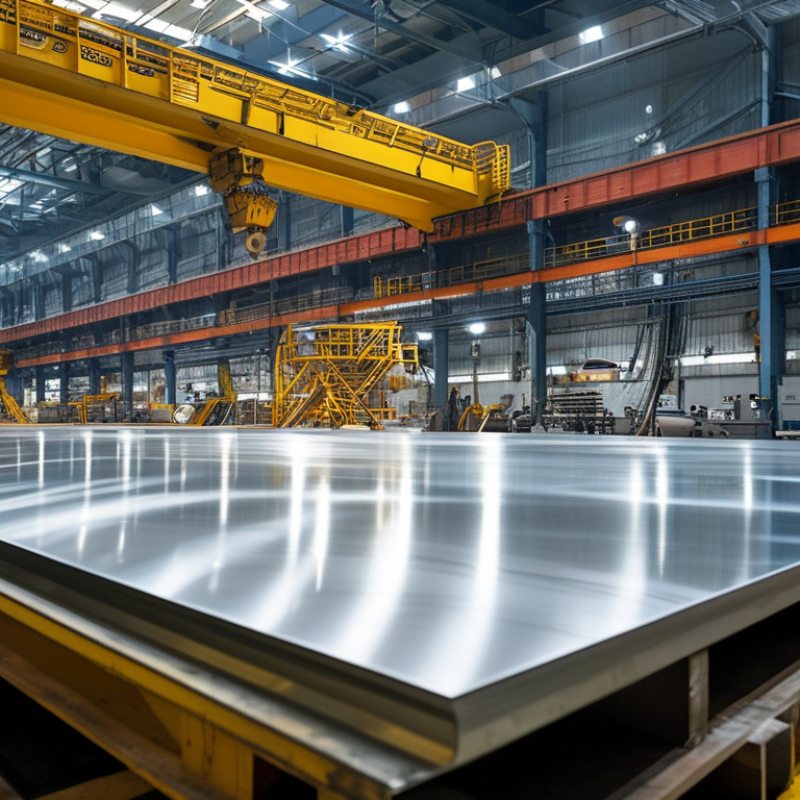
Overview of Stainless Steel Manufacturing Quality Standards
Stainless steel manufacturing relies heavily on quality standards to ensure product integrity. Various standards exist to benchmark this vital aspect of production. Among the most recognized are ASTM A240 and ISO 9001. These standards guarantee that the materials used meet specific criteria for durability and reliability. For instance, ASTM A240 specifies the requirements for chromium and nickel content. These elements are crucial in defining the corrosion resistance of stainless steel.
Quality management systems further enhance manufacturing outcomes. ISO 9001 provides a framework for maintaining effective processes and ensuring customer satisfaction. Research shows that companies adhering to these standards report a 20% increase in customer retention. However, the journey to compliance can be challenging. Many manufacturers struggle with staff training and process adaptation. Non-conformance can occur, leading to rejections or, worse, product failures.
Additional standards, like EN 10088, detail the classifications of stainless steel grades. This standard ensures that manufacturers follow strict guidelines for chemical composition. Industry reports suggest that adherence to these standards can reduce defects by up to 30%. As manufacturers work toward certification, they must frequently evaluate their systems. Continuous improvement is essential, yet many overlook the importance of regular audits and feedback loops. This gap can result in missed opportunities for growth and refinement in quality.
Key International Standards for Stainless Steel Production
Stainless steel production adheres to various international standards ensuring quality and reliability. These standards are vital for manufacturers aiming to meet customer expectations. The International Organization for Standardization (ISO) outlines several key norms that guide industries in the production of stainless steel. ISO 9001, for instance, focuses on quality management systems, emphasizing continuous improvement and customer satisfaction.
One of the core standards is ASTM A240, which specifies the characteristics of stainless steel sheets and plates. This standard provides important guidelines on corrosion resistance and mechanical properties. Compliance with this standard can greatly impact the durability and safety of the final product. However, many manufacturers find the requirements challenging. They must invest in rigorous testing and quality control measures.
Another critical standard is EN 10088, which outlines the chemical composition of stainless steel. Understanding these specifications is crucial for achieving desired performance in various applications. Despite the clarity offered by these standards, discrepancies often arise during implementation. Manufacturers may struggle to balance compliance and cost-effectiveness. This tension highlights a need for ongoing dialogue and improvement in manufacturing processes.
Top 10 Standards for Stainless Steel Manufacturing Quality
| Standard Name |
Description |
Applicable Industries |
Revision Year |
| ASTM A240 |
Standard Specification for Chromium and Chromium-Nickel Stainless Steel Plate, Sheet, and Strip for Pressure Vessels and for General Applications |
Manufacturing, Aerospace, Chemical Processing |
2021 |
| ISO 9001 |
Quality Management Systems - Requirements |
All Industries |
2015 |
| EN 10088-1 |
Stainless Steels - Part 1: List of Stainless Steels |
Construction, Automotive |
2014 |
| ASTM A276 |
Standard Specification for Bar and Wire Rods of Stainless Steel |
Manufacturing, Construction |
2020 |
| ASTM A312 |
Standard Specification for Seamless and Welded Austenitic Stainless Steel Pipes for High-Temperature Service |
Energy, Oil and Gas |
2022 |
| ISO 14001 |
Environmental Management Systems - Requirements with Guidance for Use |
All Industries |
2015 |
| ISO 45001 |
Occupational Health and Safety Management Systems - Requirements with Guidance for Use |
All Industries |
2018 |
| ASTM A323 |
Standard Specification for Ferritic/Austenitic Stainless Steels for Pressure Applications |
Energy, Chemical Processing |
2019 |
| ASME SA-240 |
Standard Specification for Chromium and Chromium-Nickel Stainless Steel Plates, Sheets, and Strips for Pressure Vessels |
Energy, Manufacturing |
2021 |
Material Specifications and Compliance Requirements
In stainless steel manufacturing, material specifications and compliance are crucial. Standards like ASTM and ISO guide quality assurance. These specifications dictate the chemical composition and mechanical properties required for various stainless steel grades. A report from the International Stainless Steel Forum indicates that over 70% of stainless steel produced meets these standards exceptionally.
Companies must continually monitor their products to ensure compliance. For instance, testing tensile strength and corrosion resistance can identify potential weaknesses. This proactive approach can significantly reduce failures in real-world applications. Regular audits and adherence to ISO 9001 standards enhance reliability, benefiting manufacturers and consumers alike.
Tips: Ensure all materials undergo rigorous testing. Random sampling can help catch issues early. Document all processes meticulously for transparency. Remember, maintaining high-quality standards not only meets regulations but also builds trust with customers. Always strive for improvement, even when standards are met. Continuous learning can lead to breakthroughs in processes.
Quality Control Measures in Stainless Steel Manufacturing
Quality control in stainless steel manufacturing is crucial. It ensures that products meet specific standards and are reliable for various applications. Each stage of production is vital. From raw material selection to final inspections, every detail matters.
One common measure is visual inspection. Workers check for surface defects. This method is simple but effective. However, it may miss some internal flaws. Advanced testing, like ultrasonic or X-ray examinations, is essential. These tests reveal issues that aren't visible. Yet, they require specialized equipment and trained personnel.
Documentation is another key aspect. Manufacturers should maintain detailed records of production processes. This practice aids traceability and enhances accountability. However, inconsistencies in record-keeping can lead to gaps in quality assurance. Regular audits can help identify such discrepancies. Continuous training for staff is also important to uphold standards. A knowledgeable workforce can recognize potential problems early on.
Testing and Certification Processes for Stainless Steel Products
Testing and certification processes for stainless steel products are crucial in ensuring quality and reliability. Manufacturers often follow specific standards that dictate the requirements for materials and performance. These standards help assess the durability, corrosion resistance, and mechanical properties of stainless steel. Testing occurs at various stages, from raw materials to finished products. Rigorous examination ensures they meet industry specifications and consumer expectations.
Quality control involves multiple testing methods, such as tensile strength tests and corrosion resistance tests. Each method serves a distinct purpose in verifying the product's integrity. Inconsistencies in results can arise, leading to reevaluation of manufacturing processes. Rigorous certification ensures conformity to recognized standards. However, not all manufacturers consistently achieve these benchmarks. This inconsistency raises concerns regarding product safety and efficacy.
To enhance reliability, regular audits and inspections play a vital role. Third-party certifications can provide additional assurance for consumers. However, the potential for bias exists if audits are not conducted independently. Continuous improvement in testing methodologies is essential. As technology advances, so too should the standards that govern this industry. Reflection on past practices often leads to better outcomes in manufacturing quality.
Top 10 Standards for Stainless Steel Manufacturing Quality
Conclusion
The manufacturing of stainless steel is governed by a variety of quality standards that ensure the material meets specific performance and safety criteria. Understanding what standards apply to stainless steel manufacturing is crucial for manufacturers and consumers alike. Key international standards include those defined by organizations like ASTM and ISO, which outline material specifications and compliance requirements necessary for production.
Quality control measures are integral to the manufacturing process, encompassing stringent testing and certification processes that guarantee the product's integrity and consistency. These practices not only enhance the reliability of stainless steel products but also ensure they meet the expectations of various industries. By adhering to established standards, manufacturers can achieve superior quality and safety in their stainless steel offerings.

 TEDDI STEEL