Top 10 Tips to Maintain Stainless Steel for Long Lasting Use?

Time:2026-05-01 Author:Sienna
0%

Stainless steel is a popular choice for various applications. Its durability and modern appearance make it a favorite among homeowners and businesses alike. However, many people overlook the importance of proper care. Knowing how to maintain stainless steel materials for long-term use can enhance their longevity and aesthetic appeal.

Cleaning stainless steel may seem straightforward, but it requires specific techniques. Using the right cleaning agents is essential. Many products can cause damage if not chosen wisely. It’s crucial to avoid abrasive cleaners that scratch the surface. Small details matter. Simple routines, like wiping down surfaces regularly, can prevent buildup. Climate also plays a role in how stainless steel performs.

Maintaining stainless steel isn't as easy as it seems. Humidity and exposure to harsh chemicals can lead to corrosion over time. Homeowners should be mindful of their environment. Regular inspections can help catch issues early. Reflecting on these aspects allows for more effective maintenance strategies. By prioritizing care, you ensure your stainless steel items look and function optimally for years to come.
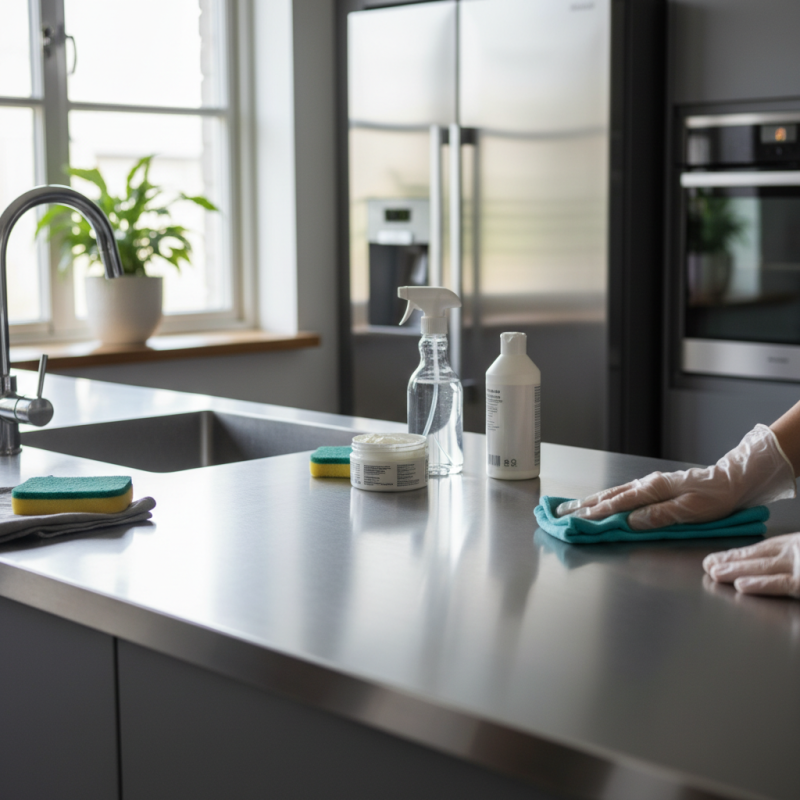
Top 10 Tips to Maintain Stainless Steel for Long Lasting Use?

Understanding the Basics of Stainless Steel Maintenance

Maintaining stainless steel is crucial for its longevity. Understanding the basics can make a significant difference. Stainless steel is known for its durability, but it still requires care. Regular cleaning is essential. Use a soft cloth with warm water and mild soap. Avoid abrasive materials that can scratch the surface.

Stains and fingerprints can be frustrating. They can affect the appearance of your stainless steel items. A mixture of vinegar and water can help. Just spray it on the surface, then wipe it off. This method is effective and safe. Dry the surface thoroughly afterward to prevent water spots.

Oxidation is another concern. Even stainless steel can corrode under certain conditions. If you notice any rust, address it quickly. A gentle scrub with baking soda can often remove rust spots. Remember, maintenance is not a one-time task. Regular attention is necessary to keep your stainless steel looking pristine. It's an ongoing process that requires commitment and care.

Top 10 Tips to Maintain Stainless Steel for Long Lasting Use

Tip No. Maintenance Tip Frequency Description
1 Regular Cleaning Weekly Use a mild dish soap and warm water for regular cleaning.
2 Avoid Harsh Chemicals Always Do not use bleach or other harsh chemicals that can damage the surface.
3 Dry Immediately After Each Use Wipe down surfaces after washing to avoid water spots.
4 Use Soft Cloths Always Use non-abrasive cloths to prevent scratches.
5 Conduct a Deep Clean Monthly Use a specialized stainless steel cleaner for a deeper polish.
6 Cover When Not in Use Always Protect against dust and debris when items are not in use.
7 Avoid Salt and Acidic Substances Always Limit exposure to acids and salts that can cause corrosion.
8 Inspect for Damage Monthly Look for scratches or dents and address them promptly.
9 Use Protective Coatings Annually Apply a protective coating if recommended for durable surfaces.
10 Keep Away from Other Metals Always Store separately to avoid galvanic corrosion.

Regular Cleaning Techniques for Stainless Steel Surfaces

Maintaining stainless steel surfaces is crucial for ensuring their longevity. Regular cleaning can prevent stains and corrosion. Consider using mild soap and warm water. A soft cloth works best to avoid scratches. For tougher spots, a baking soda paste can be effective. Apply it gently and rinse thoroughly.


It’s vital to address fingerprints and smudges promptly. They accumulate quickly and can ruin the aesthetic. A microfiber cloth dampened with vinegar can remove these marks effortlessly. Ensure you wipe in the direction of the grain. This technique preserves the surface's smooth finish.


Regularly drying the surfaces after cleaning is a good practice. Water spots can appear if moisture is left behind. This simple step can extend the life of stainless steel items significantly. Regular upkeep requires discipline, but the results are worth the effort. Ignoring these tasks can lead to long-term damage. Stay proactive to enjoy your stainless steel for years to come.

Avoiding Common Mistakes That Damage Stainless Steel

Stainless steel is known for its durability, but it can still suffer from common mistakes. One major pitfall is using harsh cleaners. Many people reach for abrasive pads or bleach-based products without realizing they can scratch and tarnish the surface. A report by the National Association of Stainless Steel Fabricators highlights that improper cleaning methods can reduce the metal's longevity by over 30%.


Another frequent error is neglecting routine maintenance. Failing to wipe down surfaces after use can lead to stubborn stains. Foods like tomato sauce or salt can cause corrosion if left unattended. Data from the International Stainless Steel Forum indicates that regular maintenance can enhance the lifespan of stainless steel by nearly 50%.


Using the wrong tools can also cause damage. Some people use metal brushes, believing they can effectively clean stubborn spots. However, these can leave marks that compromise the finish. A simplified approach with soft cloths and gentle cleansers preserves both appearance and integrity. Each of these mistakes reminds us that maintaining stainless steel requires attention and care.

Applying Protective Coatings and Treatments for Longevity

Stainless steel is known for its strength and durability. However, proper maintenance is key to ensuring its longevity. Applying protective coatings and treatments can enhance its lifespan and appearance. Various options include sealants and waxes that create a barrier against moisture and contaminants.

One effective tip is to regularly clean the surface with a soft cloth. This helps remove grime and prevents corrosion. For heavier stains, use a gentle abrasive cleaner. Avoid harsh chemical agents that can damage the protective layer. Additionally, consider using a protective wax to give an extra shine while preventing fingerprints.

Be mindful of scratches that can compromise the finish. Address them promptly with a stainless-steel polishing compound. Another suggestion is to apply a protective coating periodically. This adds an extra layer against rust and corrosion. Remember, not all coatings are created equal. Choose products specifically designed for stainless steel to ensure effectiveness. Taking these steps will help you maintain the stainless steel's integrity and beauty for years to come.

Best Practices for Preventing Rust and Corrosion on Stainless Steel

Stainless steel is renowned for its durability and resistance to rust and corrosion. However, neglect can lead to deterioration over time. Regular cleaning is essential. Use warm, soapy water and a soft cloth to remove dirt and grime. Harsh chemicals can damage the surface. Rinsing thoroughly and drying with a soft towel can prevent water spots and chemical buildup.

Pay attention to scratches. They can expose the underlying metal, increasing rust risk. Avoid using abrasive pads. Instead, opt for non-abrasive solutions. When storing stainless steel items, ensure proper ventilation. Moist environments can promote corrosion. Even the smallest amount of moisture can lead to problems. Conduct periodic inspections to identify early signs of rust. Treat any areas promptly to avoid widespread damage.

Consider applying a protective coating. This can provide an extra layer against environmental factors. Be aware that not all coatings are suitable for every application. It's important to research the right option for your needs. Lastly, store stainless steel away from salt water or chlorinated surfaces. These elements can severely compromise integrity. Maintaining attention to these factors can help extend the life of your stainless steel.

Top 10 Tips to Maintain Stainless Steel for Long Lasting Use

FAQS

: What should I avoid when cleaning stainless steel?

: Avoid using harsh cleaners, abrasive pads, and bleach-based products. They can scratch and tarnish the surface.

How can I maintain my stainless steel surfaces?

Wipe down surfaces regularly after use. This prevents stubborn stains and corrosion from foods like salt and tomato sauce.

What tools are best for cleaning stainless steel?

Use soft cloths and gentle cleansers. Metal brushes can leave marks and damage the finish.

How can I prevent rust on stainless steel?

Regularly clean with warm, soapy water, and dry with a soft towel. This removes moisture and prevents rust.

What should I do if I see scratches on my stainless steel?

Address scratches promptly with a stainless-steel polishing compound to avoid increasing the risk of rust.

Is applying a protective coating necessary?

Yes, applying a protective coating can add a layer against rust and corrosion, enhancing the lifespan of stainless steel.

Can environmental factors affect stainless steel?

Yes, storing stainless steel in moist environments can promote corrosion. Proper ventilation is crucial for storage.

How can I treat stubborn stains on stainless steel?

For heavy stains, use a gentle abrasive cleaner. Avoid harsh chemicals to protect the surface.

Are all protective coatings the same?

No, not all coatings are suitable for every application. Research is important to find the right product for stainless steel.

How often should I inspect my stainless steel items?

Conduct periodic inspections to spot early signs of rust and treat them promptly to prevent widespread damage.

Conclusion

Maintaining stainless steel materials for long-term use involves understanding several key practices that ensure their longevity and appearance. Firstly, regular cleaning techniques should be employed to prevent dirt and grime accumulation, using mild detergents and soft cloths to avoid scratches. It's also essential to be aware of common mistakes, such as using abrasive cleaners or steel wool, which can damage the surface.

Additionally, applying protective coatings and treatments can significantly enhance the lifespan of stainless steel surfaces. Best practices for preventing rust and corrosion include ensuring proper drainage and avoiding exposure to harsh environmental conditions. By following these guidelines on how to maintain stainless steel materials for long-term use, you can keep them looking new and functioning effectively for years to come.

Sienna

Sienna

Sienna is a skilled marketing professional with a deep expertise in our company’s core products and services. With a passion for innovation and detail, she plays a pivotal role in crafting insightful blog posts that not only highlight the unique features of our offerings but also provide valuable......