Top 10 Common Applications for Stainless Steel Products?

Time:2026-05-03 Author:Henry
0%

Stainless steel is a versatile material used across various industries. When exploring "what are the common applications of stainless steel products," it's essential to highlight its significance. Industry expert Dr. Jane Simmons notes, “Stainless steel’s resistance to corrosion makes it ideal for both structural and aesthetic applications.”

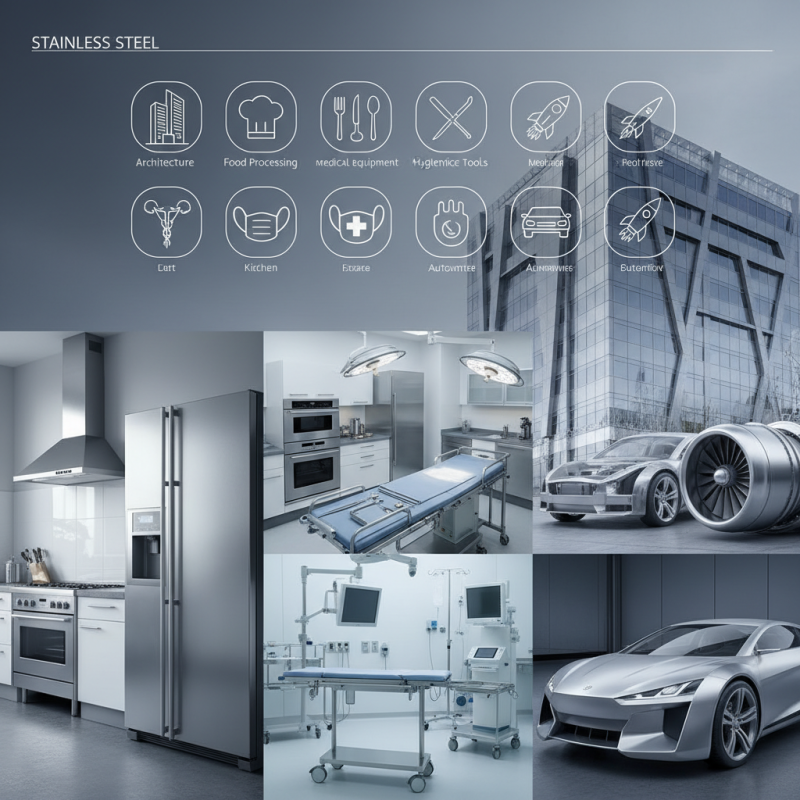
Stainless steel finds applications in architecture, food processing, and medical equipment. Many kitchen appliances, like refrigerators and ovens, are made from this material due to its durability. In hospitals, surgical tools and equipment benefit from stainless steel’s hygienic qualities. Additionally, its use in automotive and aerospace industries demonstrates its reliability.

Understanding "what are the common applications of stainless steel products" reveals the material's adaptability. However, some industries still rely on other metals due to cost issues. Evaluating these limitations can lead to better decision-making for future projects.
Top 10 Common Applications for Stainless Steel Products?

Common Applications of Stainless Steel in Kitchen Equipment

Stainless steel plays a vital role in kitchen equipment due to its unique properties. It resists corrosion, is easy to clean, and can withstand high temperatures. These aspects make it essential in both commercial and residential kitchens. According to a report by the International Stainless Steel Forum, over 70% of stainless steel produced is used in kitchen applications.

One common application is stainless steel countertops. They offer a smooth, non-porous surface that is hygienic and durable. However, the high cost compared to other materials can be a barrier for some. Stainless steel appliances like refrigerators and ovens are also prevalent. Their sleek design enhances the kitchen's aesthetic, but they may dent easily, requiring careful handling.

Cookware is another area where stainless steel excels. Pots and pans distribute heat evenly, but they can retain heat longer than other materials, increasing burn risk. While many prefer these characteristics, novice cooks might struggle with the learning curve. These details highlight both the value and challenges of using stainless steel in kitchen settings.

Top 10 Common Applications for Stainless Steel Products

Application Description Benefits
Kitchen Sinks Durable and easy to clean sinks for residential and commercial use. Corrosion-resistant, modern appearance, easy maintenance.
Cookware Pots, pans, and baking trays used for cooking and baking. Even heat distribution, durable, non-reactive.
Countertops Stylish surfaces for kitchen and food preparation areas. Hygienic, heat-resistant, aesthetically pleasing.
Refrigerators Appliances for storing food at controlled temperatures. Durability, easy cleaning, modern design.
Ovens Cooking appliances that use heat for cooking food. High heat resistance, longevity, modern features.
Dishwashers Appliances designed to clean dishes and utensils. Rust-resistant, easy to clean, efficient.
Cutlery Knives, forks, and spoons made for eating and preparing food. Durable, non-corrosive, maintains sharpness.
Shelving Units Storage systems for kitchen equipment and supplies. Sturdy, corrosion-resistant, maximizes space.
Food Storage Containers Containers used for safe storage of food items. Hygienic, durable, prevents food contamination.
Grills and BBQ Equipment Equipment used for cooking food over a flame or heat source. High heat resistance, corrosion-resistant, easy to clean.

Stainless Steel in Automotive Manufacturing and Parts

Stainless steel plays a vital role in automotive manufacturing. Its corrosion resistance makes it ideal for various parts. From exhaust systems to fuel tanks, stainless steel withstands harsh environments. This ensures longevity and performance for vehicles.

Automakers appreciate its strength-to-weight ratio. Stainless steel allows for lighter parts without sacrificing durability. This aids in fuel efficiency while maintaining safety. Various finishes are available, meeting aesthetic and functional needs. However, the cost can be a concern for some manufacturers.

Using stainless steel requires careful consideration. It can be challenging to work with due to its hardness. Techniques like welding and machining demand skilled labor and specialized equipment. Furthermore, choosing the right alloy is crucial. Each application requires different properties, which may not always align perfectly with the available options. Balancing these factors can be complex, requiring expertise and ongoing reflection on best practices.

Top 10 Common Applications for Stainless Steel Products in Automotive Manufacturing

Use of Stainless Steel in Construction and Architecture

Stainless steel has become a staple in construction and architecture due to its unique properties. Its resistance to corrosion makes it ideal for both indoor and outdoor environments. Buildings exposed to harsh weather benefit greatly from its durability. Structures like bridges and high-rise buildings showcase stainless steel’s strength and aesthetic appeal.

Architects appreciate its versatility. It can be polished to a shine or left with a matte finish. Both options provide beauty without compromising integrity. Stainless steel can be easily molded into different shapes, allowing for creative designs. However, working with this material requires skill. Not every worker can handle it properly. Mistakes in welding or installation can lead to structural flaws.

Sustainability is another important aspect. Stainless steel is recyclable, reducing waste. However, sourcing the material can have environmental impacts. It's vital for architects to consider the life cycle of materials. Choosing the right grade for a specific application can be challenging. Architects must weigh performance against cost. Proper guidance and expertise are crucial during this process.

Stainless Steel Applications in Medical Devices and Equipment

Stainless steel plays a crucial role in medical devices and equipment. It is valued for its durability and resistance to corrosion. According to a report by Grand View Research, the global stainless steel market in healthcare is projected to reach $5 billion by 2025. This highlights its essential role in the medical industry.

Surgical instruments like scalpels and forceps depend on stainless steel for strength. The composition of stainless steel minimizes the risk of contamination during surgeries. Studies suggest that about 90% of surgical instruments are made from stainless steel. However, there are still concerns about the potential for wear and tear over time. Instrument lifespan requires careful monitoring.

In addition to surgical tools, stainless steel is used in medical implants. Examples include orthopedic implants and dental devices. These items must withstand significant stress and exposure to bodily fluids. Research indicates that stainless steel is less prone to fatigue compared to other metals. Yet, its bio-compatibility can vary depending on the alloy composition. It is vital for manufacturers to stay informed about advancements in material science. This ensures the safety and effectiveness of medical devices.

Stainless Steel in Household Items and Appliances

Stainless steel is finding its place in many household items and appliances, enhancing both functionality and aesthetics. This versatile material is used in kitchen utensils, sinks, and appliances like refrigerators and ovens. According to a recent industry report, the global stainless steel market in consumer appliances is projected to reach over $30 billion by 2026, indicating its rising popularity. The material is favored for its durability and resistance to rust and corrosion, making it ideal for everyday use.

When choosing stainless steel products, consider their grade and finish. Higher-grade stainless steel, such as 304 or 316, offers better corrosion resistance. An appliance with a brushed finish will hide fingerprints better than a polished finish, which can be very handy. Regular cleaning with gentle detergents can help maintain the shine and longevity of these products.

One common oversight is neglecting the maintenance of stainless steel items. While stainless steel is robust, it can still stain and dull over time if not cared for properly. Using the right cleaning methods can prevent this. Avoid harsh chemicals and abrasive brushes, as these can scratch the surface. Opt for soft cloths and specialized steel cleaners to keep your items in top condition.

FAQS

: What are the main benefits of using stainless steel in kitchen equipment?

: Stainless steel resists corrosion, is easy to clean, and withstands high temperatures.

Why might someone choose not to use stainless steel countertops?

The high cost compared to other materials can be a barrier for some.

Are stainless steel appliances prone to damage?

Yes, they can dent easily. Careful handling is required to maintain their appearance.

What should novice cooks be cautious about when using stainless steel cookware?

Pots and pans retain heat longer, increasing the risk of burns for inexperienced cooks.

Why is stainless steel important in automotive manufacturing?

Its corrosion resistance ensures longevity and performance in harsh environments.

What challenges do manufacturers face when using stainless steel?

It can be difficult to work with due to hardness, requiring skilled labor and specialized equipment.

How does stainless steel contribute to sustainable practices?

It is recyclable, but sourcing it can have environmental impacts that require consideration.

What is a common issue when working with stainless steel in construction?

Mistakes in welding or installation can lead to structural flaws.

How can stainless steel finishes affect design in architecture?

It can be polished or left matte, allowing architects to choose aesthetics without compromising strength.

Why is choosing the right stainless steel alloy crucial?

Different applications require specific properties, which may not always match available options.

Conclusion

Stainless steel is a versatile material widely used across various industries due to its durability, corrosion resistance, and aesthetic appeal. The common applications of stainless steel products include kitchen equipment, where it is prevalent in utensils, sinks, and appliances that require hygiene and resilience. In the automotive industry, stainless steel is utilized for manufacturing parts that withstand harsh conditions while providing safety and longevity.

Furthermore, stainless steel plays a significant role in construction and architecture, providing structural integrity and an attractive finish to buildings. It is equally essential in medical devices and equipment, where its sterilization capability is crucial for health and safety. Lastly, everyday household items and appliances often feature stainless steel, thanks to its easy maintenance and modern look. In summary, when considering what are the common applications of stainless steel products, one can see its impact across kitchen, automotive, construction, medical, and household domains.

Henry

Henry

Henry is a dedicated marketing professional with a profound expertise in the company's offerings. With years of experience in the industry, he possesses an impressive understanding of the market dynamics and consumer behaviors that drive success. Henry is committed to sharing his insights through......