Stainless steel is essential in the industrial sector. It offers excellent durability and corrosion resistance, making it suitable for a wide range of applications. In the global market, the stainless steel industry is projected to reach $150 billion by 2027, growing at a CAGR of 6.2%. Understanding how to process stainless steel for industrial use is crucial for manufacturers aiming to enhance efficiency and product quality.
Processing methods play a significant role in this growth. Techniques such as welding, machining, and heat treatment determine the final properties of stainless steel parts. According to the International Stainless Steel Forum, over 40 million tons of stainless steel were produced in 2022, highlighting its widespread application in sectors like construction, automotive, and food processing. However, mastering these methods requires skill and experience.
Despite advancements, challenges persist. The complexities in working with stainless steel can lead to inconsistencies. Some processors overlook the importance of proper equipment and training. Hence, exploring the top 10 methods to process stainless steel effectively can help address these issues. It will also ensure manufacturers keep pacing with industry standards, minimizing waste and maximizing efficiency.
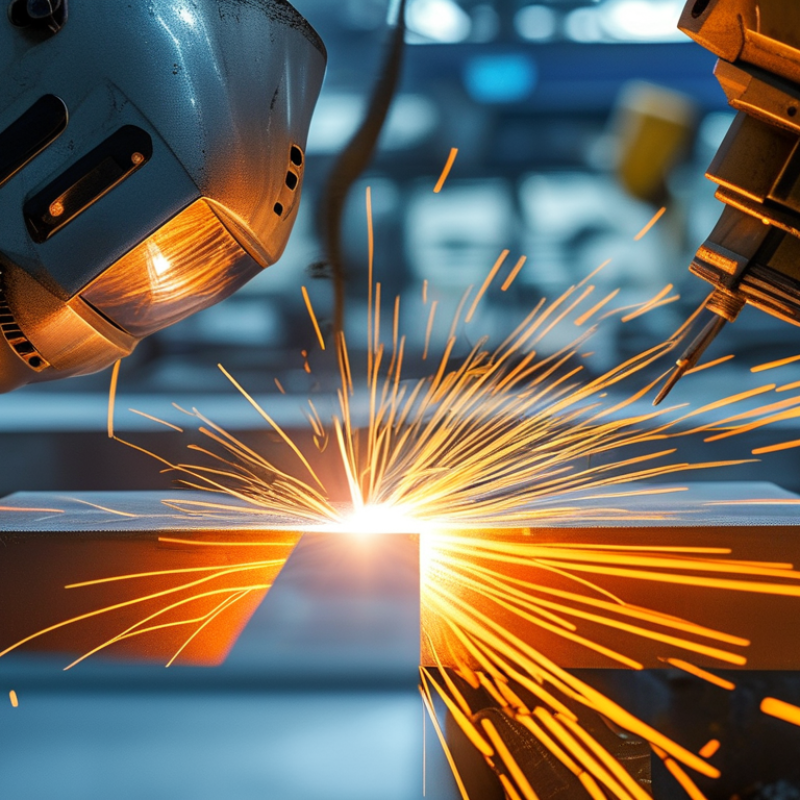
Overview of Stainless Steel Processing Methods
Stainless steel processing involves various methods, each tailored to specific applications in industrial settings.
Metal fabrication often starts with cutting. Techniques like
laser cutting and water jet cutting provide precision.
However, the choice largely depends on thickness and the complexity of the design.
After cutting, shaping methods come into play. Techniques such as bending
and stamping are common. These methods allow for the creation of complex parts.
Heat treatment follows, enhancing the material’s strength and durability. Yet,
achieving the perfect balance can be challenging; improper heating can lead to brittleness.
Welding is another crucial step in stainless steel processing. It joins components and provides structural integrity.
However, not all welding techniques are suitable for every grade of stainless steel. Professionals often face difficulties
selecting the right method. Surface finishing is the final stage, allowing for aesthetic appeal and corrosion resistance.
Chemical treatments are often used, but they must be handled with caution.
Overall, understanding each step enhances the efficiency of stainless steel
processing in industrial applications.
Cutting Techniques for Stainless Steel: Tools and Types
Cutting stainless steel requires precision and the right tools. Most industries turn to three primary cutting techniques:
laser cutting, water jet cutting, and plasma cutting. Each method has distinct advantages and limitations. For example,
laser cutting offers high precision but can struggle with thicker materials. In contrast,
water jet cutting is versatile and effective for varied thicknesses, though it may be slower.
According to industry reports, laser cutting accounts for nearly 30% of stainless steel processing applications. This method is favored for its
clean edges and minimal thermal distortion. Plasma cutting, meanwhile, is efficient for high-volume
production but can produce rougher finishes. Studies indicate that plasma cutting is suitable for materials up to 1 inch thick, making it
popular for many industrial applications.
Notably, the choice of cutting method should depend on the project requirements. Factors include thickness, desired finish, and production speed. The industry often sees
inconsistencies in finish quality, particularly with methods like plasma cutting. Evaluating these aspects can lead to
more effective processes and better end products.
Welding Methods for Stainless Steel: Standards and Applications
Welding stainless steel requires precision and skill. There are various methods, each suited for specific applications. These techniques ensure strong and durable joints, essential in many industries.
TIG welding, for instance, offers excellent control. It is ideal for thin materials. This method ensures minimal distortion, preserving the integrity of the stainless steel. However, it requires a steady hand and focused attention.
MIG welding is faster and easier to learn. It is suitable for thicker sections of stainless steel. While it may not provide the same level of control as TIG, it can be effective with proper settings. The downside is the potential for more visible welds, which might not suit all applications.
Shielded Metal Arc Welding (SMAW) is another option. It is widely used in construction and repair work. SMAW is versatile but can produce more slag, requiring extra cleaning. Each method has its strengths and weaknesses. Selecting the right technique is crucial for successful outcomes.
Surface Treatment Options for Stainless Steel: Finishing Processes
Surface treatment is crucial for stainless steel in industrial applications. Different processes enhance durability and appearance. Common methods include
passivation, polishing, and electroplating. According to industry reports, over 50% of stainless steel products undergo surface treatment before use.
Passivation removes free iron and enhances corrosion resistance. It involves treating the metal with acid solutions. This process can increase the lifespan of stainless steel components significantly.
Polishing provides a smooth surface, reducing contaminants. This technique also improves aesthetic appeal and is important in industries like food processing. The
International Stainless Steel Forum (ISSF) notes that polished surfaces can reduce bacterial growth by up to
90%.
Electroplating adds a layer of metal such as nickel or chrome. This not only improves corrosion resistance but also enhances surface hardness. Despite these benefits, not all methods are without challenges.
For instance, inconsistencies in the coating can lead to future failures. The importance of thorough quality control cannot be overstated. Overall, selecting the right surface treatment is key. It requires balancing cost, performance, and the specific application needs.
Quality Control Measures in Stainless Steel Processing Techniques
Quality control in stainless steel processing is essential for maintaining industry standards. Each step can affect the final product's durability and aesthetics. Monitoring the process ensures that any defects are identified early. This avoids costly rework and enhances efficiency.
Tip: Regularly inspect raw materials for flexibility and hardness. This simple check can prevent issues in later stages. Using calibrated instruments is crucial for accurate assessments.
Moreover, employing non-destructive testing methods helps ensure structural integrity. Techniques like ultrasonic testing provide insights without damaging the material. Implementing these measures can save time and resources.
Tip: Train staff regularly on quality control practices. Well-informed employees contribute significantly to defect reduction. They are the first line of defense against errors in processing.
Incorporating feedback loops is vital, too. Collecting data during production can highlight recurring problems. Adjustments based on these insights allow for continuous improvement in your processing techniques.
FAQS
: Welding methods ensure strong, durable joints. They are crucial in many industries, affecting overall product quality.
TIG welding is ideal for thin materials. It offers excellent control and minimizes distortion in the stainless steel.
TIG welding requires a steady hand. Focused attention is also essential for precision and quality.
MIG welding is faster and easier. It suits thicker stainless steel sections but may lack TIG's control quality.
MIG welding may produce more visible welds. This might not be suitable for all applications, requiring careful consideration.
SMAW is often used in construction and repair work. Its versatility makes it a popular choice in those industries.
Regular inspections of raw materials and calibrated instruments are crucial. They help ensure durability and aesthetic standards.
Well-informed employees reduce defects effectively. They can identify issues early, preventing costly rework in the processing stages.
These methods, like ultrasonic testing, check material integrity without causing damage. This saves time and resources in production.
Feedback loops collect production data, highlighting recurring problems. Adjustments based on this data promote continuous improvement.
Conclusion
Understanding how to process stainless steel for industrial use involves several key techniques that ensure quality and efficiency. The article outlines various methods including cutting techniques that utilize specific tools and types tailored for stainless steel, ensuring precision and cleanliness in the cuts. Additionally, welding methods are discussed, highlighting standards and applications that maintain structural integrity and reliability in the final products.
Surface treatment options are critical as well, focusing on finishing processes that enhance both the aesthetic appeal and durability of stainless steel. Finally, the article emphasizes the importance of implementing rigorous quality control measures throughout the processing techniques to ensure that the final output meets industry standards. Together, these methods form a comprehensive guide for efficiently processing stainless steel in industrial settings.

 TEDDI STEEL