Stainless steel surfaces are often praised for their sleek look and durability. However, keeping them clean and polished can be challenging. Paul Smith, a leading expert in home maintenance, once said, “A clean surface speaks volumes about the care you put into your home.” This statement emphasizes the importance of knowing how to clean and polish stainless steel surfaces effectively.
Many homeowners struggle with fingerprints, streaks, and dullness. These issues are common but not insurmountable. Understanding the right techniques and products is crucial for maintaining the shine of stainless steel appliances and fixtures. It requires knowledge, experience, and sometimes a bit of trial and error.
Cleaning doesn't have to be a tedious chore. With the right tips and tools, anyone can achieve sparkling results. It is essential to consider both the products used and the methods employed. Learn from mistakes and refine your approach for better outcomes. With dedication, you can transform those stainless steel surfaces into the gleaming highlights of your space.
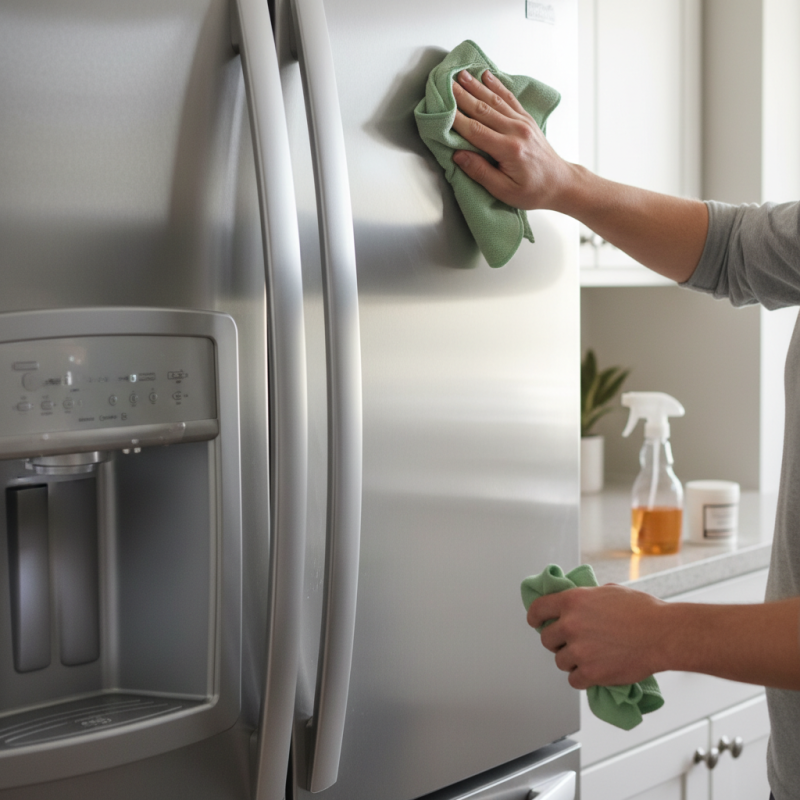
When it comes to cleaning and polishing stainless steel surfaces, selecting the right cleaning products is crucial. Many people overlook the specific needs of stainless steel, which can lead to damage. Use gentle cleaners that do not contain harsh acids or chlorine. A mild dish soap diluted in warm water is a common recommendation. Additionally, you can try natural options like vinegar or baking soda for a safer choice.
Microfiber cloths are ideal for applying cleaners. They help avoid scratching the surface while effectively picking up dirt and grime. Always test any new product in a small area. Even products labeled as safe might not work well with your particular surface. Be cautious, as some cleaners may leave streaks.
People often make mistakes by using abrasive scrubbers. These can create unsightly scratches. It's essential to invest time in selecting the right products and techniques. A little research goes a long way. If in doubt, consult professionals who specialize in stainless steel care. They have the experience needed to guide you. Through observation and practice, you can find a routine that keeps your stainless steel looking pristine.
Cleaning and polishing stainless steel surfaces requires the right tools to achieve that gleaming finish. Start with microfiber cloths. These are soft and non-abrasive, making them perfect for avoiding scratches. Keep several on hand for different stages of the cleaning process. A good pair of rubber gloves protects your hands from chemicals. They also give you a better grip for more control while cleaning.
Next, consider using a gentle cleaner specifically designed for stainless steel. Surfactants in these products lift dirt without damaging the surface. Another essential tool is a soft-bristle brush. This helps to get into crevices and remove grime stuck in hard-to-reach places. Occasionally, a stainless steel polisher can enhance shine, though overuse may lead to a buildup of residue.
Lastly, always have water nearby. Rinsing the surface thoroughly is crucial. It removes any traces of cleaner or polish. Many people overlook this step, which can lead to streaking. Remember, using the right tools makes all the difference. You may invest time in perfecting this process, but the results can be rewarding.
Cleaning stainless steel surfaces can seem daunting, but it doesn't have to be. It's essential to use the right methods to avoid scratches and streaks. Stainless steel is prone to fingerprints and smudges, which can be particularly frustrating. To tackle this, try a simple mixture of vinegar and water. Spray it on the surface, then wipe with a soft cloth. This method is effective and non-toxic.
For tougher stains, a gentle abrasive like baking soda can work wonders. Create a paste by mixing baking soda with water. Apply the paste to the stain and scrub gently with a non-abrasive pad. Rinse thoroughly and dry with a microfiber cloth. This not only cleans but also polishes the surface.
Here are some quick tips: always wipe in the direction of the grain to prevent scratches. Avoid using steel wool, as it can cause permanent damage. If you encounter stubborn marks, do not hesitate to repeat the cleaning process. Reflect on your method and make adjustments as needed. With these simple steps, your stainless steel surfaces can shine beautifully.
Polishing stainless steel surfaces can be a tricky task. To achieve a mirror-like finish, avoiding scratches is crucial. According to industry reports, using improper techniques can lead to permanent blemishes. Stainless steel is durable, yet it is susceptible to scratches from abrasive materials.
There are several effective tips to ensure a smooth process. Use a soft microfiber cloth to apply polish. This minimizes the risk of scratching. Keep the cloth clean; dirt can cause unwanted damage. When polishing, always move in the direction of the grain. Steel surfaces have a natural grain pattern. Following it prevents scratches from forming.
Also, remember to choose the right polish. Many experts suggest using a non-abrasive cleaner. It can effectively remove stains without risking surface scratches. Regular maintenance is essential. Frequent cleaning helps avoid buildup that can lead to scratches. While the process may appear simple, attention to detail is key. Inadequate care can lead to regrettable results. A consistent routine can keep stainless surfaces looking pristine.
| Tip Number | Tip Title | Description | Avoiding Scratches |
|---|---|---|---|
| 1 | Use Soft Cloth | Always use a soft microfiber cloth to clean and polish. | Reduces risk of scratching the surface. |
| 2 | Avoid Abrasive Cleaners | Do not use cleaners containing bleach or chlorine. | Prevents damage that leads to scratches. |
| 3 | Wipe with Grain | Polish in the direction of the grain of the steel. | Helps avoid scratches and preserves finish. |
| 4 | Use Vinegar | Apply vinegar for natural cleaning and shine. | Safe on surfaces, preventing scratches. |
| 5 | Dry Thoroughly | Always dry stainless steel surfaces completely after cleaning. | Helps prevent water spots and scratching. |
| 6 | Use Plastic Scrubbers | Opt for plastic instead of metal scrubbers. | Minimizes risk of scratches on surfaces. |
| 7 | Avoid Heavy Pressure | Gently clean the surface without heavy scrubbing. | Reduces chance of creating scratches. |
| 8 | Regular Maintenance | Regularly clean surfaces to prevent buildup. | Less frequent deep cleaning reduces scratches. |
| 9 | Use a Quality Polish | Invest in a quality stainless steel polish. | Protects finish and reduces scratches. |
| 10 | Store Properly | Store items in a way that prevents contact. | Prevents scratches from other items. |
Cleaning and polishing stainless steel surfaces can seem daunting, but with regular care, it becomes manageable. One key tip is to use warm, soapy water for daily cleaning. This helps remove fingerprints and smudges quickly. Microfiber cloths are recommended as they are gentle and effective. They reduce scratches while enhancing the shine without leaving lint behind.
For tough stains, a paste of baking soda and water works wonders. Apply it to the stained area, let it sit briefly, and wipe gently. Rinse thoroughly to prevent any residue. Regular polishing with a light touch maintains that mirror finish. Over-polishing can cause more harm than good. It’s essential to find a balance that works for your surface.
Despite your best efforts, some marks may persist. This is a common issue and often requires patience. If you're not achieving the desired shine, don’t hesitate to reassess your methods. Learning what works best for your stainless steel is an ongoing journey. Each surface can react differently, and finding the right routine is critical for lasting beauty.
: Microfiber cloths, rubber gloves, gentle cleaners, soft-bristle brushes, and water are essential tools.
They are soft, non-abrasive, and help prevent scratches while cleaning.
A paste of baking soda and water can effectively lift tough stains.
Always rinse the surface thoroughly to avoid streaking and residue.
Regular polishing is key, but over-polishing can lead to damage.
Each stainless steel surface reacts differently; finding the right routine takes time.
No, use gentle cleaners designed for stainless steel to avoid damage.
Use warm, soapy water and microfiber cloths for daily cleaning.
This is common; patience and reassessment of cleaning methods may be necessary.
It can seem daunting, but regular care makes it manageable.
In the article titled "China Top 10 Tips for Cleaning and Polishing Stainless Steel Surfaces," readers are guided through an effective process on how to clean and polish stainless steel surfaces. It begins with choosing the right cleaning products that are gentle yet effective, followed by an overview of essential tools that enhance the cleaning experience. The article provides a detailed, step-by-step guide for tackling common stains on stainless steel, ensuring that the surfaces remain immaculate.
Additionally, the article emphasizes the importance of proper polishing techniques to avoid scratches, which can mar the sheen of stainless steel. To maintain that polished look, it offers regular care tips that help preserve the surface's shine over time. Overall, this comprehensive guide serves as a valuable resource for anyone looking to improve their stainless steel maintenance skills.

TEDDI STEEL