Top 10 Ways to Reduce Costs When Sourcing Stainless Steel?

Time:2026-06-22 Author:Charlotte
0%

When considering how to reduce costs when sourcing stainless steel, it is essential to explore various strategies. Stainless steel is a popular choice due to its durability and corrosion resistance. However, the costs associated with sourcing can be significant. Understanding the market dynamics is crucial.

Many businesses overlook the importance of quality over price. The temptation to go for the lowest bid can lead to subpar materials. Substandard stainless steel can result in increased maintenance costs and reduced lifespan. Thus, it's vital to focus on suppliers with a solid reputation.

Establishing long-term relationships with vendors can also lead to greater savings. A reliable supplier may offer discounts for bulk orders. Furthermore, leveraging technology for procurement can streamline processes. Automated systems can provide real-time pricing information, helping businesses make informed decisions on how to reduce costs when sourcing stainless steel. A thoughtful approach ensures quality while maintaining budget-friendly solutions.
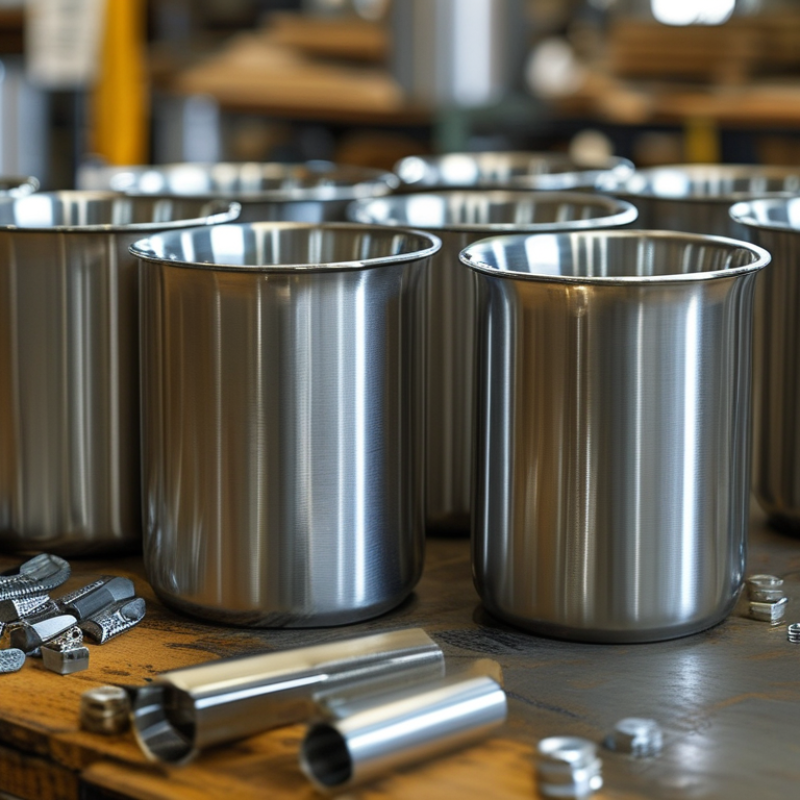
Top 10 Ways to Reduce Costs When Sourcing Stainless Steel?

Identify Reliable Suppliers to Drive Competitive Pricing

Finding reliable suppliers is crucial when sourcing stainless steel. A dependable partner can significantly reduce costs and boost quality. Start by researching potential suppliers in your region. Use online platforms and industry forums to gather recommendations. Look for suppliers with a solid track record in stainless steel production. Reviews and testimonials are valuable for assessing their reliability.

Once you identify potential suppliers, vet them carefully. Request samples to examine the quality of their products. Quality assurance processes should be a priority. A good supplier will be transparent about their sourcing and production methods. Personal visits to facilities can help you gauge their operations. Consider their customer service as well. Timely communication can prevent costly misunderstandings.

Be aware that not all suppliers are created equal. Some may offer low prices but compromise on quality. Look beyond cost; ensure that your partner understands your needs. Building a strong relationship with your supplier fosters trust. This can lead to better pricing and favorable terms. Reflect on your priorities—key aspects should include reliability, quality, and cost-effectiveness.

Negotiate Bulk Purchase Discounts for Cost Savings

Negotiating bulk purchase discounts can lead to significant cost savings when sourcing stainless steel. Larger orders often attract better pricing and favorable terms. Suppliers are keen to secure high-volume deals, which can benefit both parties. However, it is essential to approach negotiations with clear goals. Understand your requirements and the market conditions thoroughly.

When discussing prices, be prepared to question standard rates. Gather quotes from multiple suppliers. This information can give you leverage during negotiations. Aim for competitive pricing but remain realistic. Not all suppliers will match the lowest bid. Building relationships with suppliers is vital. A strong rapport may lead to additional discounts or terms that create long-term savings.

Consider the entire cost of sourcing, not just the price per unit. Look into shipping costs, lead times, and payment terms. Sometimes, a lower unit price can come with hidden costs. Be mindful of minimum order quantities as well. They can lead to overstocking. Regular communication with suppliers can foster trust and ensure you remain updated on best practices in sourcing. This can lead to continuous improvements in cost management.

Evaluate Alternative Sourcing Locations for Better Rates

When evaluating alternative sourcing locations for stainless steel, companies should explore emerging markets. Countries like India and Vietnam offer competitive pricing. These regions have developed manufacturing capabilities. They also provide access to high-quality materials. However, assessing the long-term reliability of these locations is crucial. There may be hidden costs in logistics or tariffs that can offset initial savings.

Local suppliers can also be an option. Sourcing from nearby suppliers can reduce shipping costs and lead times. This approach helps in establishing strong relationships and quicker communication. It's essential to visit potential suppliers to gauge their capabilities and reliability. But this process takes time and resources. Companies might risk facing quality issues if they rush the decision.

While new sources present opportunities, they often come with challenges. Currency fluctuations can affect pricing stability over time. Companies must analyze market trends carefully. Understanding the local economic conditions is vital for successful sourcing. Emphasizing thorough research and continuous monitoring is essential for making informed decisions.

Top 10 Ways to Reduce Costs When Sourcing Stainless Steel

Optimize Material Specifications to Reduce Waste Costs

When sourcing stainless steel, optimizing material specifications can significantly reduce waste costs. According to a report by the International Stainless Steel Forum, improper material selection can lead to a 30% increase in scrap rates. This highlights the importance of choosing the right specifications that match the intended application.

Using precise material grades can minimize excess waste. For instance, projects with stricter tolerances require higher quality grades, but they also yield less waste. Research from the World Steel Association indicates that optimizing specs can reduce production costs by 15-20%. However, some companies overlook the risk of over-engineering materials beyond project needs, leading to unnecessary expenditures.

Moreover, revisiting design features is crucial. Simplifying designs can help eliminate unnecessary material without compromising integrity. In a recent case study, a manufacturer reduced their costs by 25% through adjustments in design and material grades. This emphasizes a pivotal but often ignored reflection point: continuous evaluation of material needs ensures sustainability and financial efficiency. Balancing quality, cost, and environmental impact requires a strategic approach that many still struggle with.

Implement Inventory Management Practices to Minimize Overhead

Effective inventory management is essential when sourcing stainless steel. With rising costs, businesses must assess their inventory practices. Studies show that companies with optimized inventory can reduce holding costs by up to 30%. Having too much stock leads to increased overhead. This impacts cash flow and overall operational efficiency.

Monitoring inventory turnover can aid decision-making. A report from the Supply Chain Management Institute claims that effective turnover rates increase profitability. Companies should implement systems for real-time tracking. This minimizes excess stock and prevents shortages. Proper forecasting can reduce unnecessary orders, aligning inventory levels with demand.

Establishing regular reviews of inventory processes is vital. For example, conducting audits can reveal slow-moving items. Companies often overlook these products, leading to capital lock-in. Engaging employees in inventory management fosters accountability. Collaborative approaches can uncover inefficiencies and improve overall performance. By prioritizing inventory management, businesses can achieve significant cost savings over time.

Top 10 Ways to Reduce Costs When Sourcing Stainless Steel

Method Description Cost Saving Potential (%) Implementation Time
Bulk Purchasing Buy in large quantities to negotiate better prices. 15-20% 1-3 months
Supplier Collaboration Work closely with suppliers to optimize pricing. 10-15% Ongoing
Inventory Management Implement systems to track inventory levels and reduce excess. 12-18% 3-6 months
Alternative Materials Use lower-cost substitutes where possible without sacrificing quality. 5-10% 1-2 months
Supplier Audits Regular audits to ensure competitive pricing and quality. 8-12% Ongoing
Leverage Technology Utilize software for procurement and supply chain management. 10-15% 2-4 months
Negotiate Contracts Regularly review and negotiate supplier contracts to achieve better terms. 8-13% 1 month
Streamline Processes Reduce waste and optimize the sourcing process to save costs. 10-15% 3-5 months
Outsource Non-Core Activities Outsource functions that can be done more efficiently by others. 5-10% 1-2 months
Continuous Improvement Adopt a culture of ongoing process improvement. Variable Ongoing

FAQS

: How can I find reliable suppliers for stainless steel?

: Research local suppliers online and seek recommendations on industry forums.

What should I look for in a supplier?

Focus on their track record, quality assurance processes, and customer service responsiveness.

Why are supplier reviews important?

Reviews and testimonials help assess a supplier's reliability and product quality.

How do I vet a potential supplier?

Request product samples and visit their facilities to evaluate operations and quality.

What is a common mistake when choosing a supplier?

Some choose solely based on low prices, ignoring quality and reliability.

How can bulk purchase discounts help?

They can significantly lower costs, especially for larger orders and high-volume deals.

What should I prepare for negotiations?

Gather quotes from multiple suppliers to understand market rates and leverage during talks.

Why is it essential to consider total sourcing costs?

Lower unit prices may hide additional costs like shipping and delayed lead times.

How can I build a better relationship with my supplier?

Regular communication fosters trust and may lead to more favorable discounts and terms.

What key factors should I reflect on when sourcing?

Reliability, quality, and cost-effectiveness are essential for a successful partnership.

Conclusion

In the quest for how to reduce costs when sourcing stainless steel, businesses can implement several strategic approaches. First, identifying reliable suppliers is essential to ensure competitive pricing through strong relationships. Negotiating bulk purchase discounts can lead to significant cost savings, particularly when sourcing large quantities of materials.

Additionally, exploring alternative sourcing locations may uncover better rates and more favorable terms. It's also crucial to optimize material specifications, which helps reduce waste costs and enhances overall efficiency. Finally, establishing effective inventory management practices minimizes overhead costs and ensures that resources are used wisely. By adopting these methods, companies can achieve substantial savings while maintaining quality in their stainless steel sourcing.

Charlotte

Charlotte

Charlotte is a seasoned marketing professional with a deep understanding of the company's portfolio and a passion for elevating its presence in the market. With a keen eye for detail and a commitment to excellence, she ensures that our professional blog is regularly updated with insightful articles......