Premium industrial products engineered for structural integrity and corrosion resistance across various applications.
Unpacking supply trends, environmental pressure, and advanced engineering requirements in modern emissions systems.
Tier-1 automotive manufacturers are demanding higher performance alloys. As fuel efficiencies increase, combustion temperatures rise. Standard ferritic options are being replaced by high-chromium and stabilized grades to counter high-temp oxidation and cyclic thermal fatigue.
Salty marine atmospheres combined with hot engine exhaust condensate generate a highly corrosive sulfur-rich acid mixture. Manufacturers must deploy high-nickel, high-molybdenum austenitic stainless steel like 316L to guarantee pipeline longevity in wet exhaust applications.
Fleet operators prioritize uptime. With EPA 2024 and Euro VII rules, exhaust systems must houses larger, more complex Selective Catalytic Reduction (SCR) devices, requiring highly durable structural stainless tubing that resists both structural vibration and internal scaling.
Choosing the appropriate alloy grade is critical to balanced cost-efficiency, thermal cycling capability, and mechanical strength.
| Steel Grade | Structure Type | Key Chemistry | Max Temp Limit | Corrosion Resistance | Primary Exhaust Application |
|---|---|---|---|---|---|
| AISI 409 | Ferritic | 11% Cr, Ti Stabilized | 650°C | Moderate (Dry gas) | Catalytic converter shells, mufflers, downpipes |
| AISI 439 | Ferritic | 18% Cr, Dual Stabilized | 800°C | High (Good oxidation) | Exhaust manifolds, front pipes, converter cones |
| AISI 304 | Austenitic | 18% Cr, 8% Ni | 870°C | Excellent (Atmospheric) | High-performance tips, tailpipes, mandrel bends |
| AISI 316L | Austenitic | 17% Cr, 12% Ni, 2.5% Mo | 850°C | Superior (Chlorides/Acids) | Marine wet exhaust, high-sulfur diesel applications |
| AISI 321 | Austenitic | 18% Cr, 9% Ni, Ti Stabilized | 900°C | Outstanding (No sensitization) | Turbocharged downpipes, wastegates, aircraft manifolds |
How distinct environments alter design considerations, wall thicknesses, and weld engineering.
Vehicles in cold-climate regions face extreme corrosive environments due to de-icing salts (magnesium and sodium chlorides) on winter roads. Additionally, thermal shock occurs when ice-cold water splashes onto hot exhaust tubes.
Solution: A hybrid exhaust configuration. The cold-end tailpipe and silencer elements are manufactured from 304 stainless steel to prevent external scaling and rust, while the hotter front-end is constructed from 439 or 441 ferritic steel to accommodate thermal expansion cycles without cracking.
Coastal generators run continuous exhaust networks exposed to moisture-laden ocean breezes. Atmospheric salt deposits build up rapidly.
Solution: Standard 304 will exhibit rapid tea-staining and localized pitting. We specify AISI 316L containing a minimum of 2.0% Molybdenum. Tubes are passivation-washed to produce a dense chromium-oxide layer, preventing salt aerosol ingress.
Exhaust gas temperature (EGT) in modified turbocharged gasoline engines frequently peaks at 950°C to 1050°C.
Solution: Under these thermal loads, standard 304 scales heavily and loses tensile strength, leading to crack formation at weld lines. We utilize titanium-stabilized AISI 321 or premium Inconel alloys. Heavy wall-thickness profiles (1.8mm - 2.2mm) are mandrel-bent to maintain consistent inner diameters and lower backpressure.
Stop-and-go municipal transport generates lower operational exhaust temperatures, leading to condensate accumulation inside exhaust pipes. When mixed with diesel particulate residues, this creates a highly acidic cocktail.
Solution: Specifying low-carbon dual-phase stainless steels. The chemical layout resists sulfuric and nitric acid condensates, extending component lifetime in start-stop schedules.
Why leading global tier-1 buyers choose Chinese manufacturing clusters for industrial metal and custom-tailored solutions.
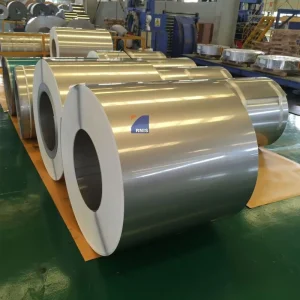
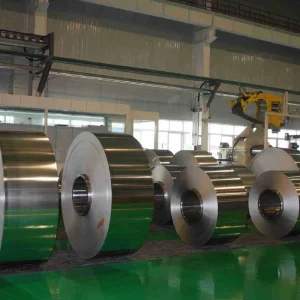
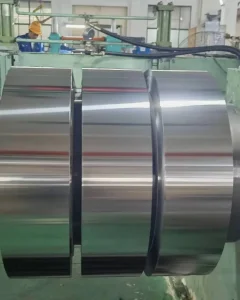
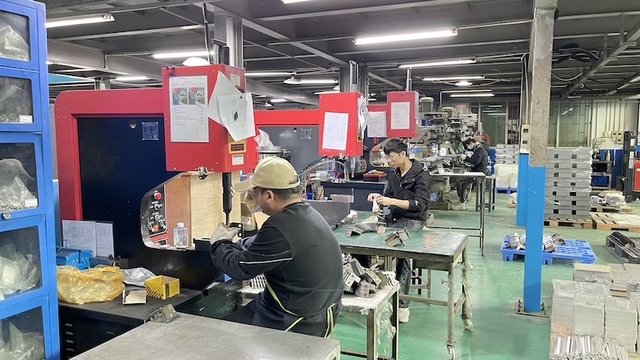
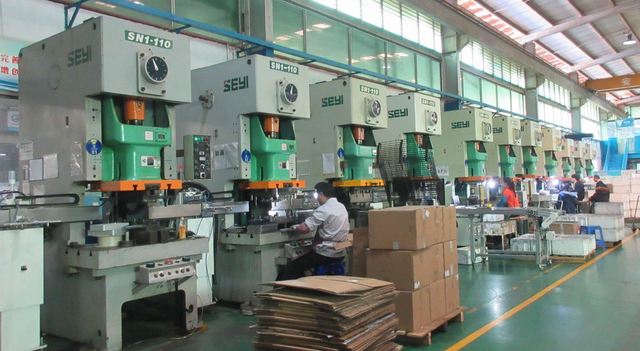
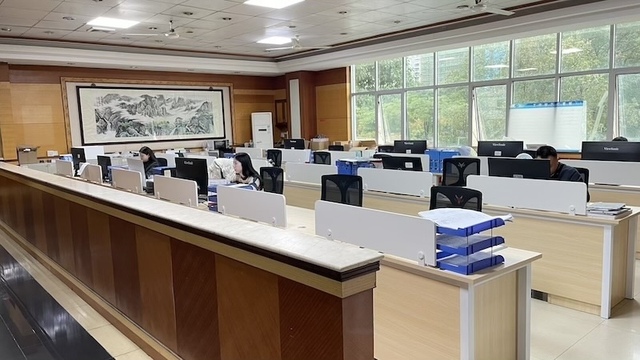
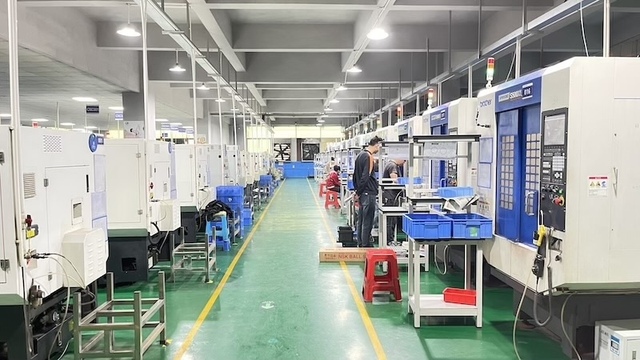
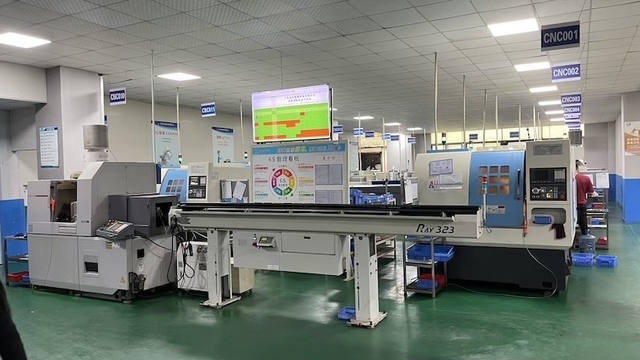
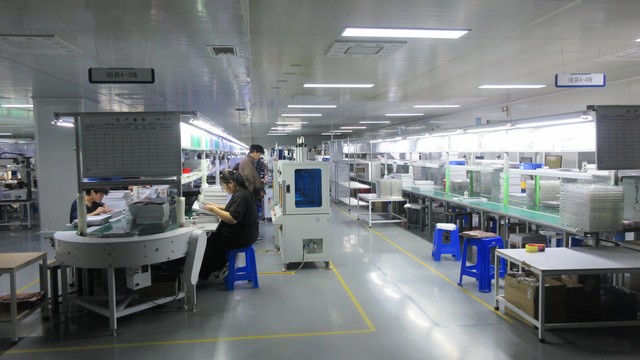
Dongguan TEDDI STEEL operates as a highly integrated hub. From raw hot-rolled or cold-rolled coils, precision slitting, structural profile shaping, and finishing, all steps are controlled under one roof. This minimizes transportation delays, reduces material handling defects, and ensures structural consistency.
Automated longitudinal laser welding systems deliver uniform weld beads. Microstructural analysis confirms the weld seam matches parent-metal physical properties. Post-weld annealing ensures the elimination of weld-induced stresses, preventing failure during field bending or expansion.
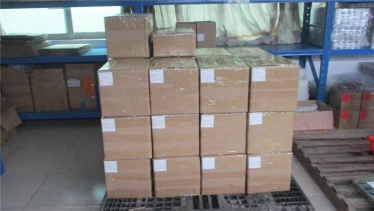
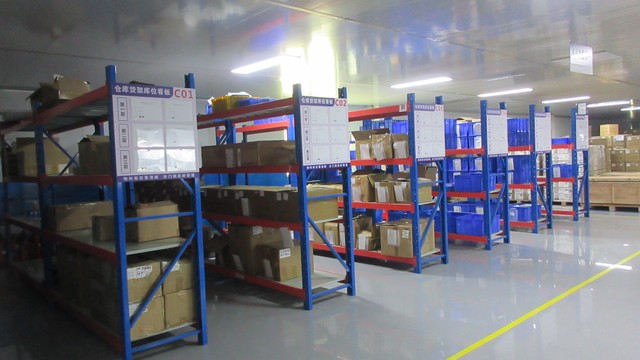
Located in the heart of Guangdong's industrial cluster, TEDDI STEEL benefits from rapid transport networks to Shenzhen, Guangzhou, and Hong Kong ports. Our logistics team handles customs paperwork, multi-modal routes, and protective sea-packaging to deliver goods on schedule.
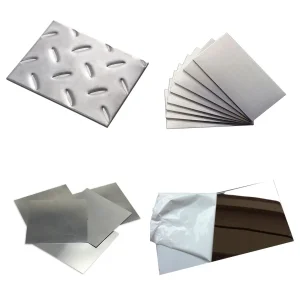
Dongguan TEDDI STEEL Co., Ltd. is a professional stainless steel manufacturer and global supplier specializing in stainless steel plates, coils, pipes, tubes, and a wide range of industrial metal materials. The company is committed to providing high-quality stainless steel products that meet the demanding requirements of industries such as construction, automotive, machinery, energy, food processing, and chemical engineering.
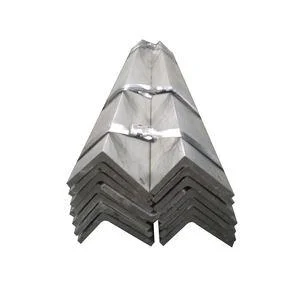
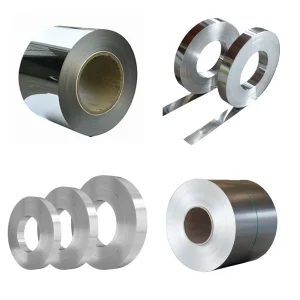
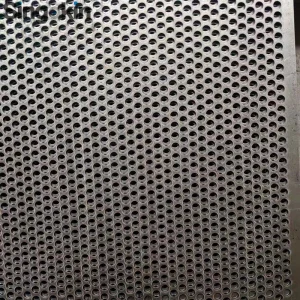
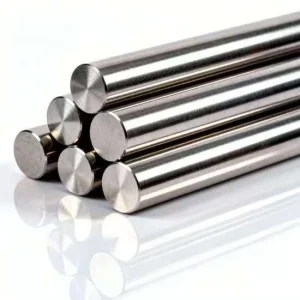
TEDDI STEEL offers an extensive product portfolio including stainless steel sheets, cold rolled and hot rolled coils, seamless and welded pipes, precision tubes, bars, and customized metal solutions. All products are manufactured using premium raw materials and advanced processing techniques to ensure excellent corrosion resistance, durability, and mechanical performance across various applications.
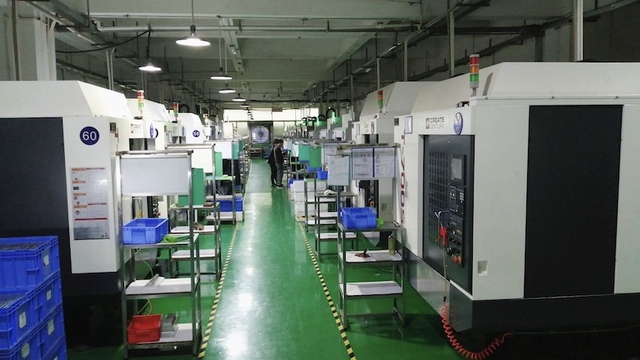
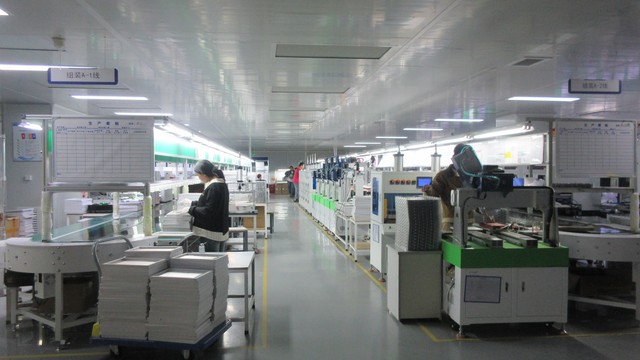
Equipped with modern production facilities, advanced slitting, cutting, and finishing lines, as well as strict quality inspection systems, Dongguan TEDDI STEEL Co., Ltd. ensures consistent product quality and reliable supply capabilities. The company adheres to international standards and implements rigorous testing procedures to meet customer specifications and industry requirements. In addition to standard products, TEDDI STEEL provides flexible customization and OEM services, supporting clients with tailored dimensions, surface finishes, and packaging solutions. With a strong focus on quality, efficiency, and customer satisfaction, the company continues to serve as a trusted partner for stainless steel and industrial metal material solutions worldwide.
Anticipating emissions regulations, decarbonization targets, and the shifting dynamics of industrial metal usage.
Hydrogen-fueled internal combustion engines (H2-ICE) produce water vapor as their primary byproduct. This creates a high-moisture exhaust stream containing trace nitric acid, requiring corrosion-resistant alloys. Standard ferritic options are being replaced by high-nickel stabilized grades to counter corrosion.
Reducing exhaust system mass remains a key method for decreasing vehicle emissions. Advanced hydroforming processes allow for complex single-piece exhaust geometries using 0.8mm to 1.0mm thin-wall high-strength alloys. This eliminates welded joints, reduces weight, and optimizes exhaust gas flow.
With Carbon Border Adjustment Mechanisms (CBAM) launching in Europe, exhaust manufacturers must source low-carbon steel. Factory investments in electric arc furnace (EAF) technologies powered by renewable energy will be key to retaining export access.
How our manufacturing lines comply with international safety, engineering, and environmental certifications.
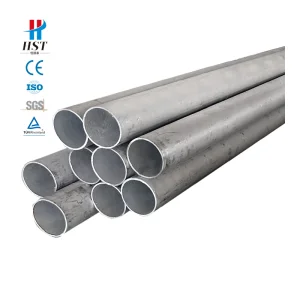
All exhaust tubing is produced to meet ASTM A554 (welded mechanical tubing) or EN 10217-7 specifications. Mechanical testing confirms tensile strength, elongation, and yield limits.
Our raw materials undergo strict chemical testing to ensure lead, mercury, hexavalent chromium, and polybrominated biphenyls fall well below safe limit standards.
Eddy Current testing is performed online for welded tubing. Ultrasonic testing is available for high-pressure seamless tubing to identify subsurface micro-voids.
Every batch is shipped with a Mill Test Certificate (MTR) detailing chemical analysis (heat number traceable) and physical test results, confirming mechanical integrity.
Get professional metallurgical and logistical answers directly from our technical team.
Discover our comprehensive range of stainless steel products designed for demanding industrial applications.
 TEDDI STEEL