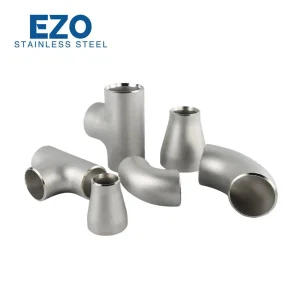
The global stainless steel sockets and fittings market is witnessing unprecedented growth, driven by the expansion of the energy sector and heavy industrialization. As a core component in piping systems, the demand for high-grade 304 and 316 stainless steel sockets has surged in North America, Europe, and Southeast Asia. The shift towards sustainable infrastructure requires materials that offer longevity and minimal maintenance.
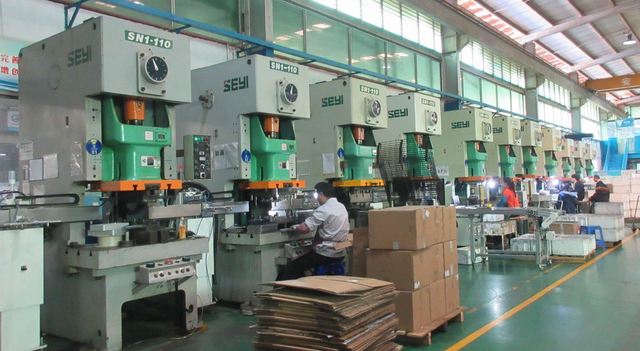
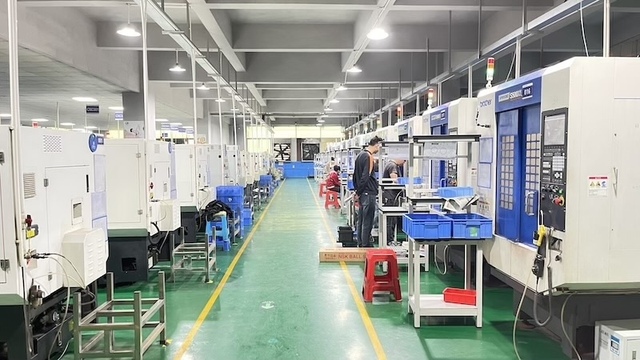
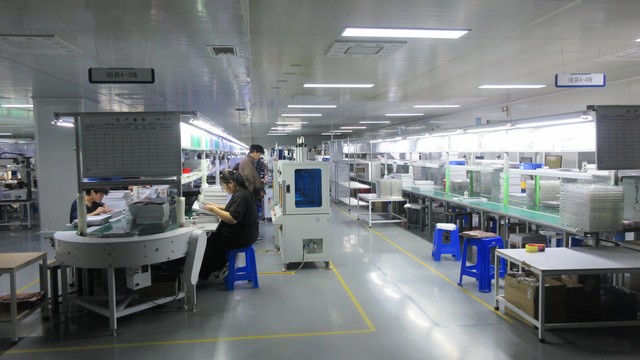
Modern industrial applications now demand precision that was previously impossible. With the integration of CNC machining and advanced forging techniques, China-based exporters like Dongguan TEDDI STEEL Co., Ltd. are now producing sockets with tighter tolerances and superior surface finishes. This evolution is critical for industries involving high-pressure fluids and corrosive chemicals.
Sustainability is no longer a choice but a requirement. Stainless steel is 100% recyclable, making it the preferred material for green building certifications worldwide. Global procurement teams are increasingly prioritizing suppliers who can demonstrate energy-efficient manufacturing processes and carbon-neutral supply chains, where China's modern factories are taking a leading role.
Stainless steel sockets are the unsung heroes of modern engineering. From the depths of the ocean to the sterile environments of pharmaceutical labs, our products ensure integrity and safety.
Utilizing SUS316L and Duplex 2205 materials, our sockets withstand the extreme salt corrosion of offshore oil rigs and maritime vessels, ensuring zero-leakage performance under high-pressure conditions.
In food processing plants, hygiene is paramount. Our mirror-polished stainless steel sockets prevent bacterial growth and withstand rigorous chemical cleaning protocols (CIP), meeting international food safety standards.
In chemical refineries, sockets must handle volatile and acidic substances. We provide customized solutions in 310S and 321 grades for high-temperature stability and superior oxidation resistance.
High-end architectural projects utilize our stainless steel components for structural aesthetic and durability in HVAC and water supply systems, ensuring a lifespan of over 50 years with minimal upkeep.
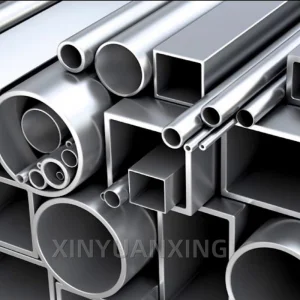
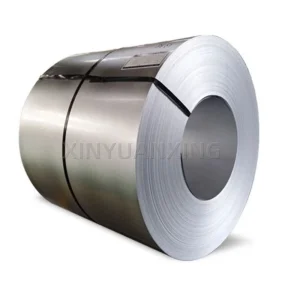
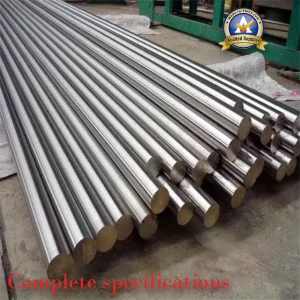
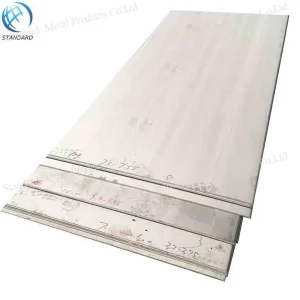
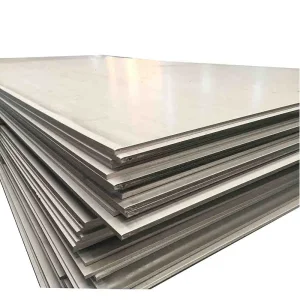
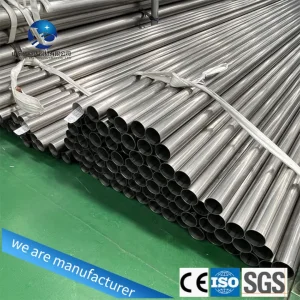
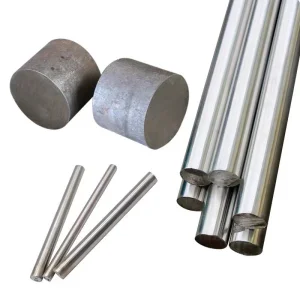
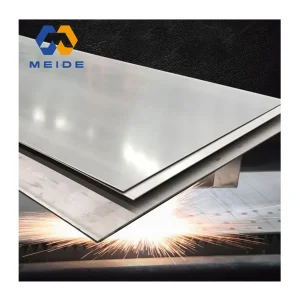
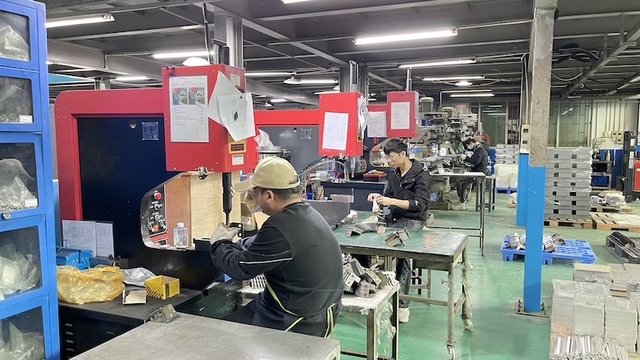
Dongguan TEDDI STEEL Co., Ltd. stands as a beacon of quality in the Chinese stainless steel manufacturing landscape. We are not just a supplier; we are a comprehensive solution provider for industrial metal materials. Our expertise spans across stainless steel plates, coils, pipes, tubes, and precision sockets.
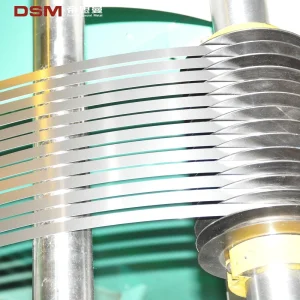
Our commitment to E-E-A-T (Experience, Expertise, Authoritativeness, and Trustworthiness) is reflected in every batch we ship. With advanced slitting, cutting, and finishing lines, we ensure that every socket and fitting meets the rigorous ASTM, DIN, and JIS standards required by global procurement agents.
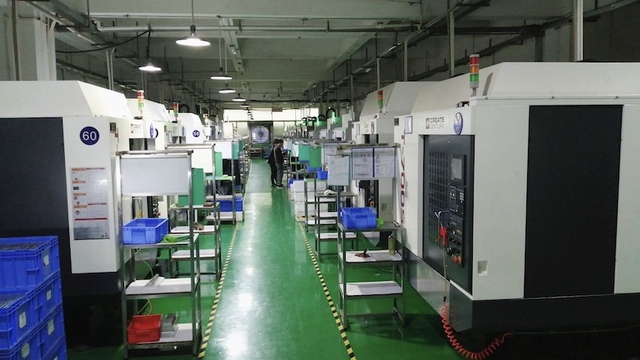
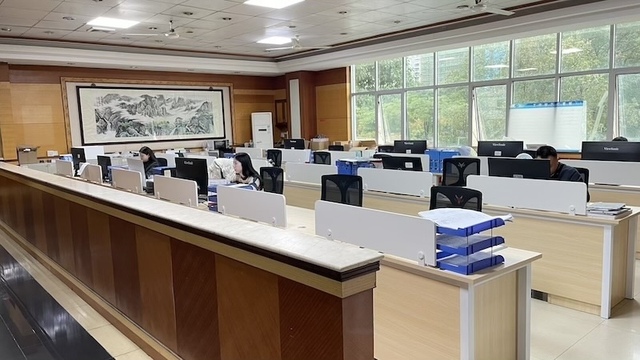
The global demand for high-precision stainless steel sockets is evolving. Procurement managers are no longer looking for just "parts"; they are seeking strategic partners who can provide material traceability and technical support. The rise of Industry 4.0 means that stainless steel components must be manufactured with extreme consistency to integrate into automated assembly lines.
In the coming decade, we expect a massive shift towards special alloys. While 304 and 316 remain the workhorses, the aerospace and nuclear energy sectors are driving demand for alloys that can withstand extreme radiation and thermal cycles. Dongguan TEDDI STEEL is investing heavily in R&D to stay ahead of these trends, ensuring our clients have access to the materials of the future today.
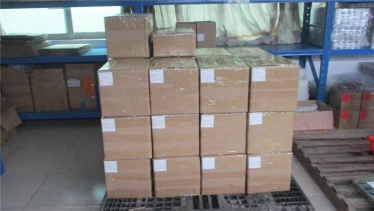
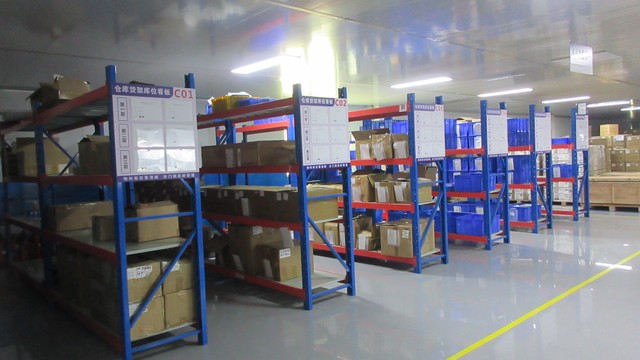
Furthermore, localized warehousing and "just-in-time" delivery models are becoming standard. By optimizing our export supply chain, we offer global clients the benefit of Chinese manufacturing efficiency combined with the reliability of local inventory management. This hybrid approach reduces lead times and minimizes project downtime.
Finally, the "Digital Twin" technology in manufacturing allows us to simulate the performance of our stainless steel sockets in a virtual environment before production. This ensures that every fitting is optimized for its specific application, reducing waste and increasing the overall efficiency of industrial systems.
 TEDDI STEEL