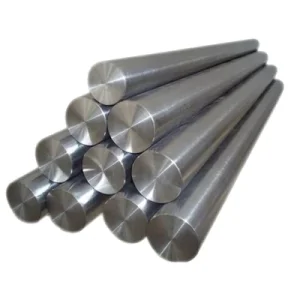
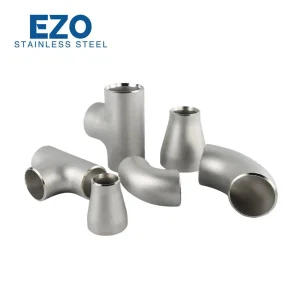
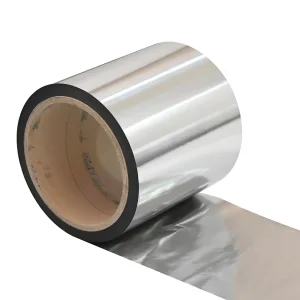
Explore our premium grade metal sheets, structural profiles, and custom fabricated hardware options engineered for high-performance applications.
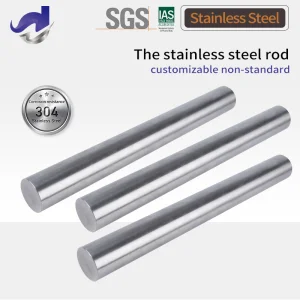

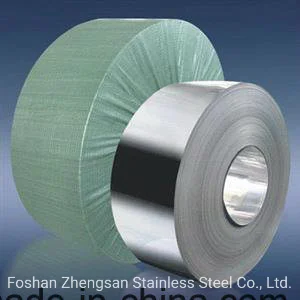
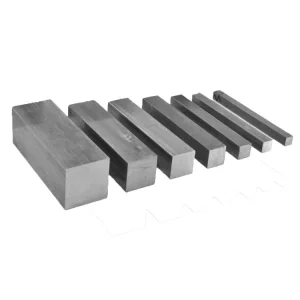
In high-stakes industrial applications, the humble stainless steel tray undergoes a radical transformation. Far from being a simple storage utility, it serves as a critical structural substrate. It operates in extreme temperatures, resists aggressive chemical washes, and ensures absolute product purity in pharmaceutical, semiconductor, and food processing lines. As leading global OEM/ODM manufacturers, we supply high-performance, customized metal solutions engineered to survive these challenging conditions.
Dongguan TEDDI STEEL Co., Ltd. stands as a premier specialized partner for global industrial sourcing. We combine advanced metal fabrication technologies with a vast inventory of cold-rolled and hot-rolled coils, structural bars, and precision tubing. By controlling raw materials directly from the steel mill, we deliver superior metallurgical consistency, dimensional accuracy, and verifiable trace documentation for demanding global export requirements.
Our stainless steel trays utilize premium grade alloys that resist localized pitting, crevice corrosion, and intergranular rust. Through precise control of Chromium, Nickel, and Molybdenum content, our products achieve long-term mechanical stability in thermal environments ranging from liquid nitrogen storage (-196°C) to industrial baking ovens (+450°C).
"Material degradation costs global industries billions annually. Selecting the correct alloy grade and finishing technique guarantees clean, reliable product cycles."
Optimized architectures and configurations designed to solve specific operational bottlenecks across diverse sectors.
Designed for sterilization autoclaves and aseptic product handling. Features fully welded joints, smooth radius corners to prevent bacterial harborage, and electropolished surfaces for Ra < 0.4 µm roughness parameters.
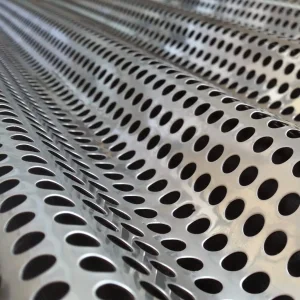
Built to withstand continuous thermal cycling, heavy loads, and chemical sanitation. Perforated configurations optimize heat transfer, speed up blast freezing cycles, and improve airflow distribution.
Custom electrostatic dissipative (ESD) physical profiles and precision mechanical pocket trays. Prevents triboelectric charges during automated pick-and-place assembly, wafer storage, and transport.
A breakdown of metallurgical properties and finishing processes used to build high-performance industrial trays.
Choosing the right combination of steel grade, gauge, structure, and finishing technique is crucial to optimizing service life and maximizing ROI. Our engineering teams assist in specifying matching configurations based on your application's physical stress profiles and ambient chemical threats.
| Material Grade | Metallurgical Composition Highlight | Primary Advantages | Typical Industry Application | Recommended Surface Finish |
|---|---|---|---|---|
| AISI 304 (SUS304) | 18% Cr, 8% Ni | Exceptional cost-to-performance ratio, excellent general corrosion resistance and weldability. | General food processing, commercial kitchens, manufacturing logistics, warehousing. | 2B Finish, Brush (No. 4), Electropolishing |
| AISI 316 (SUS316) | 16% Cr, 10% Ni, 2% Mo | Added Molybdenum prevents pitting from high-chloride environments and acidic chemicals. | Marine applications, high-salt food processing, industrial chemicals. | Electropolished, Passivated |
| AISI 316L (Low Carbon) | Low C (≤0.03%), High Ni & Mo | Prevents carbide precipitation during welding, providing high strength and corrosion resistance. | Pharmaceutical manufacturing, clinical washings, medical device sterilization. | Super Mirror Polish, Electropolishing (Ra < 0.4μm) |
| Ferritic / Martensitic (430 / 410) | 12-18% Cr, Nickel-Free | Magnetic response capabilities, elevated dry heat scaling resistance, excellent budget-friendliness. | Automated sorting systems (using magnetic sensors), high-heat dry ovens. | Industrial Mill Finish, Annealed |
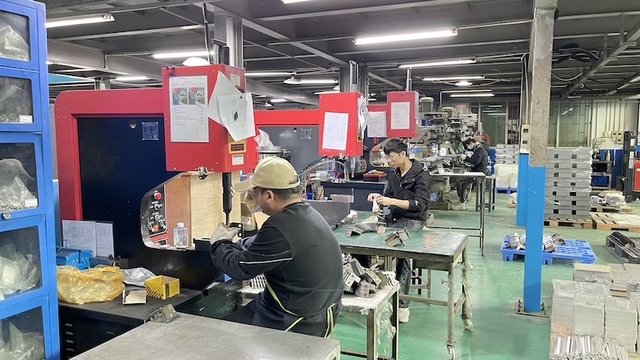
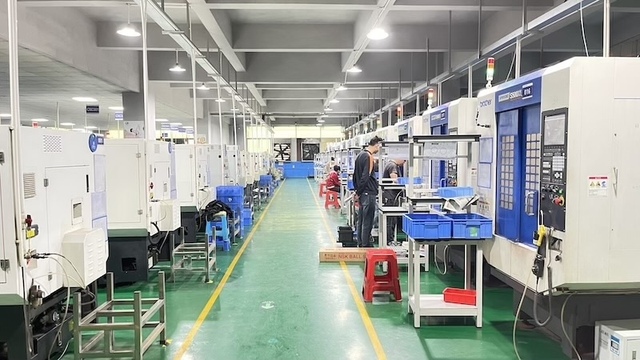
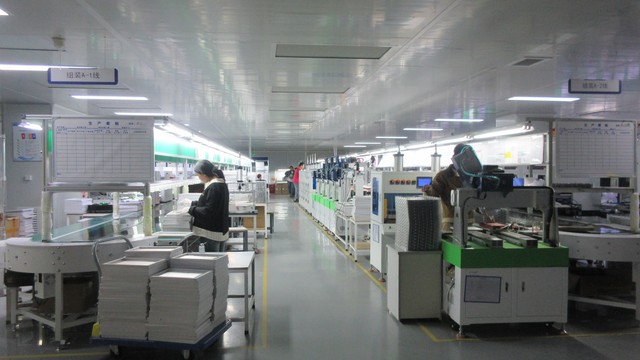
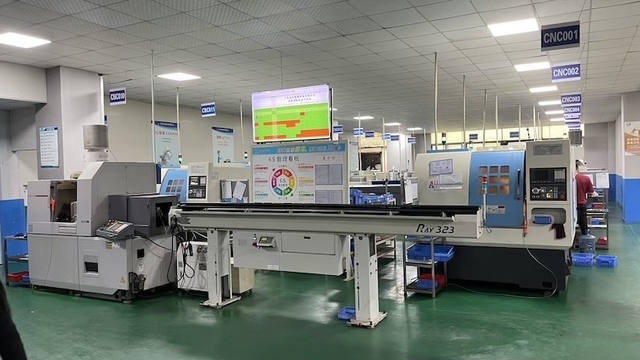
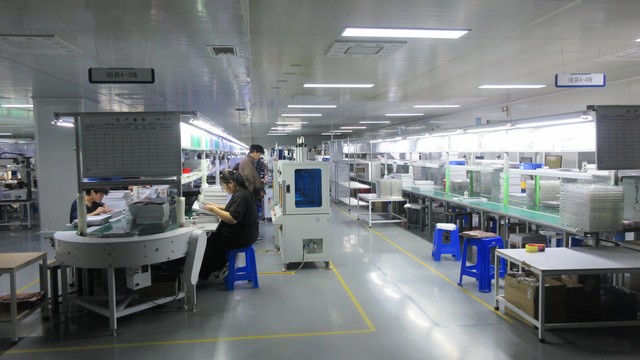
At Dongguan TEDDI STEEL Co., Ltd., we combine advanced metal manufacturing techniques with automated assembly lines to deliver exceptional quality. Our production facilities include fiber laser cutting systems, automatic servo CNC press brakes, and robotic TIG/laser welding units. These automated systems help us maintain high repeatability and precise tolerances of ±0.05mm across volume production runs.
By integrating metal plate and coil processing, custom tubing fabrication, and precision component stamping under one roof, we streamline the supply chain. This vertical integration minimizes logistics delays, reduces raw material scrap, and lowers costs—savings we pass along directly to our global OEM partners.
To guarantee quality, every production batch goes through rigorous inspection protocols, including positive material identification (PMI alloy testing), weld integrity verification, and surface roughness checks using optical profilometer technology.
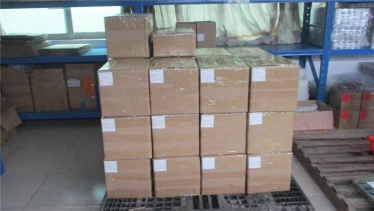
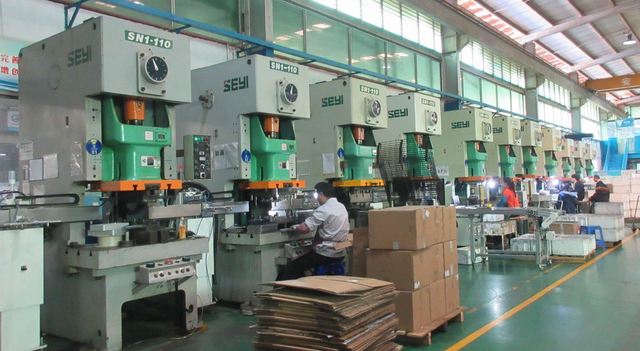
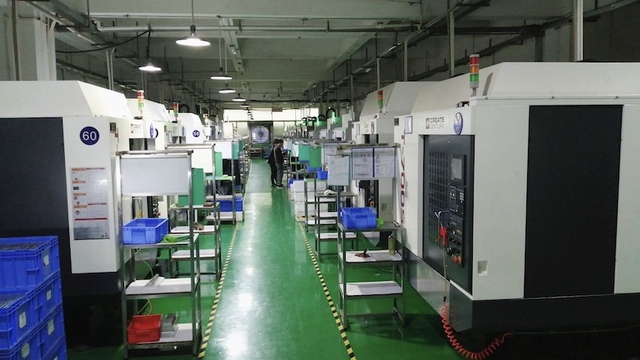
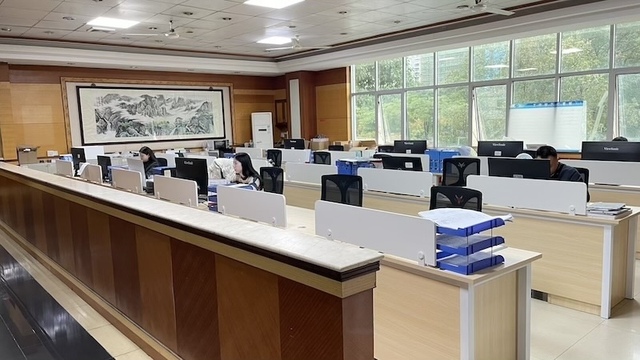
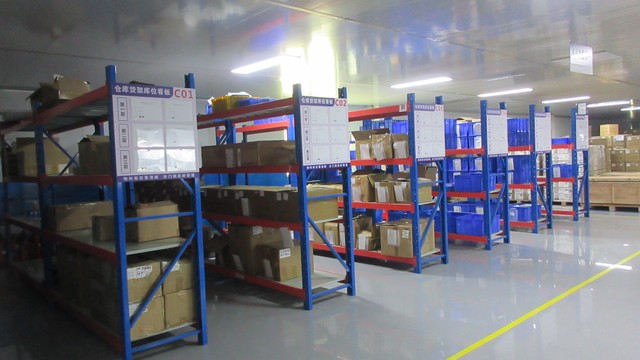
The convergence of material science, IoT tracking, and smart industrial automation.
By using micro-alloyed stainless steels and structured honeycomb press geometries, we are reducing overall tray weight by up to 25% without compromising structural carrying capacity. This weight reduction directly lowers manual handling fatigue and cuts energy usage in automated logistics lines.
We are expanding the application of advanced PVD coatings, hydrophobic surfaces, and anti-adherent coatings. These treatments minimize product adhesion in confectionery manufacturing and prevent bio-film accumulation in medical washing configurations.
Integrating RFID chips, high-temperature tracking tags, and etched QR codes directly into the metal frame. This upgrade enables full digital product tracking throughout the entire manufacturing process, from blast freezing to automated distribution.
Regulatory frameworks, critical compliance considerations, and quality assurances for international supply chains.
Procuring metal containers and custom trays for food, cosmetics, or pharmaceutical applications requires strict adherence to international safety standards. Our products comply with FDA CFR 21 (food-contact safety), EU Regulation 1935/2004, and NSF/ANSI sanitation requirements. We provide complete material certification records to simplify our customers' local compliance audits.
"Compliance is non-negotiable. Importing custom fabrications without proper alloy certification can lead to regulatory delays, product recalls, and high liability costs."
Deep-dive answers to common engineering questions regarding alloy selection, custom fabrication, and tray design.
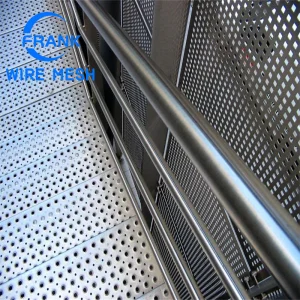
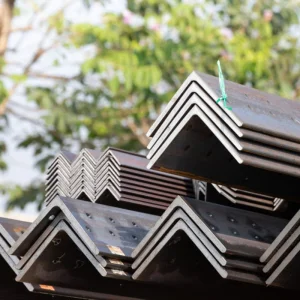
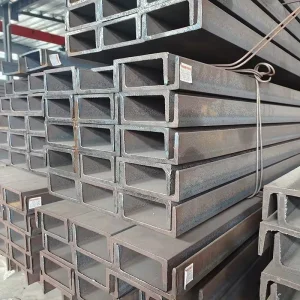
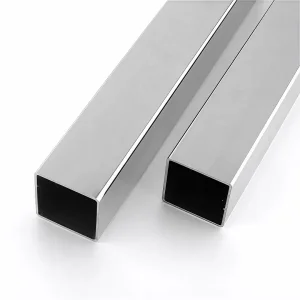
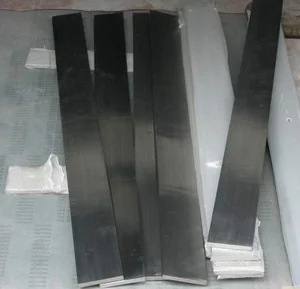
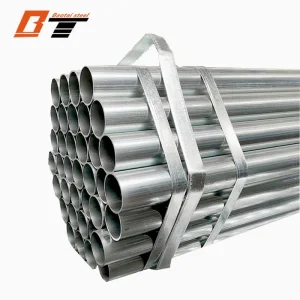
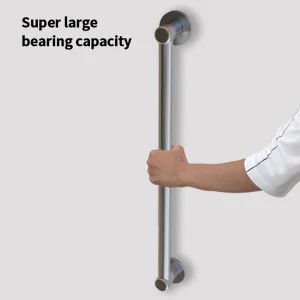
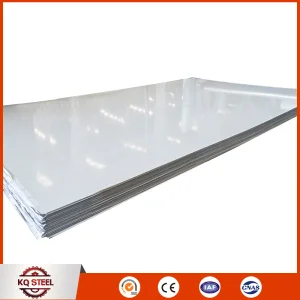
A selection of structural shapes, precision piping, protective rails, and ultra-thin foils for industrial systems.
 TEDDI STEEL