Engineered to withstand rigorous loading conditions and hostile external environment factors.
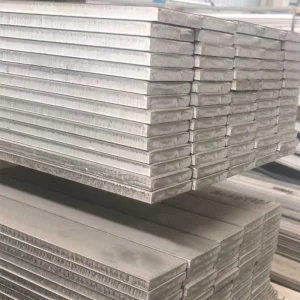
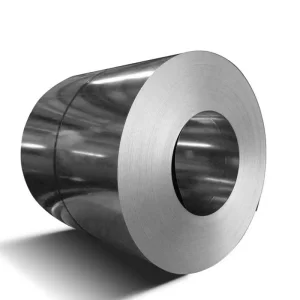
Stainless steel eye bolts (comprising DIN 580 lifting eye bolts, DIN 582 eye nuts, and customized machinery eye bolts) represent key anchorage elements in global heavy logistics, offshore exploration, renewable energy infrastructures, and automated industrial machinery. As structural components designed to withstand severe shear and axial stress, they act as the primary interface between heavy equipment and lifting tackles.
Historically, commercial-grade alloy steels dominated the rigging market. However, the modern industrial landscape demands components that resist atmospheric corrosion, chemical degradation, and mechanical fatigue over long operating life cycles. Marine-grade austenitic stainless steels, specifically AISI 316 (1.4401) and its low-carbon derivative AISI 316L (1.4404), have become the standard for offshore applications, subsea systems, and pharmaceutical fabrication areas where carbon contamination must be avoided.
"Safety compliance in rigging requires zero margin of error. The CE mark is not just a certification label; it is a declaration that the product conforms to the stringent mechanical and safety demands of the European Union's Machinery Directive 2006/42/EC."
Today, global procurement channels prioritize suppliers that can provide certified mechanical properties. This trend is driven by stricter occupational safety regulations worldwide, including OSHA mandates in the United States and EN standards in the European Union. Consequently, eye bolts must undergo meticulous metallurgical testing, including proof load tests, ultimate tensile strength (UTS) trials, and non-destructive examinations (NDT) such as dye penetrant and ultrasonic inspections. This systematic approach ensures that the grain structure is fully aligned with the load-bearing requirements of the component.
A rigorous breakdown of load ratings under axial vs. angular loading vectors, matching international DIN 580 design parameters.
| Metric Thread Size | Pitch (mm) | Axial WLL (kg) - Straight Lift | Angular WLL (kg) - 45° Max | Minimum Proof Load (kN) | A4-80 Tensile Strength (MPa) |
|---|---|---|---|---|---|
| M8 | 1.25 | 140 | 95 | 5.5 | 800 |
| M10 | 1.50 | 230 | 170 | 9.2 | 800 |
| M12 | 1.75 | 340 | 240 | 13.7 | 800 |
| M16 | 2.00 | 700 | 500 | 25.3 | 800 |
| M20 | 2.50 | 1,200 | 860 | 40.5 | 800 |
| M24 | 3.00 | 1,800 | 1,290 | 59.1 | 800 |
| M30 | 3.50 | 3,200 | 2,300 | 98.4 | 800 |
One of the most critical aspects of safety-certified lifting involves the angle of lift. An eye bolt loaded axially (perpendicular to the surface of the workpiece) retains its 100% rated Working Load Limit (WLL). However, when the lifting angle deviates from the vertical axis, a significant bending stress is introduced to the shank of the bolt.
Under a 45-degree loading direction, the effective WLL drops significantly. Any lift exceeding 45 degrees relative to the thread axis is discouraged unless specialized swivel lifting points or rotating eye bolts are utilized. Furthermore, when installing lifting points, it is critical to ensure that the shoulder of the eye bolt is fully seated against the mating surface. Undercutting, poor surface flatness, or inadequate thread engagement (typically recommended to be at least 1.5 times the nominal thread diameter in steel) can lead to catastrophic shear failure at the first engaged thread runout.
China operates as the epicenter of global metallurgy and precision hardware fabrication. Chinese factories offer a unique industrial cluster advantage, where raw material refining, mold making, high-capacity drop forging, CNC machining, chemical surface passivation, and certification testing are situated within close geographic proximity. This concentrated supply chain lowers logistical overheads, reduces lead times, and allows for rapid prototyping of bespoke components.
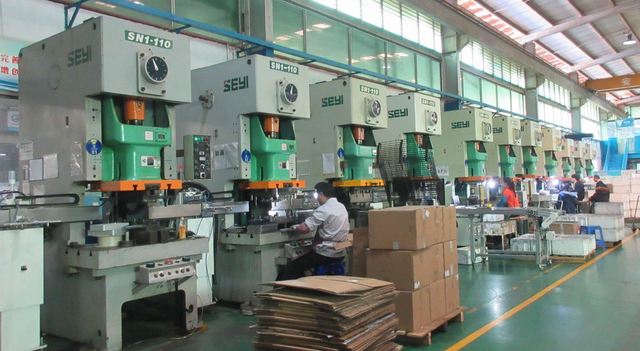
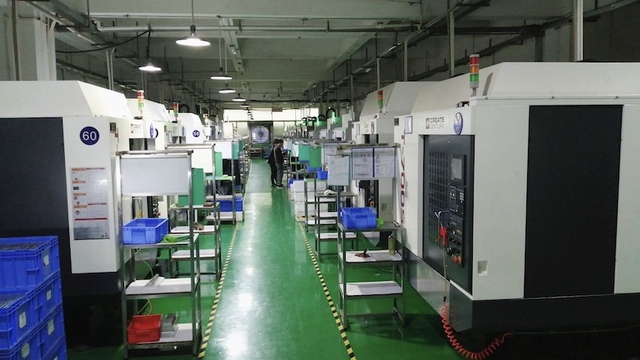
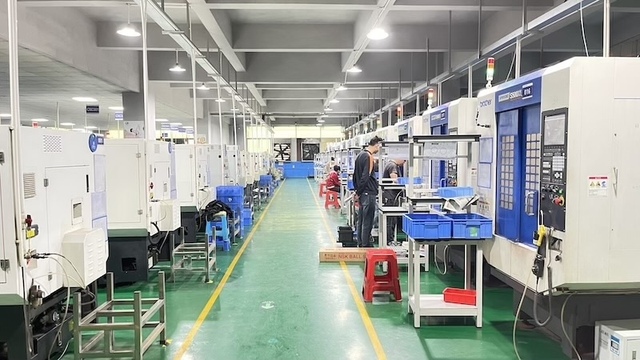
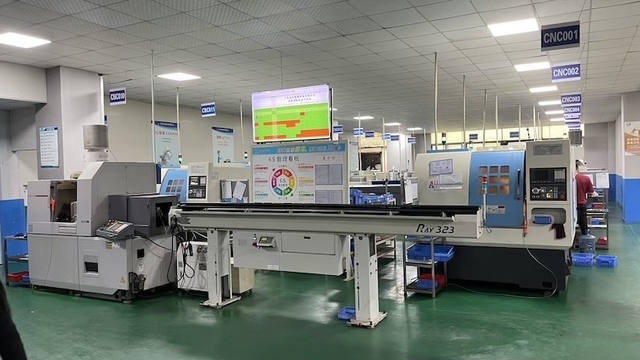
Dongguan TEDDI STEEL Co., Ltd. leverages this robust industrial ecosystem by combining advanced drop-forging machinery with automated CNC threading lines. Unlike commercial grade casting processes that can leave internal micro-voids and gas pockets, hot drop-forging compresses the grain boundary flow lines along the contours of the eye bolt ring. This alignment optimizes the tensile strength and fracture toughness of the final component, ensuring reliable performance under cyclic loading conditions.
Where mechanical strength meets material integrity in critical global infrastructures.
High salinity seawater rapidly attacks standard carbon steels via crevice and pitting corrosion. AISI 316 / 316L stainless steel eye bolts, containing molybdenum, resist chloride-induced corrosion, making them suitable for subsea installations, vessel decking, and offshore wind platforms.
Corrosive media, acid gases, and variable heat profiles dictate the use of chemical-resistant alloys. Teddi Steel eye bolts maintain mechanical stability under cyclic thermal variations, providing reliable structural integrity for autoclaves, pumps, and reactors.
Modern structural designs incorporate structural glass, tension cables, and outdoor facades that require secure attachment points. Stainless steel structural hardware ensures load retention, structural durability, and a clean aesthetic finish over decades of exposure.
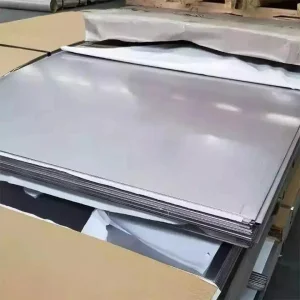
Dongguan TEDDI STEEL Co., Ltd. is a professional stainless steel manufacturer and global supplier specializing in stainless steel plates, coils, pipes, tubes, and a wide range of industrial metal materials. The company is committed to providing high-quality stainless steel products that meet the demanding requirements of industries such as construction, automotive, machinery, energy, food processing, and chemical engineering.
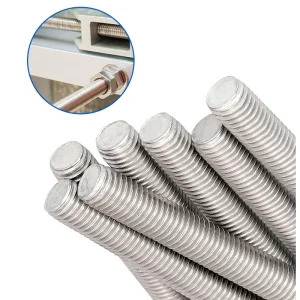
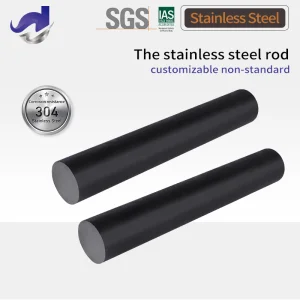
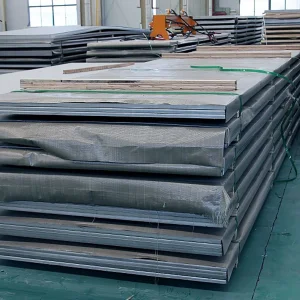
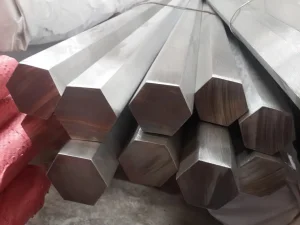
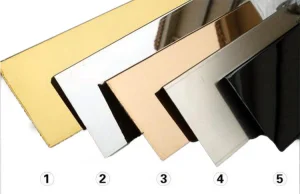
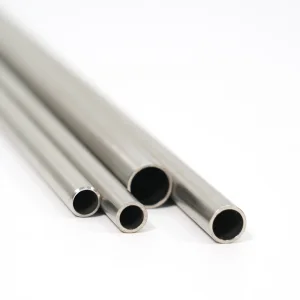
TEDDI STEEL offers an extensive product portfolio including stainless steel sheets, cold rolled and hot rolled coils, seamless and welded pipes, precision tubes, bars, and customized metal solutions. All products are manufactured using premium raw materials and advanced processing techniques to ensure excellent corrosion resistance, durability, and mechanical performance across various applications.
Equipped with modern production facilities, advanced slitting, cutting, and finishing lines, as well as strict quality inspection systems, Dongguan TEDDI STEEL Co., Ltd. ensures consistent product quality and reliable supply capabilities. The company adheres to international standards and implements rigorous testing procedures to meet customer specifications and industry requirements.
In addition to standard products, TEDDI STEEL provides flexible customization and OEM services, supporting clients with tailored dimensions, surface finishes, and packaging solutions. With a strong focus on quality, efficiency, and customer satisfaction, the company continues to serve as a trusted partner for stainless steel and industrial metal material solutions worldwide.
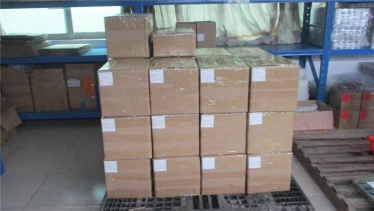
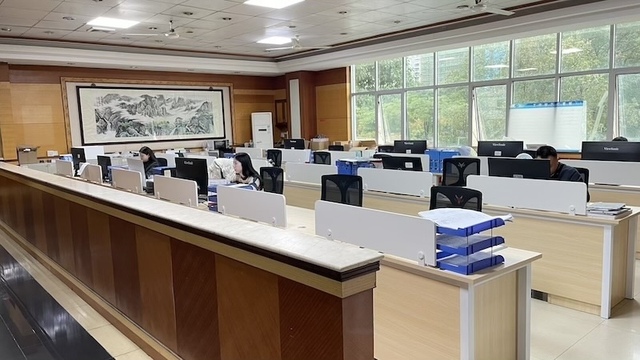
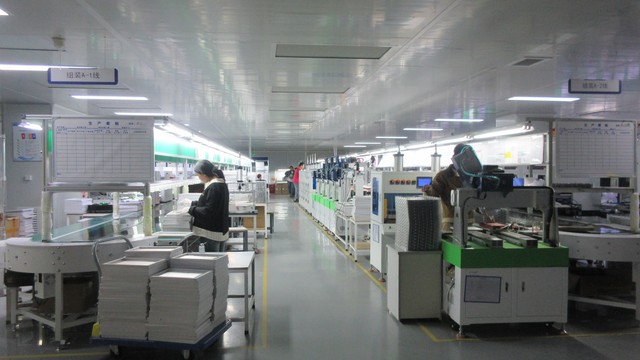
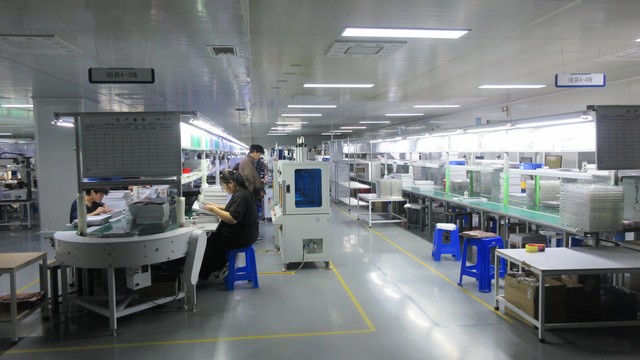
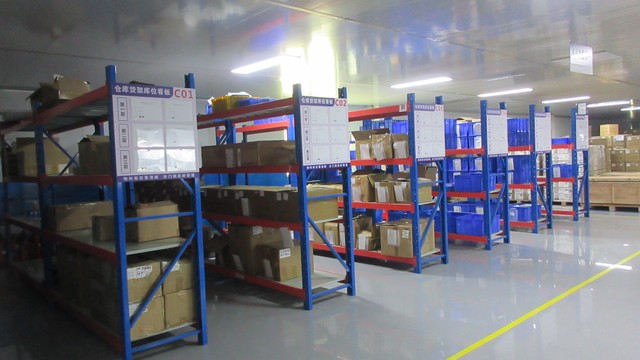
Take a virtual tour through our state-of-the-art forging, milling, processing, and warehousing setups in Dongguan.
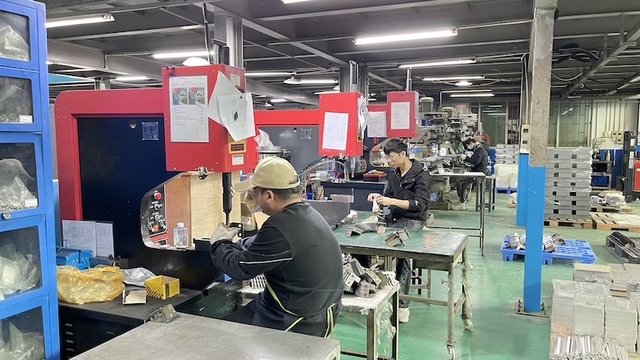
Exploring the evolution of industrial lifting accessories from traditional hardware to digital-integrated components.
Modern mega-construction zones utilize thousands of individual eye bolts, each requiring manual inspection logs. Major industrial operators are transitioning to RFID-chipped eye bolts. A simple scanner scan registers the serial number, installation date, historical stress exposure, and inspection certificates, improving workflow efficiency and reducing manual record-keeping errors.
Historically, commercial projects used zinc-plated or galvanized carbon steel due to budget constraints. However, life cycle cost analysis indicates that premature degradation and frequent replacement programs far outweigh the initial capital investment of high-tensile A4-80 stainless steel rigging. Consequently, major maritime standard agencies are mandating the transition to high-strength stainless alloys.
Global regulatory bodies are introducing limits on industrial product carbon footprints. Manufacturing facilities must transition to green electric-arc furnaces, sustainable sourcing practices, and local scrap recycling networks. Selecting suppliers that provide ESG documentation along with mechanical test reports is becoming standard practice for corporate compliance teams.
B2B sourcing agents must conduct thorough verification before selecting a supplier for critical lifting components. Relying solely on low-cost offers can expose your operations to mechanical failures and regulatory compliance issues. Use this structured validation protocol during your next supplier audit:
Dongguan TEDDI STEEL Co., Ltd. operates an ISO 9001:2015 accredited facility where every step, from alloy wire rod sourcing to thread cutting and surface electro-polishing, is monitored. Our inner testing laboratory features coordinate measuring machines (CMM) to ensure thread tolerance compliance (typically Class 6g for standard bolts), micro-vickers hardness testing equipment, and a custom horizontal tensile test bench capable of breaking M48 scale fasteners. By controlling the production flow, we eliminate structural defects before products leave our facility.
In-depth technical answers addressing common questions from rigging engineers and procurement managers.
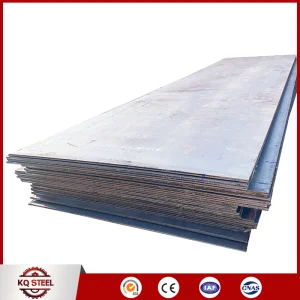
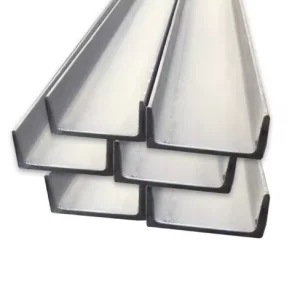
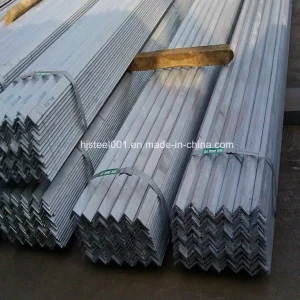
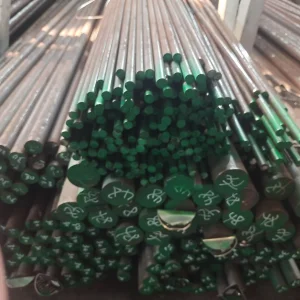
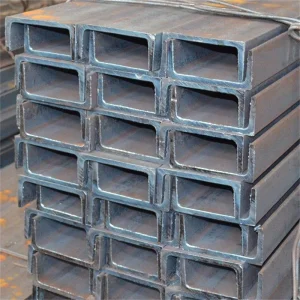
Explore our structural profiles, channels, and reinforcement products manufactured at our facility.
 TEDDI STEEL