Explore our premier selection of high-grade raw materials and engineered structural profiles designed for demanding heavy-duty operations.
In modern heavy industries, rigging networks, and offshore engineering installations, stainless steel eye nuts (commonly conforming to standards like DIN 582 or ISO 3266) serve as critical anchorage connection points. These load-bearing components are engineered to receive threaded studs or bolts, providing a robust lifting loop for transport, structural positioning, and secure anchoring. As a leading hub for industrial metal processing, China's stainless steel manufacturing ecosystem has evolved to offer unprecedented material performance, combining high corrosion resistance with precise mechanical tolerances.
This white paper explores the critical engineering parameters, metallurgical compositions, global market dynamics, and procurement considerations that define high-caliber eye nuts. For supply chain officers and structural engineers alike, identifying the top tier of manufacturers and suppliers in China involves looking beyond surface aesthetics. True quality is determined by verified mechanical grain integrity, strict chemical trace control, and rigorous non-destructive testing (NDT).
Understanding the chemical variance of stainless steel grades is essential to avoiding premature stress corrosion cracking (SCC) or localized pitting. The table below delineates the standard chemical compositions of the most prevalent stainless steel grades utilized in manufacturing high-strength eye nuts and industrial structural components:
| Steel Grade | Chromium (Cr) % | Nickel (Ni) % | Molybdenum (Mo) % | Carbon (C) % Max | Primary Application Context |
|---|---|---|---|---|---|
| Grade 304 (EN 1.4301) | 18.0 - 20.0 | 8.0 - 10.5 | - | 0.08 | General engineering, indoor rigging, food processing machinery |
| Grade 316 (EN 1.4401) | 16.0 - 18.0 | 10.0 - 14.0 | 2.0 - 3.0 | 0.08 | Marine environments, chemical transport, industrial pipelines |
| Grade 316L (EN 1.4404) | 16.0 - 18.0 | 10.0 - 14.0 | 2.0 - 3.0 | 0.03 | Welded heavy rigging structures, highly acidic chemical plants |
| Duplex 2205 (EN 1.4462) | 21.0 - 23.0 | 4.5 - 6.5 | 2.5 - 3.5 | 0.03 | Offshore oil platforms, deep-sea subsea templates, high-stress rigging |
The addition of Molybdenum in Grade 316/316L drastically reduces the material’s vulnerability to chloride-induced pitting. Pitting is a localized form of corrosion that creates microscopic cavities, which can act as stress concentration points and lead to sudden structural failure. Furthermore, 316L’s lower carbon content (≤ 0.03%) prevents carbide precipitation during hot forging or post-weld cool down, keeping the crystalline borders intact and securing long-term structural reliability.
The global market for industrial fasteners and rigging components is witnessing a distinct paradigm shift towards premium-grade stainless alloys. While carbon steel (galvanized or painted) has historically formed the backbone of standard construction lifting hardware, rising maintenance costs and safety expectations are pushing industries toward stainless steel. Offshore wind installations, deep-sea oil extraction, smart automated manufacturing facilities, and coastal municipal developments are driving this growth.
China’s manufacturers have successfully integrated complete production cycles—from raw material smelting and precision rolling to die design, hot forging, and electrochemical finishing. This high level of vertical integration allows Chinese suppliers to deliver bespoke industrial-grade eye nuts with custom thread geometries (Metric, UNC, UNF) and high-load capacities at scale, all while meeting international testing certifications.
The life-cycle integrity of a lifting eye nut is forged in the manufacturing facility. Premium Chinese manufacturers adhere to a structured, traceable engineering route:
Lifting eye nuts are subject to multidirectional stresses during operation. DIN 582 outlines specific load limit capacities at various lifting angles:
Your Premier Global Partner for Premium Stainless Steel Materials & Structural Components
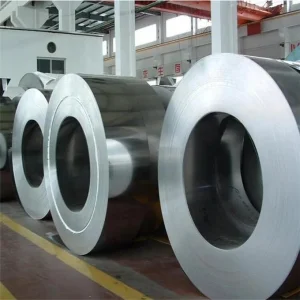
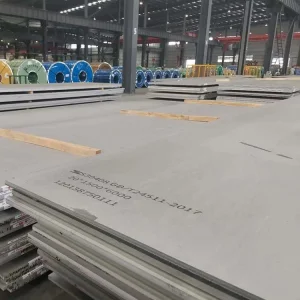
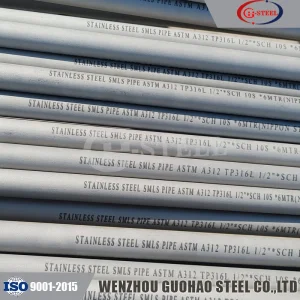
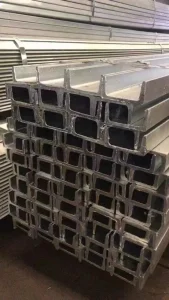
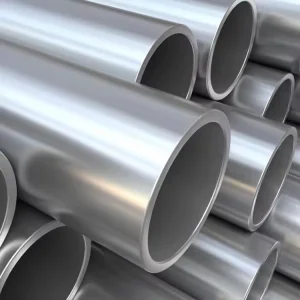
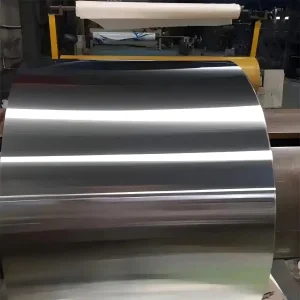
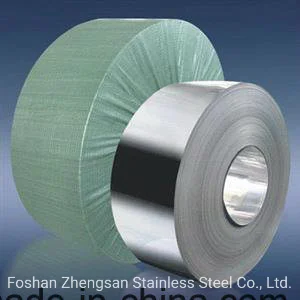
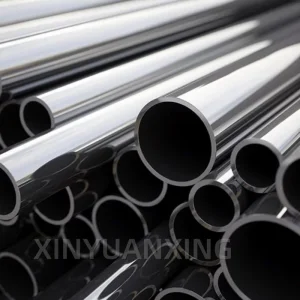
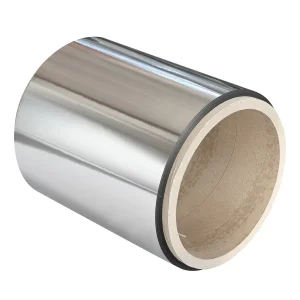
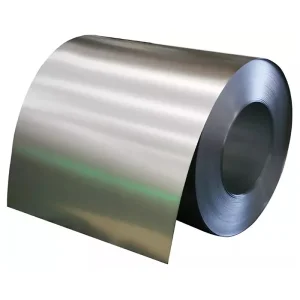
Dongguan TEDDI STEEL Co., Ltd. is a professional stainless steel manufacturer and global supplier specializing in stainless steel plates, coils, pipes, tubes, and a wide range of industrial metal materials. The company is committed to providing high-quality stainless steel products that meet the demanding requirements of industries such as construction, automotive, machinery, energy, food processing, and chemical engineering.
TEDDI STEEL offers an extensive product portfolio including stainless steel sheets, cold rolled and hot rolled coils, seamless and welded pipes, precision tubes, bars, and customized metal solutions. All products are manufactured using premium raw materials and advanced processing techniques to ensure excellent corrosion resistance, durability, and mechanical performance across various applications.
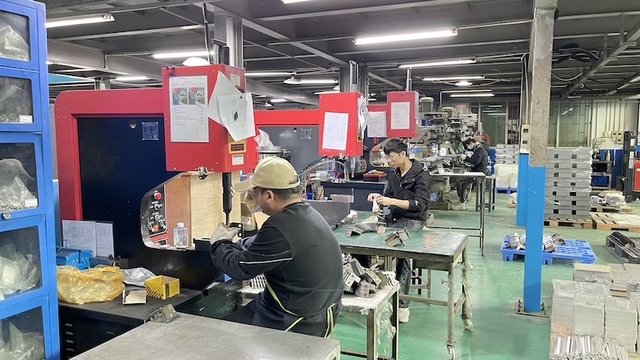
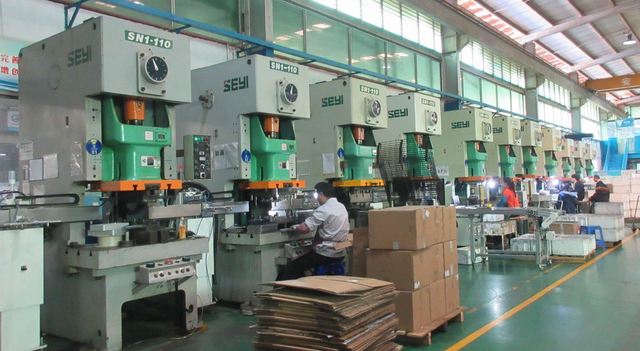
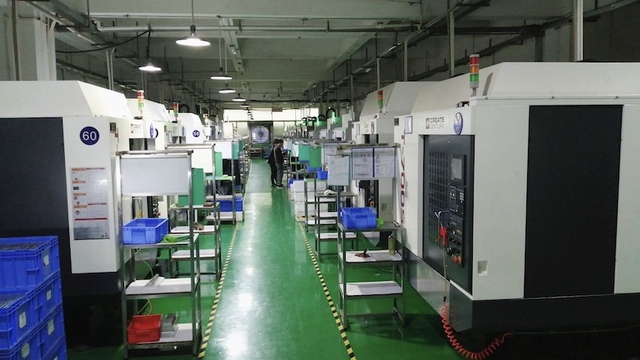
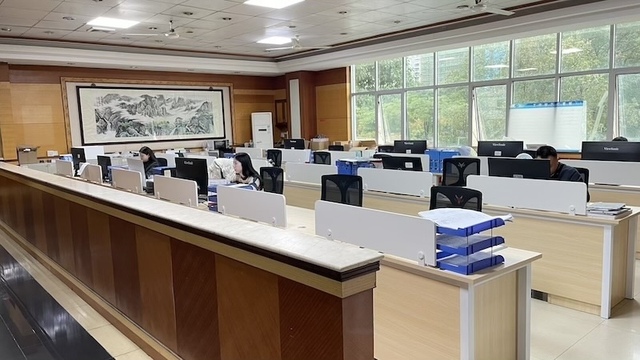
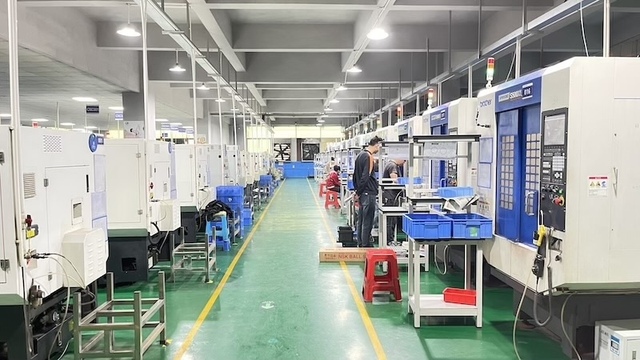
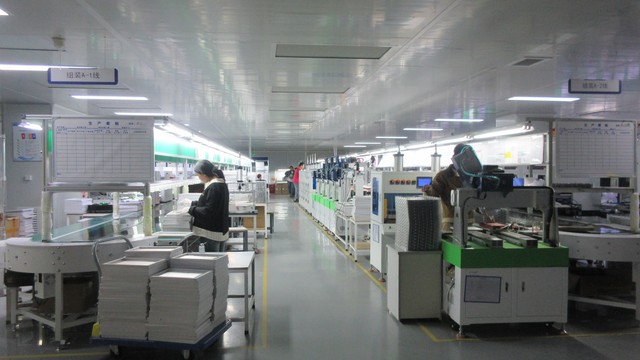
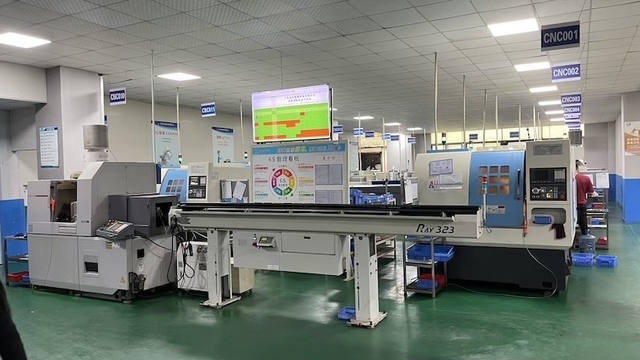
Equipped with modern production facilities, advanced slitting, cutting, and finishing lines, as well as strict quality inspection systems, Dongguan TEDDI STEEL Co., Ltd. ensures consistent product quality and reliable supply capabilities. The company adheres to international standards and implements rigorous testing procedures to meet customer specifications and industry requirements.
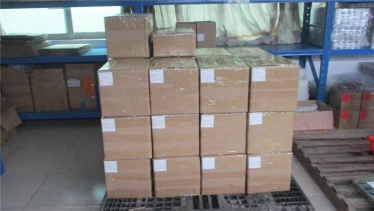
In addition to standard products, TEDDI STEEL provides flexible customization and OEM services, supporting clients with tailored dimensions, surface finishes, and packaging solutions. With a strong focus on quality, efficiency, and customer satisfaction, the company continues to serve as a trusted partner for stainless steel and industrial metal material solutions worldwide.
Industrial demands for lifting and anchoring points vary by region and environment. For global engineering projects, matching the eye nut specification to local environmental challenges is critical to project safety and efficiency.
In salt-laden offshore environments, standard carbon steel hardware fails rapidly due to localized rust and stress fatigue. In offshore wind platforms, subsea manifolds, and marine shipping docks, duplex 2205 or Grade 316L stainless steel eye nuts are utilized. These materials are chosen for their high resistance to stress corrosion cracking (SCC) and localized crevice corrosion under high mechanical tension.
Chemical processing plants handle highly corrosive substances like sulfuric, nitric, and hydrochloric acids. Rigging hardware used to support piping, heavy valves, and pressure vessels must maintain chemical integrity. Under these conditions, the chromium oxide layer of the eye nut prevents chemical wear and gas-induced embrittlement.
Pharmaceutical formulation facilities, semiconductor fabricators, and food processing plants require ultra-clean environments. Here, lifting components must resist chemical sanitizers without shedding rust particles or harboring bacterial growth. Electropolished 304 and 316 grade eye nuts, featuring a smooth surface finish (Ra < 0.8 μm), are standard because they are easy to clean and prevent contamination.
For international lifting equipment procurement, meeting quality standards is non-negotiable. Key safety standards include:
Get answers to critical technical questions regarding the selection, application, and safety limits of industrial stainless steel eye nuts.
DIN 582 specifically covers metric-threaded lifting eye nuts designed for general structural use, emphasizing axial pulling loads and providing distinct mechanical profile designs. ISO 3266 outlines specifications for eye bolts and nuts specifically utilized in complex, multi-leg sling setups within rigging applications, and incorporates different safety factor calculations and thread tolerances.
Forging processes utilize heat and pressure to reshape the metal's internal grain flow, creating a continuous crystalline pattern that follows the shape of the eye loop. This increases tensile strength, fatigue life, and impact resistance. Casting can introduce air bubbles, shrinkage cavities, or grain boundaries that make the eye nut brittle under heavy loads.
Austenitic stainless steels (304, 316, 316L) maintain their ductility and mechanical properties in sub-zero and cryogenic conditions. However, at temperatures exceeding 350°C, their tensile strength decreases. When choosing eye nuts for high-temperature applications, mechanical engineers must apply thermal reduction factors to the Working Load Limit (WLL).
Yes. Through our advanced CNC tooling systems, we support customization for UNC, UNF, and metric thread pitches to match international connection specifications. We also offer mechanical polishing, pickling passivation, and electropolishing to satisfy specific aesthetic or corrosion-resistance requirements.
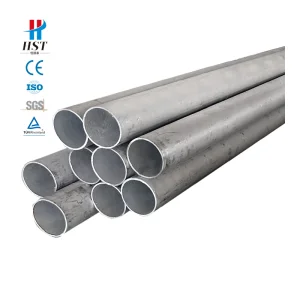
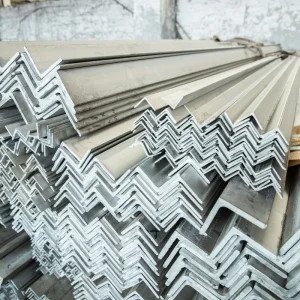
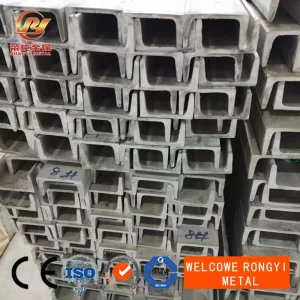
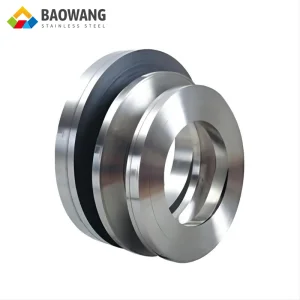
We supply an expansive catalog of structural steels, precision tubes, and specialty metal products to streamline global industrial projects.
 TEDDI STEEL