Explore our precision-manufactured raw and finished metal products engineered to comply with strict international standards.
Analyzing the global dynamics of heavy-section stainless steel forged forgings, tool blocks, and high-performance casting billets.
In critical applications such as aerospace machinery, pressure vessel shells, and subsea pipelines, components are machined out of heavy-duty, solid blocks rather than profiles. Raw blocks ensure zero welding seams, offering extreme resistance to tensile load, high pressure, and localized chemical attacks. The shift toward ultra-deepwater exploration and high-efficiency turbines has made the stainless steel block the core component of choice for structural safety.
Modern engineering designs call for complex, heavy sections. Procurement teams are moving away from traditional single-grade carbon block materials towards corrosion-resistant alternatives. While AISI 304 and 316L block forgings remain the standard for processing lines, Super Duplex (F53, F55, S32750) blocks have seen massive traction due to their enhanced yield strength and excellent resistance to chloride-induced stress corrosion cracking.
As North American and European heavy manufacturing infrastructure focuses on final-stage precision CNC machining, the supply of raw, high-tonnage forged steel blocks relies heavily on East Asian producers. China stands at the center of this supply chain, delivering certified raw billets that balance cost-competitiveness, strict chemical limits, and massive manufacturing output required by global OEMs.
Learn how Dongguan TEDDI STEEL Co., Ltd. integrates advanced metallurgical controls to deliver superior stainless blocks and steel solutions worldwide.
Dongguan TEDDI STEEL Co., Ltd. is a professional stainless steel manufacturer and global supplier specializing in stainless steel plates, coils, pipes, tubes, and a wide range of industrial metal materials. The company is committed to providing high-quality stainless steel products that meet the demanding requirements of industries such as construction, automotive, machinery, energy, food processing, and chemical engineering.
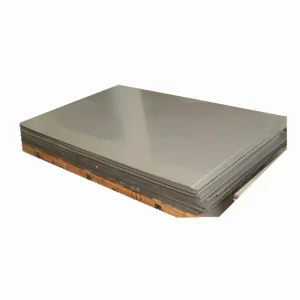
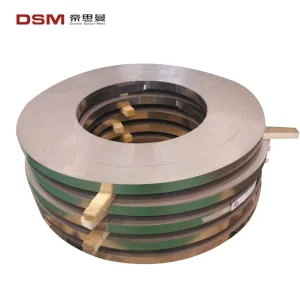
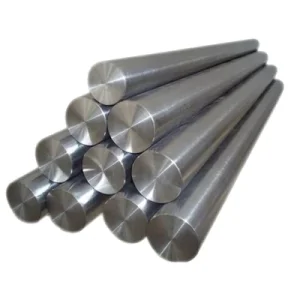
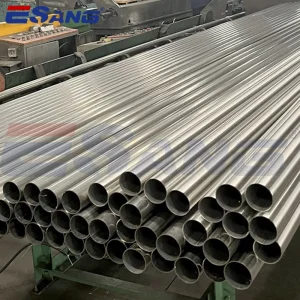
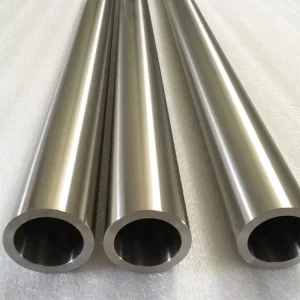
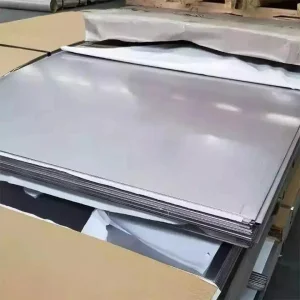
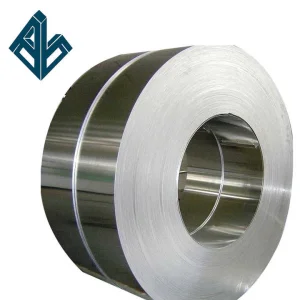
TEDDI STEEL offers an extensive product portfolio including stainless steel sheets, cold rolled and hot rolled coils, seamless and welded pipes, precision tubes, bars, and customized metal solutions. All products are manufactured using premium raw materials and advanced processing techniques to ensure excellent corrosion resistance, durability, and mechanical performance across various applications.
Equipped with modern production facilities, advanced slitting, cutting, and finishing lines, as well as strict quality inspection systems, Dongguan TEDDI STEEL Co., Ltd. ensures consistent product quality and reliable supply capabilities. The company adheres to international standards and implements rigorous testing procedures to meet customer specifications and industry requirements.
In addition to standard products, TEDDI STEEL provides flexible customization and OEM services, supporting clients with tailored dimensions, surface finishes, and packaging solutions. With a strong focus on quality, efficiency, and customer satisfaction, the company continues to serve as a trusted partner for stainless steel and industrial metal material solutions worldwide.
Evaluating China's macro manufacturing ecosystem, chemical consistency, and advanced hydraulic forging infrastructure.
Chinese factories leverage high-capacity hydraulic forging presses (ranging from 1,600 to 10,000 tons) capable of achieving high forging reduction ratios (minimum 4:1). This breaks down dendritic casting structures, refines grain flow, and eliminates internal voids or microporosity which can cause catastrophic failures during post-machining phases.
Based in South China's industrial hub, TEDDI STEEL benefits from local raw-material networks, precision heat-treatment plants, and specialized laboratories. This industrial density allows our factory to process custom chemical specifications, heat treatments, and dimension profiles with remarkably shorter lead times than Western peers.
By utilizing modernized electric arc furnaces (EAF) paired with Argon Oxygen Decarburization (AOD) refining, we minimize structural impurities (like sulfur and phosphorus) at scale. This allows us to keep raw block unit pricing low, passing down significant cost advantages to distributors and machinery OEMs.
From maritime drilling templates to extreme thermal power equipment—see where forged steel blocks perform.
| Industry Sectors | Primary Stainless Grades Used | Specific Component Application | Critical Engineering Metric |
|---|---|---|---|
| Oil & Gas Exploration | Super Duplex F53 / F55, AISI 316L | Subsea manifolds, valve bodies, high-pressure Christmas tree blocks | Pitting Resistance Equivalent Number (PREN) > 40 |
| Aerospace & Defense | 17-4 PH (S17400), AISI 410 | Structural brackets, actuator housings, rocket motor parts | High yield strength & high fracture toughness |
| Chemical & Petrochemical | AISI 316Ti, 317L, 347/347H | Reactor flanges, autoclave components, heavy pipe connector blocks | Intergranular corrosion resistance (ASTM A262 Practice E) |
| Precision Plastic Tooling | 420 (SUS420J2), 440C | High-finish optical lens molds, corrosive polymer injection cavities | Exceptional polishability and core hardness (HRC 48-52) |
| Marine Propulsion | AISI 304, Duplex 2205 | Rudder stocks, propeller shaft coupling blocks, bracket mounts | Corrosive fatigue limit under cyclic marine exposure |
How we eliminate subsurface defects and guarantee uniform mechanical characteristics from core to surface.
Unlike sheets or wires, heavy forgings can harbor micro-cracks inside their core. We test blocks in compliance with ASTM A388/A388M or EN 10228-3. Our standard requires Level A (or Class 1/2) compliance, ensuring zero back-reflection drops or point-defect echoes exceed the calibration limits.
Even trace deviations in elements like carbon or nitrogen can affect corrosion limits. We use Optical Emission Spectrometry (OES) alongside combustion analyzers to verify chemical compositions. On-site Positive Material Identification (PMI) is performed on every block prior to dispatch.
To eliminate internal stress from forging processes, stainless blocks must undergo thorough solution annealing (for austenitic grades) or quenching and tempering (for martensitic tool grades) inside computerized heat-treatment kilns.
Overcoming long-distance supply risks, non-conformance issues, and custom dimensions.
The Solution: If a buyer spends thousands of dollars machining a block, only to discover an internal void deep in the core, the entire block is ruined. TEDDI STEEL provides certified UT inspection reports and back-up documentation for every single block shipped. Our zero-defect warranty guarantees block replacement in case of internal metal voids.
The Solution: Heavy blocks often present high surface hardness but soft cores. We optimize heat soaking times (up to 12 hours depending on depth) to ensure consistent recrystallization and uniform hardness across the entire cross-section, guaranteeing long tool life.
The Solution: Exporting structural materials requires comprehensive customs handling. We provide compliant packaging (rust-inhibiting wrapping, heat-treated wooden crates, steel bands) alongside complete commercial papers (MTC EN 10204 3.1, Country of Origin, customs classification docs) to avoid delays at international ports.
Our manufacturing output, quality control achievements, and global footprint.
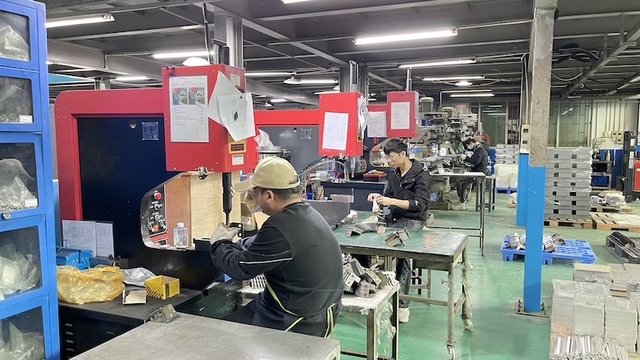
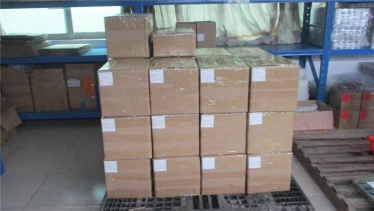
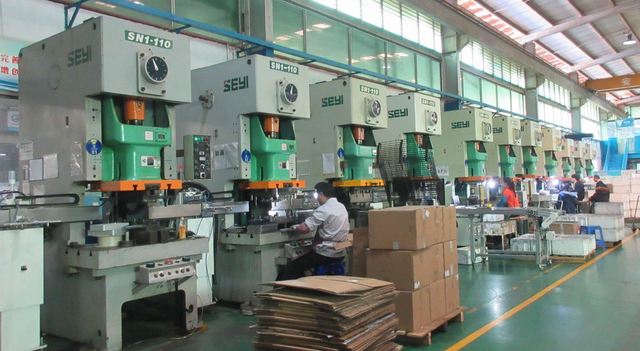
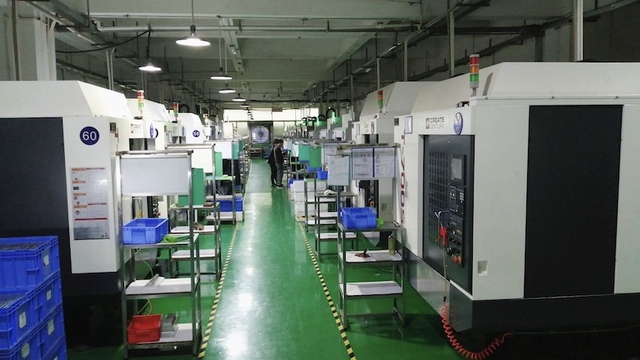
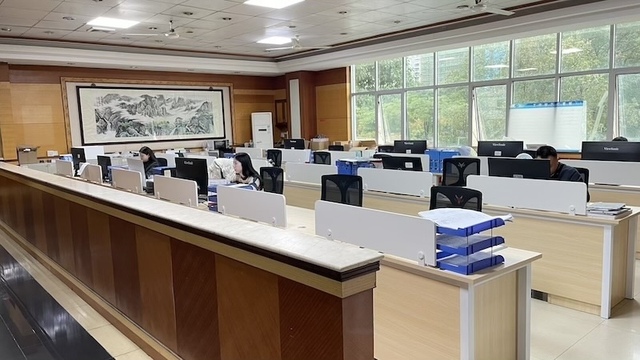
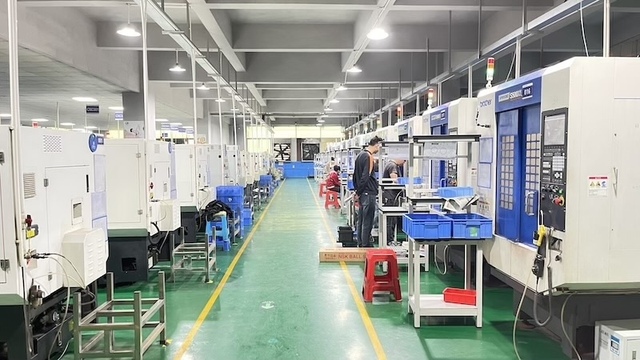
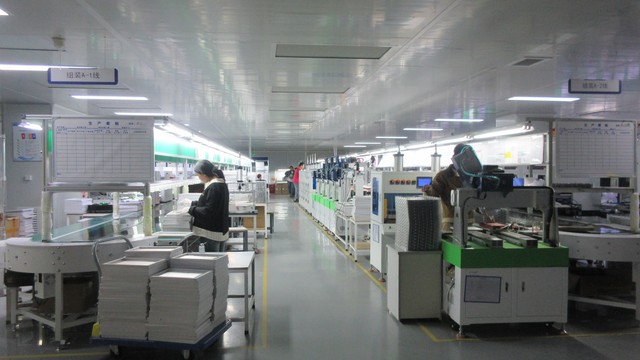
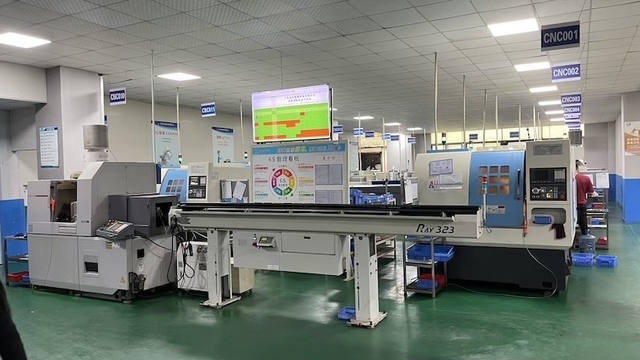
Take an inside look at our workshops, machinery, warehousing, and testing setups.
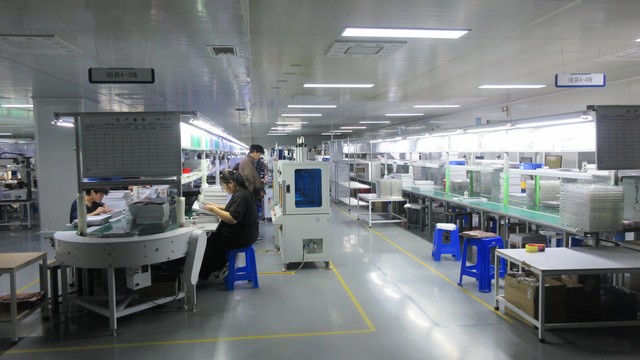
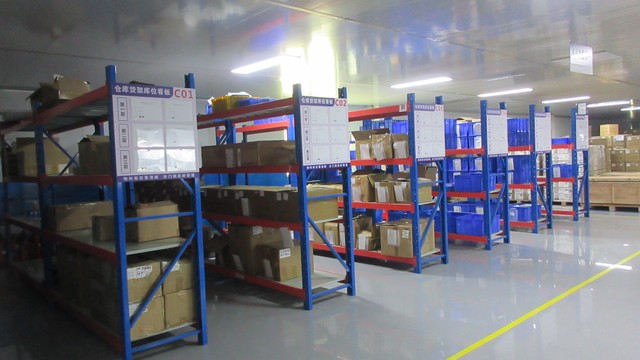
Get professional metallurgical and logistical advice for procuring high-grade stainless steel blocks.
Forged blocks are shaped under high pressure using heavy hydraulic hammers or presses, aligning the steel's grain structure along the flow direction. This eliminates internal voids and improves mechanical toughness and impact fatigue limits. Cast blocks are made by pouring molten steel into molds; they are faster to produce but can contain micro-porosity, casting defects, and uneven grain orientations, making them less suitable for high-pressure components.
We perform non-destructive tests (NDT), with Ultrasonic Testing (UT) being the primary tool. Each block is scanned with a calibrated transducer according to ASTM A388 standards. This checks for internal voids, shrinkage, or slag inclusions. If any defect exceeds the limit of our calibrated flat-bottom holes, the block is rejected.
Yes. While we stock standard commercial grades like 304, 304L, 316, 316L, and 17-4 PH, we can adjust alloy concentrations for bulk orders. This includes limiting cobalt levels for nuclear energy applications, adding nitrogen to duplex grades to improve pitting resistance (PREN), or keeping carbon below 0.03% to prevent intergranular sensitization during welding.
We offer blocks with black-forged (as-forged) surfaces, rough-machined (skinned) surfaces, or fine-machined (precision-milled/ground) surfaces. For components going straight to CNC machining hubs, rough-machining is recommended as it uncovers surface defects and saves time on raw stock preparation.
Our facility in Dongguan is located within the Pearl River Delta industrial cluster, close to major deep-water ports in Shenzhen and Guangzhou. This allows us to load high-tonnage blocks into heavy-cargo containers and ship them globally. We also utilize intermodal rail networks to optimize transit times and minimize regional logistics costs.
Absolutely. Every shipment is accompanied by a Mill Test Certificate (MTC) conforming to EN 10204 3.1, detailing heat numbers, chemical composition analysis, heat-treatment logs, mechanical test values (tensile, yield, elongation, impact), hardness tests, and NDT ultrasonic inspection results.
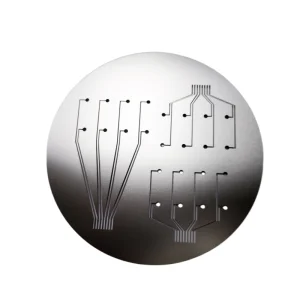
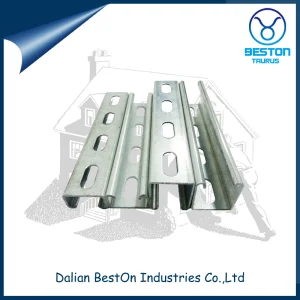
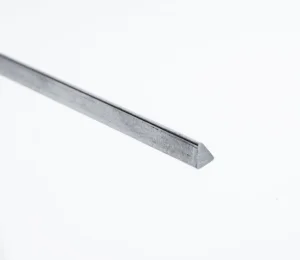
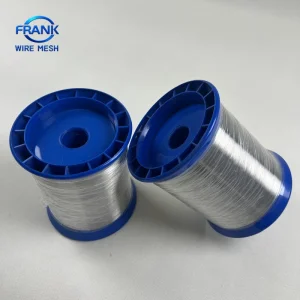
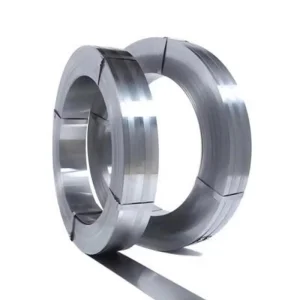
We supply a wide range of industrial metal solutions, including high-hardness strips, custom circuits, capillary tubes, and structural steel.
 TEDDI STEEL