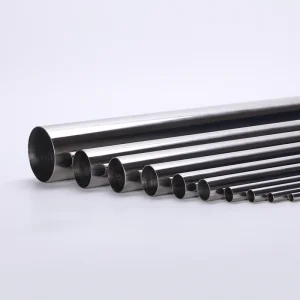
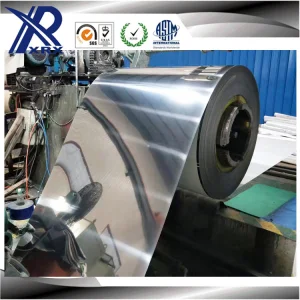
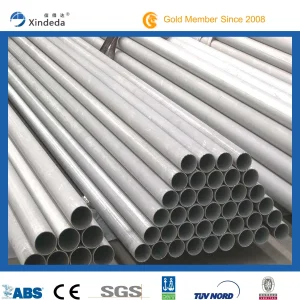
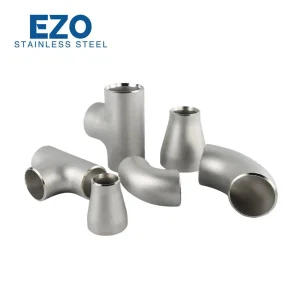
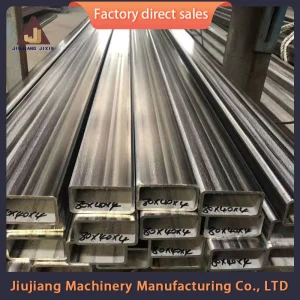
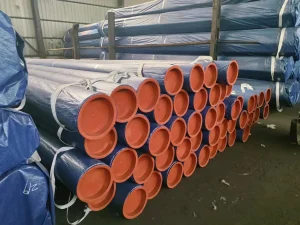
Explore our core metal pipes, structural tubes, and mechanical fittings engineered for structural integrity, sanitary plumbing, and manufacturing frameworks.
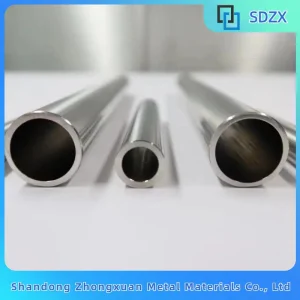
Analyzing market drivers, structural thicknesses, and material specifications for industrial and commercial kitchen installations.
The global demand for commercial, industrial, and high-end residential stainless steel sinks has experienced a structural shift toward materials that guarantee long-term hygienic properties, high impact strength, and severe corrosion resistance. For projects ranging from commercial kitchens in high-traffic hotels to chemical laboratories and industrial manufacturing plants, selecting the optimal combination of sheet metal and plumbing fittings is paramount. Modern building codes place heavy emphasis on structural durability and zero-lead drainage paths, making high-alloy components the primary choice for global procurement directors, mechanical consultants, and general contractors.
When sourcing stainless steel for sink manufacturing or auxiliary piping projects, procurement teams must evaluate the metallurgical properties of different grades. The most widely utilized material, AISI 304 (EN 1.4301), features an 18/10 chromium-nickel composition that provides excellent corrosion resistance under typical conditions. For high-salinity marine environments, coastal developments, or chemical laboratories, upgraded alloys like AISI 316L (EN 1.4404) or even molybdenum-stabilized grades like 317L are critical to mitigate pitting and crevice corrosion. Meanwhile, lower-cost ferritic grades like SUS430 are commonly designated for outer structural casing panels and splashbacks where exposure to corrosive liquids is minimal.
Corporate introduction and operational capabilities of a leading metallurgy manufacturer.
Dongguan TEDDI STEEL Co., Ltd. is a professional stainless steel manufacturer and global supplier specializing in stainless steel plates, coils, pipes, tubes, and a wide range of industrial metal materials. The company is committed to providing high-quality stainless steel products that meet the demanding requirements of industries such as construction, automotive, machinery, energy, food processing, and chemical engineering.
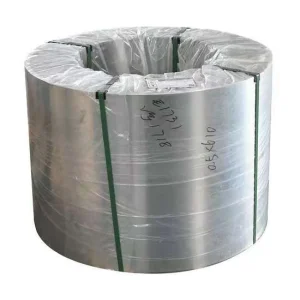
TEDDI STEEL offers an extensive product portfolio including stainless steel sheets, cold rolled and hot rolled coils, seamless and welded pipes, precision tubes, bars, and customized metal solutions. All products are manufactured using premium raw materials and advanced processing techniques to ensure excellent corrosion resistance, durability, and mechanical performance across various applications.
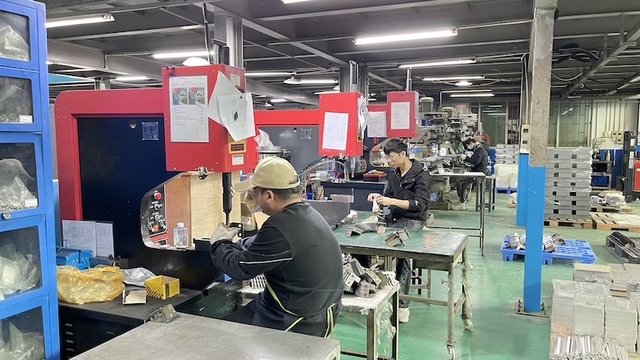
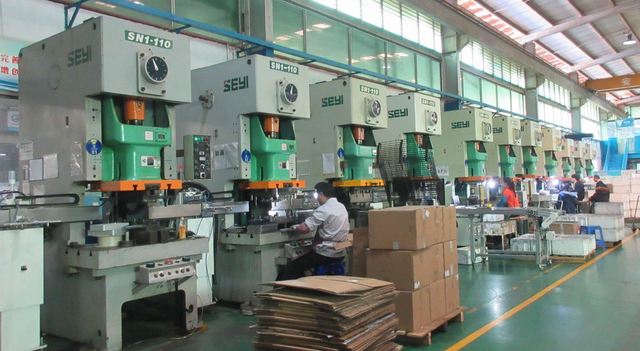
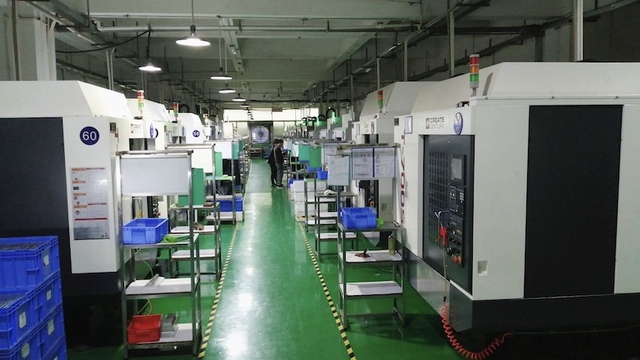
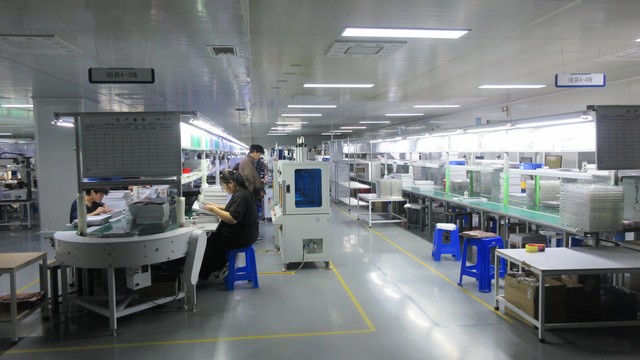
Equipped with modern production facilities, advanced slitting, cutting, and finishing lines, as well as strict quality inspection systems, Dongguan TEDDI STEEL Co., Ltd. ensures consistent product quality and reliable supply capabilities. The company adheres to international standards and implements rigorous testing procedures to meet customer specifications and industry requirements.
In addition to standard products, TEDDI STEEL provides flexible customization and OEM services, supporting clients with tailored dimensions, surface finishes, and packaging solutions. With a strong focus on quality, efficiency, and customer satisfaction, the company continues to serve as a trusted partner for stainless steel and industrial metal material solutions worldwide.
Through our streamlined manufacturing ecosystem in China, we handle everything from basic coil sourcing (via strategic partnerships with Baosteel, POSCO, and Tisco) to precision slitting, surface polishing, and high-frequency tube welding. This holistic manufacturing approach allows us to deliver raw materials and structural components that seamlessly integrate into the supply chains of global sink manufacturers and industrial kitchen designers.
How our metallurgical products serve global infrastructure, sanitary engineering, and food processing plants.
Supplying massive catering establishments requires commercial kitchen sinks that handle continuous impacts, detergents, and high temperatures. Utilizing premium 16-gauge cold-rolled 304 coils ensures high-end deep-draw sink basins, while our hygienic seamless tubes provide durable water connections and waste drainage systems.
In highly corrosive laboratory environments, conventional stainless steel fails quickly due to acid exposure. We supply molybdenum-alloyed AISI 316L and 317L plates and seamless pipes, perfect for fabricating specialized chemical drop-in sinks, scrubber systems, and chemical waste drainage tubes that resist localized crevice corrosion.
For cleanroom environments in semiconductor and medical manufacturing facilities, particulates must be kept to zero. Electropolished stainless steel sinks and matching 316L clean-steam distribution lines ensure that surface contaminants are minimized, preventing bio-film formation and ensuring ultra-clean wash cycles.
| Steel Grade | Typical Composition | Primary Industrial Application | Mechanical Advantage |
|---|---|---|---|
| AISI 304 / EN 1.4301 | 18% Cr, 8% Ni | Commercial Kitchen Sinks, Food Processing, Household Ware | Excellent ductility, standard corrosion resistance, optimal deep drawing capabilities. |
| AISI 316L / EN 1.4404 | 16% Cr, 10% Ni, 2% Mo | Marine fittings, Bio-pharma sinks, Industrial chemical processing pipelines | Enhanced resistance to pitting in chloride environments, low carbon content prevents sensitization. |
| AISI 430 / EN 1.4016 | 16% Cr (Ferritic) | Outer kitchen cabinet panels, appliance cladding, domestic splashbacks | Cost-effective, magnetic properties, high thermal conductivity, moderate atmospheric resistance. |
| AISI 310S / EN 1.4845 | 25% Cr, 20% Ni | High-temperature industrial boiler tubes, heat exchangers, exhaust manifolds | Exceptional resistance to oxidation and scaling under cyclic temperatures up to 1050°C. |
The convergence of green metallurgy, advanced physical vapor deposition (PVD), and soundproofing innovations.
The manufacturing process of stainless steel sinks has transitioned from traditional multi-step press forming to single-stroke deep drawing with dynamic hydraulic pressure control. Achieving a depth of 200mm to 250mm without creating micro-fissures in the corner radii requires raw sheet materials with incredibly tight metallurgical tolerances. Material elongation rates must be consistently maintained above 45% (A50 test standard). TEDDI STEEL's cold-rolled coil division works closely with global manufacturers to supply tailored steel sheets that possess uniform crystalline structures, eliminating cracking and thickness thinning at stress points.
Additionally, structural integration of acoustic insulation has become standard in modern architectural projects. Condensation buildup on the underside of stainless steel sinks can lead to cabinet rotting and mold growth. Modern high-quality sinks prevent this by applying a uniform polymer-based spray-on undercoating, supplemented by heavy-duty vulcanized rubber dampening pads. This composite assembly dampens the impact noise of running water, converting kinetic energy into heat and lowering noise levels by up to 10 decibels.
Aligning production processes with ASTM, EN, and ASME specifications for friction-free international trade.
Our structural pipes, tubing, and sheets conform strictly to ASTM A240 (standard specification for chromium and chromium-nickel stainless steel plate, sheet, and strip for pressure vessels and general applications) and ASTM A312 (seamless and welded austenitic stainless steel pipes).
For European Union projects, all steel products are mapped directly to European Standards including EN 10088-2 (stainless steel plates/sheets for general purposes) and EN 10217-7 (welded steel tubes for pressure purposes), complete with EN 10204 Type 3.1 Mill Test Certificates (MTC).
Every shipment of materials undergoes spectral analysis, hydrostatic pressure testing, and dimensional inspection. Undergoing regular audits by third-party testing firms like SGS ensures that physical properties, tensile strength, and corrosion-resistance characteristics match customer requirements perfectly.
By maintaining strict traceabilities across all production batches, Dongguan TEDDI STEEL guarantees that when an engineering team specifies SUS304 or SUS316L, they receive material containing the exact requisite chemical balance. We strictly prohibit the introduction of recycled low-grade scrap that compromises the molecular integrity of the finished tubing, piping, or sheeting, shielding global buyers from premature structural fatigue or pipe failures.
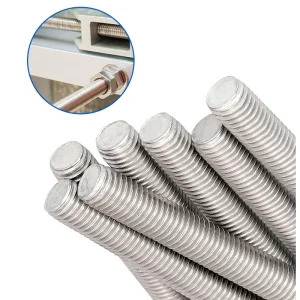
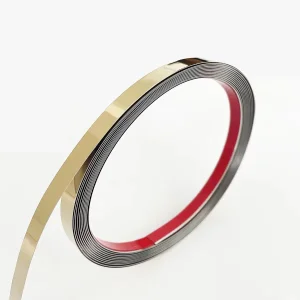
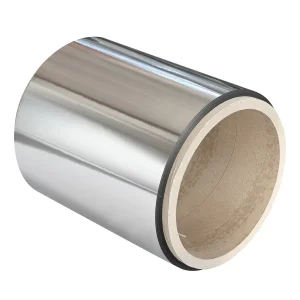
Browse our advanced product portfolio, including mirror-polished coils, corrosion-resistant boiler tubes, and specialized stainless foils.
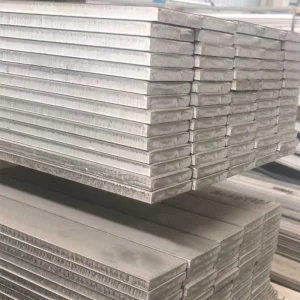
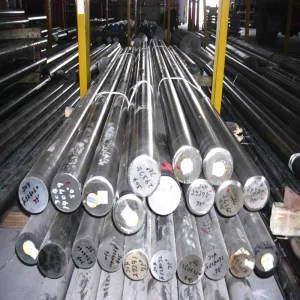
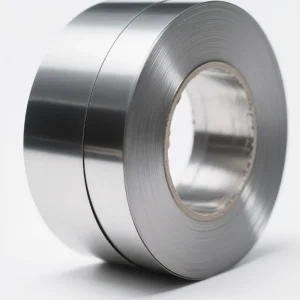
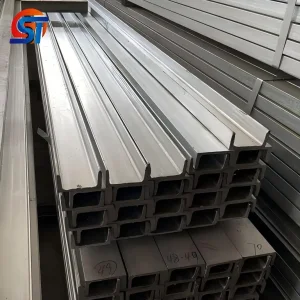
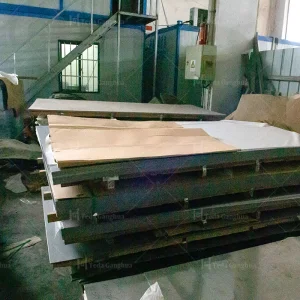
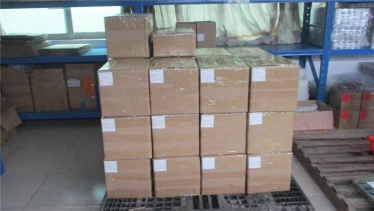
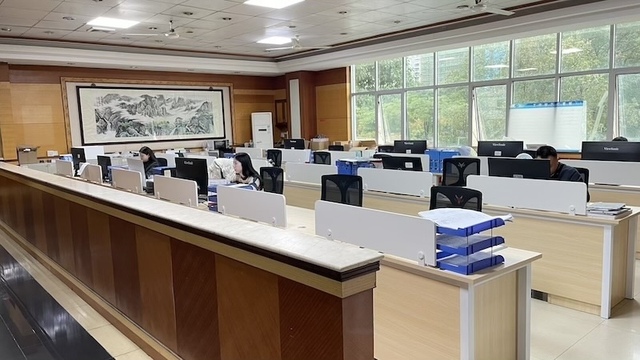
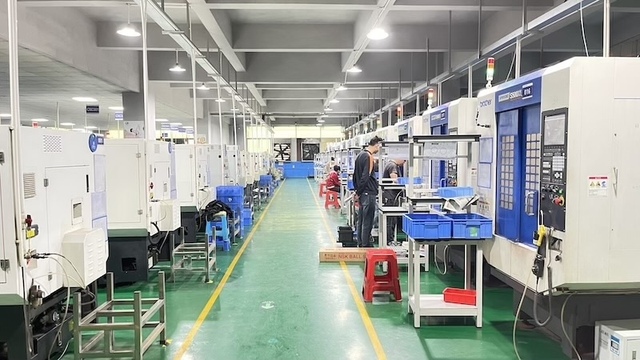
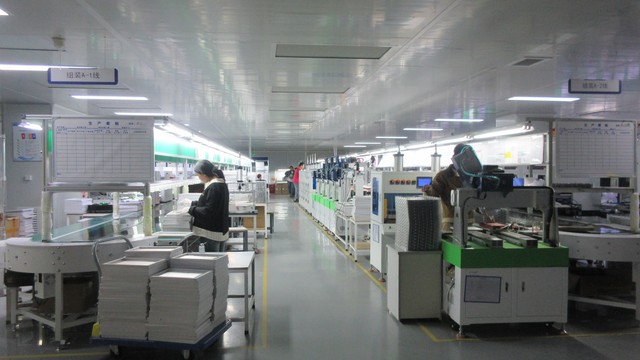
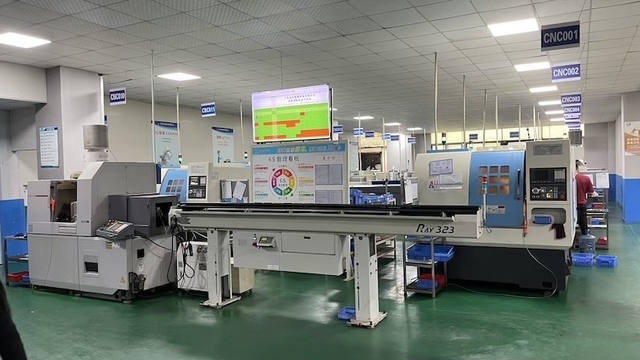
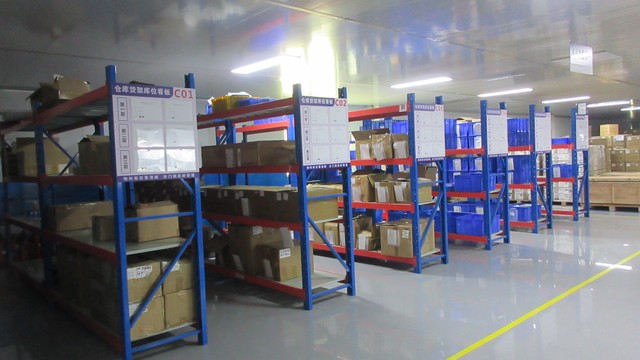
A visual tour of our smelting, rolling, slitting, and logistics storage facilities in Dongguan.
Detailed metallurgical and logistical answers from our technical engineering desk.
 TEDDI STEEL