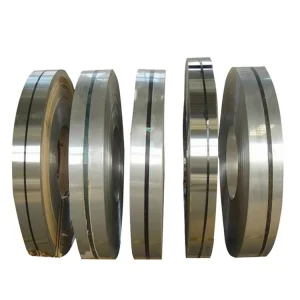
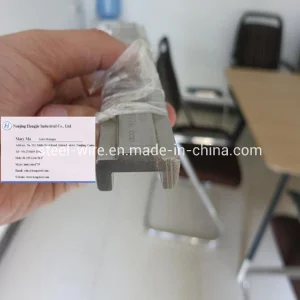
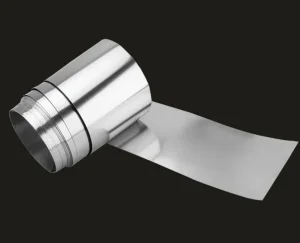
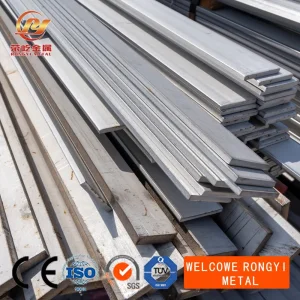
High-grade structural shapes, precision welding elements, and advanced alloy profiles engineered for maximum architectural and structural load capability.
In modern structural engineering and high-end industrial design, structural shapes are the foundational elements that dictate load capabilities, environmental durability, and overall project safety. Among these shapes, the Stainless Steel U Channel serves as a critical structural component. The geometry of a U channel—comprising a web and two parallel flanges—provides excellent structural resistance along both axes, offering exceptional bending strength and structural optimization.
Unlike mild carbon steel channels, which require heavy galvanized layer maintenance or epoxy coating, stainless steel U channels provide intrinsic passivation against rust. This is caused by the spontaneous formation of a chromium-rich oxide film on the metal's surface, which instantly regenerates upon exposure to oxygen. When engineering critical architectural structures or machinery frames in demanding conditions, selecting the right stainless steel profile can mean the difference between a 15-year service life and a 100-year service life.
As global procurement managers evaluate potential manufacturing partners, filtering through thousands of suppliers is a daunting task. The leading "Top 10" stainless steel U channel factories are distinguished by several rigorous benchmarks that extend beyond mere price competitiveness. They integrate downstream raw material sourcing, state-of-the-art thermo-mechanical rolling operations, and precise dimensional control systems.
For instance, premier manufacturers such as Dongguan TEDDI STEEL Co., Ltd. leverage premium grade slabs from major global mills like TISCO, POSCO, and Baosteel. This ensures the raw material has uniform chemical distribution and lacks internal defects that could compromise the physical properties of the finished channel. An evaluation of top tier factories typically centers around three primary metrics:
Top-tier factories possess in-house cold-drawing and hot-rolling machinery capable of sustaining strict dimensional tolerances (typically adhering to ISO 2768 or ASTM A484 specifications). The straightness, twist, and corner radius of the U channels must be strictly controlled, especially when they are intended for robotic assembly lines or high-tolerance architectural glazing systems.
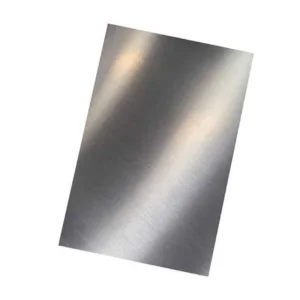
From standard hot-rolled pickled finishes (NO.1) to polished finishes (Mirror 8K, Hairline, Satin), elite factories must have automated processing lines to guarantee finish uniformity. This is particularly crucial for decorative structural channels where aesthetics are as important as structural integrity.
China remains the global powerhouse for stainless steel manufacturing, commanding a dominant share of the world’s production capacity. This leadership is not merely built on cost, but on an integrated, highly advanced industrial supply chain.
1. Raw Material Consolidation: Chinese manufacturers operate in close proximity to massive alloy smelting plants. This localized synergy allows factories to source high-grade raw billets on-demand, insulating them from global shipping bottlenecks and ensuring a steady supply of grades like 304, 304L, 316, 316L, 310S, and duplex alloys.
2. Industrial Clustering: Regions like Guangdong and Jiangsu host dense ecosystems of downstream services. A single manufacturing hub might offer advanced laser cutting, customized profile bending, automated punching, and eco-friendly pickling operations within a 15-mile radius. This dramatic reduction in logistics friction allows suppliers like Dongguan TEDDI STEEL Co., Ltd. to fulfill customized orders with unprecedented lead times.
3. Technological Leadership: Modern Chinese factories have phased out outdated manual roll-forming setups. They utilize continuous computerized structural profiling lines, real-time laser monitoring for deviation control, and digital spectral analyzers for instant material grade confirmation.
How industry leaders maintain quality standards across continuous high-volume production operations.
Every batch of U channels is accompanied by a certified Mill Test Report (MTR) confirming exact chemical composition (Nickel, Chromium, Molybdenum) and mechanical characteristics.
Flexible laser cutting, customized dimensions, unique channel depths, non-standard flange widths, and custom punch holes optimized for immediate field erection.
Implementing ultrasonic thickness testing, automated straightness gauges, optical surface inspection, and salt-spray testing to guarantee long-term corrosion resistance.
For multinational engineering firms, importing stainless steel structural channels requires navigating complex regulatory landscapes. Leading factories provide dedicated localization services to ease this process. For the North American market, compliance with ASTM A276 and ASTM A484 is mandatory. European buyers look for CE marking under EN 10088-3, while Japanese clients expect JIS-standard dimensional alignment.
Additionally, global projects increasingly demand compliance with green building initiatives (such as LEED certification). Sourcing from factories that provide detailed carbon emissions reporting, environmental product declarations (EPDs), and use recycled steel content is becoming standard practice. Dongguan TEDDI STEEL Co., Ltd. aligns with these demands by offering fully certified materials, supporting clients with rigorous documentation and transparent environmental accounting.
The physical profile of the U-channel makes it incredibly versatile. Depending on the steel grade selected, it is deployed across diverse demanding applications globally:
Dongguan TEDDI STEEL Co., Ltd. is a professional stainless steel manufacturer and global supplier specializing in stainless steel plates, coils, pipes, tubes, and a wide range of industrial metal materials. The company is committed to providing high-quality stainless steel products that meet the demanding requirements of industries such as construction, automotive, machinery, energy, food processing, and chemical engineering.
TEDDI STEEL offers an extensive product portfolio including stainless steel sheets, cold rolled and hot rolled coils, seamless and welded pipes, precision tubes, bars, and customized metal solutions. All products are manufactured using premium raw materials and advanced processing techniques to ensure excellent corrosion resistance, durability, and mechanical performance across various applications.
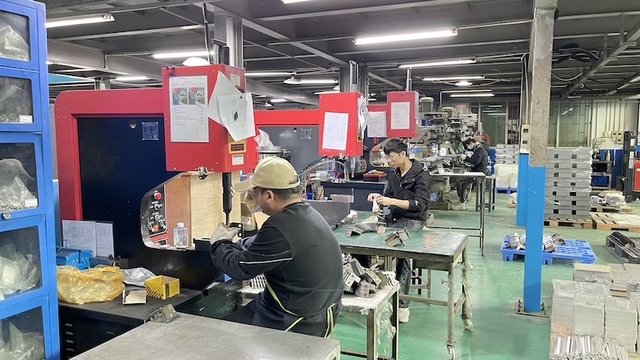
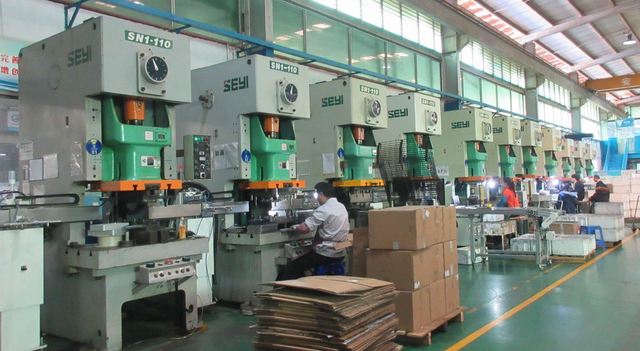
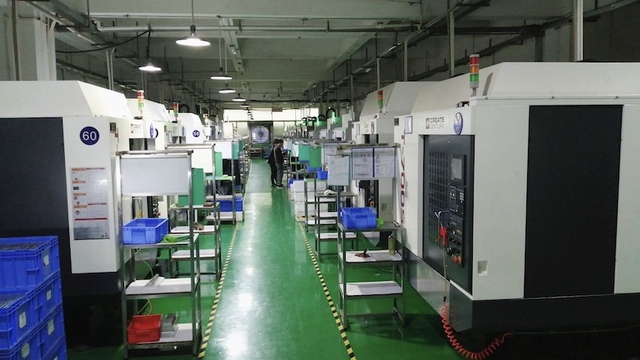
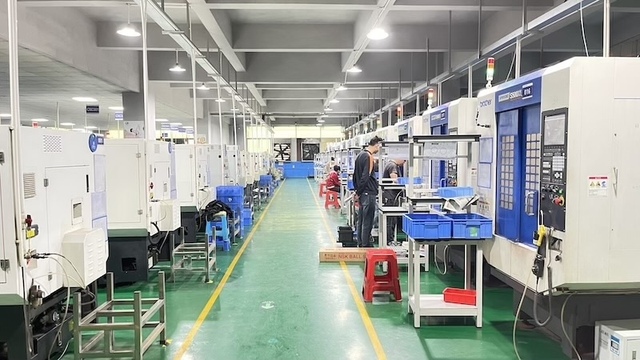
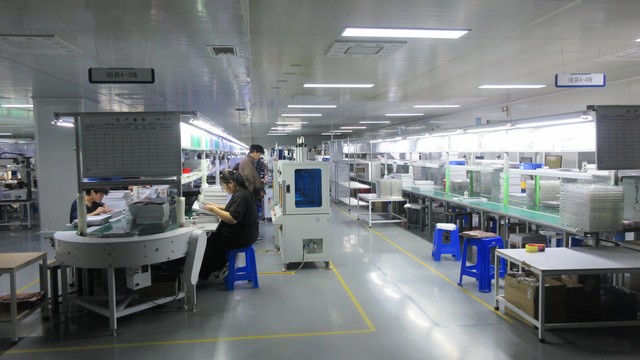
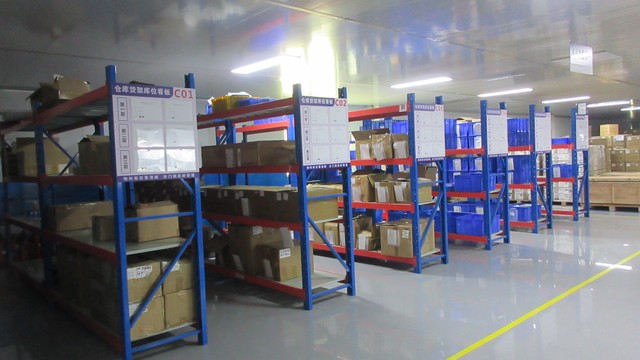
Equipped with modern production facilities, advanced slitting, cutting, and finishing lines, as well as strict quality inspection systems, Dongguan TEDDI STEEL Co., Ltd. ensures consistent product quality and reliable supply capabilities. The company adheres to international standards and implements rigorous testing procedures to meet customer specifications and industry requirements.
In addition to standard products, TEDDI STEEL provides flexible customization and OEM services, supporting clients with tailored dimensions, surface finishes, and packaging solutions. With a strong focus on quality, efficiency, and customer satisfaction, the company continues to serve as a trusted partner for stainless steel and industrial metal material solutions worldwide.
The global sourcing paradigm for structural metal components is undergoing a rapid evolution. Sourcing managers now prioritize digitized tracking and rapid quoting capabilities.
Instead of waiting weeks for custom engineering quotes, buyers can leverage automated digital pipelines where CAD designs are uploaded directly to the factory system, producing instant tooling and pricing options. This digitalization also helps track supply chain metrics from carbon output to logistics routes, providing supply chain transparency.
Technical clarifications and sourcing insights concerning Stainless Steel structural shapes.
U-channels generally refer to structural profiles where the inner flange faces have a slope (tapered flanges), conforming to standards like ASTM A276. C-channels typically have parallel flanges. However, terminology is often used interchangeably based on the specific localization standard (ASTM vs DIN).
Grade 316 contains 2-3% Molybdenum, which increases resistance to chloride-induced pitting corrosion. It should be used in marine projects, coastal framing, chemical storage, or wastewater treatment facilities. Grade 304 is ideal for typical architectural framing, general construction, and dry manufacturing environments.
Consistently meeting specifications requires advanced roll tooling setups and continuous monitoring. Computerized laser systems measure the flange height and web thickness as the strip exits the roll, automatically compensating for variations in incoming raw strip thickness.
An MTC (specifically EN 10204 3.1) guarantees that the chemical composition and physical properties of the delivered batch match the structural engineering requirements of the design. This ensures traceability and validates chemical resistance under stress.
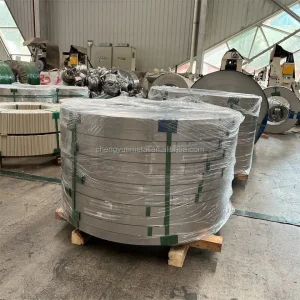
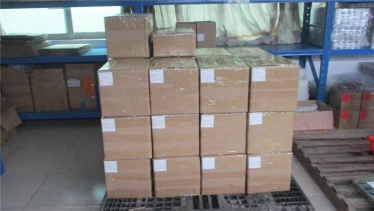
Yes. Reliable factories use reinforced wood or steel-framed packaging structures and plastic sleeves. Proper packaging secures the U-channels against shifting during ocean transport, preventing torsion or surface scratching.
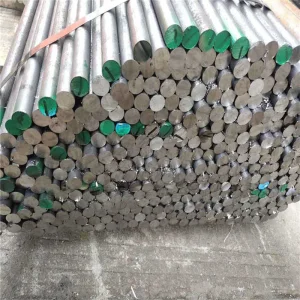
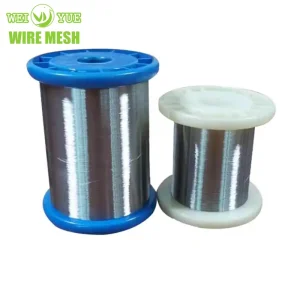
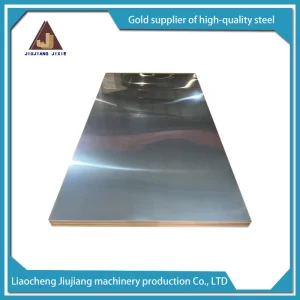
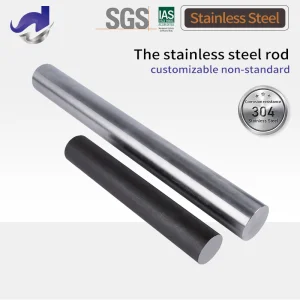
High-quality alloy round bars, medical dental wires, heavy plates, and cost-effective cold-rolled coils from certified production operations.
 TEDDI STEEL