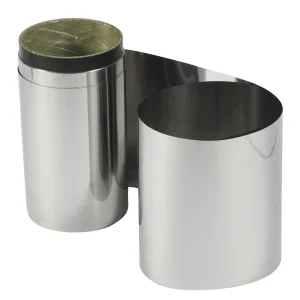
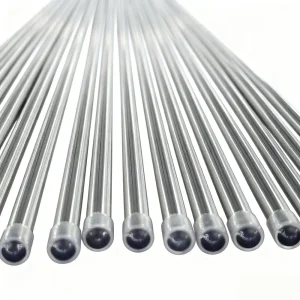
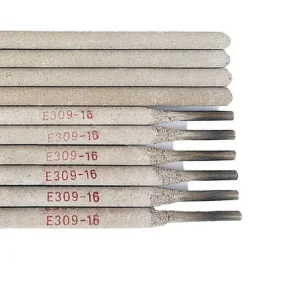
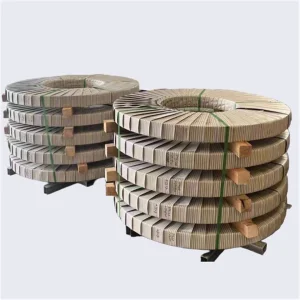
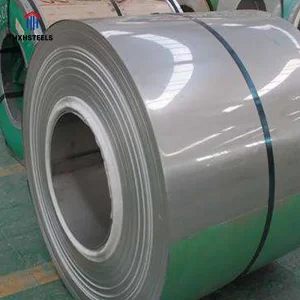
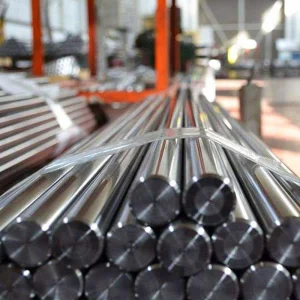
Explore our elite portfolio of high-precision stainless steel items manufactured to strict global standards.
In modern industrial pipeline engineering, rigid pipe systems often encounter structural limitations. Thermal expansion, structural vibration, misalignment, and complex geometries present substantial risks of stress fractures and subsequent fluid system leaks. This is where high-integrity CE certified stainless steel flexible pipes (also known as corrugated metal hoses) serve as a critical defense line.
As a premier global supplier, Dongguan TEDDI STEEL Co., Ltd. specializes in advanced fluid dynamic components. Our stainless steel flexible pipes are engineered to resolve dynamic stress problems in pipelines, offering superior fatigue life, extreme pressure handling, and chemical inertness under volatile operating conditions. Backed by CE compliance under the Pressure Equipment Directive (PED), our piping solutions conform to rigorous safety and environmental frameworks required by international markets.
Unlike elastomeric or polymer-based hoses that degrade under UV exposure, thermal fluctuations, and chemical attack, stainless steel flexible pipes retain their mechanical characteristics across temperatures ranging from cryogenic levels (-270°C) to high-temperature combustion limits (+600°C). By utilizing specialized austenitic steel alloys (304, 316L, 321), our products supply unmatched reliability in systems where failure is not an option.
A high-quality flexible pipe is not simply a piece of thin-walled tubing. It is an engineered assembly consisting of three critical layers that work in synergy: the inner corrugated core, the outer reinforcing braid, and the end fittings.
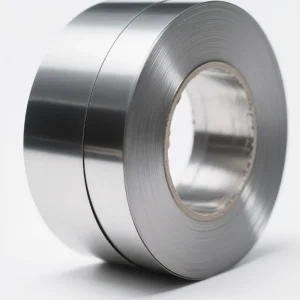
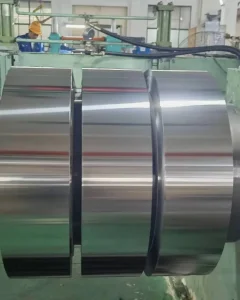
Formed from precision cold-rolled thin strip, the core is hydraulically shaped into parallel concentric convolutions. This geometry distributes mechanical bending stresses uniformly across the profile, giving the pipe its flexibility.
High-tensile wire braid layers (single or double) prevent the corrugated core from elongating under internal pressure. The weave angle is engineered to optimize hoop strength and tensile resistance.
TIG welded or mechanically attached end connections (flanges, NPT threads, quick couplers, or weld preps) are constructed to ensure leak-free transitions to the main piping network.
Different operating environments require specific grades of austenitic stainless steel. For standard non-corrosive or mildly acidic lines, AISI 304 is widely utilized due to its balanced mechanical characteristics. However, in marine environments or highly corrosive chemical processing systems, AISI 316L is required because of its higher molybdenum content, which prevents pitting and stress-corrosion cracking (SCC).
| Alloy Grade | ASTM Standard | Operating Temp Range (°C) | Primary Application Environments | Corrosion Resistance Level |
|---|---|---|---|---|
| AISI 304 | A240 / A312 | -200 to +550 | HVAC, potable water, generic steam, automotive exhausts | Moderate (General Industrial) |
| AISI 316L | A240 / A312 | -270 to +600 | Petrochemicals, chemical dosing, offshore, pharmaceutical manufacturing | Very High (Pitting-Resistant) |
| AISI 321 | A240 / A403 | -100 to +800 | High-temperature flue gases, turbine connections, boilers | Excellent (Anti-Sensitization) |
| Hastelloy C-276 | B575 | -196 to +1000 | Strong mineral acids, ultra-clean semiconductor processing | Extreme (Superalloy performance) |
The requirements of flexible pipelines vary by region and industry. TEDDI STEEL tailors its flexible solutions to align with regional standards, environmental parameters, and localized operating constraints.
Across Germany, Scandinavia, and Eastern Europe, district heating networks depend on underground pipelines that experience continuous thermal cycle expansion and contraction. Standard carbon steel pipes expand under high temperature water loads. Our CE certified corrugated flexible pipes are installed at key nodal joints to absorb longitudinal expansion, protecting structural pipe bridges from damage. Additionally, in European solar thermal roof arrays, our flexible piping permits quick installation between panels, compensating for building settlement and thermal cycling.
In seismic-active zones of the West Coast (California, British Columbia) and industrial sectors along the Gulf of Mexico, pipelines must withstand sudden ground movement. Our heavy-duty braided flexible connections serve as seismic isolators between building foundations and municipal supply systems (gas, water, steam). If an earthquake occurs, the flexible lines deflect without breaking, preventing catastrophic gas leaks and flooding. In the oil patches of Texas and Alberta, these pipes are used in mud-injection pumps to isolate severe reciprocating vibrations, protecting high-cost electronic measurement tools downstream.
In major semiconductor hubs across Taiwan, South Korea, and China, ultra-high purity (UHP) fluid distribution lines require clean components. Our electropolished, seamless 316L tubes and flexible connections prevent trace metal outgassing, helping maintain cleanroom standards. The integration of Hastelloy EP grade tubes ensures chemical compatibility with highly corrosive etching gases, minimizing particle contamination risk.
The industrial fluid transfer sector is undergoing a shift toward smart, high-efficiency systems. As engineering demands rise, simple containment is no longer sufficient; pipelines must also supply data integration, longer lifetimes, and support green operations.
Uniform shaping using water pressure to prevent stress micro-fractures in metal convolutions.
Automated wire braiding to control structural layout angles and coverage ratios.
Ensuring weld joints are free from gas inclusions and localized carburization.
Helium leak detection combined with ultrasonic testing of welds to verify integrity.
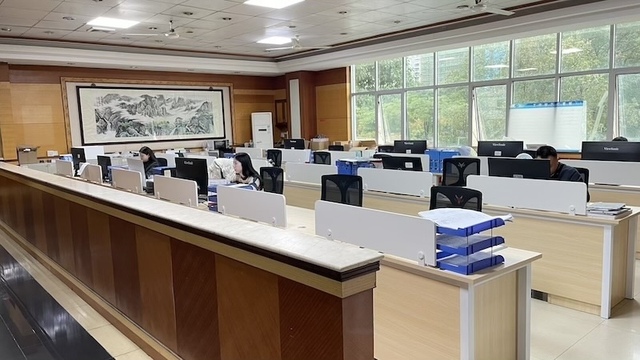
Operating from Dongguan, the manufacturing heart of Guangdong province, Dongguan TEDDI STEEL Co., Ltd. offers a strong combination of industrial supply chain access, raw material sourcing, and efficient export logistics.
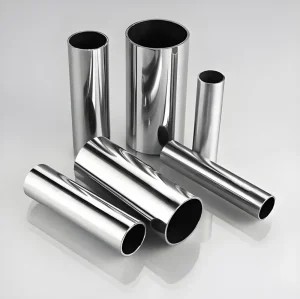
Our company is committed to providing high-quality stainless steel products that meet the demanding requirements of industries such as construction, automotive, machinery, energy, food processing, and chemical engineering. TEDDI STEEL offers an extensive product portfolio including stainless steel sheets, cold rolled and hot rolled coils, seamless and welded pipes, precision tubes, bars, and customized metal solutions. All products are manufactured using premium raw materials and advanced processing techniques to ensure excellent corrosion resistance, durability, and mechanical performance across various applications.
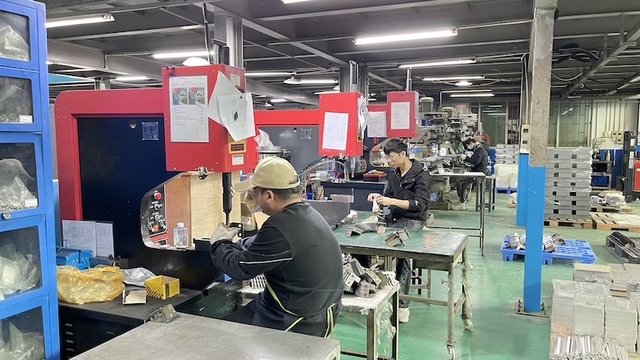
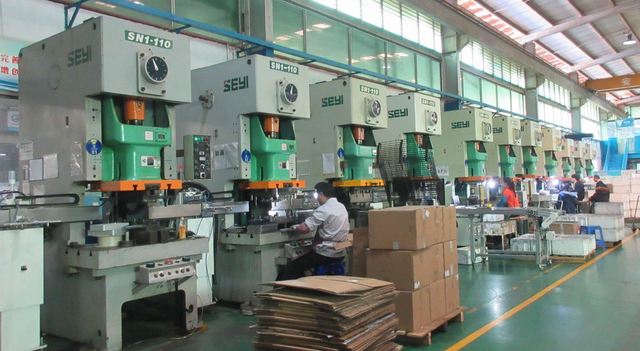
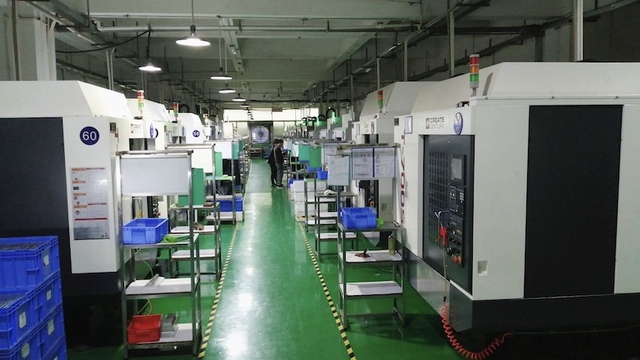
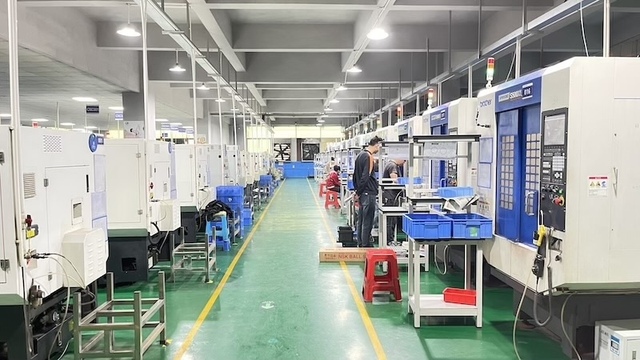
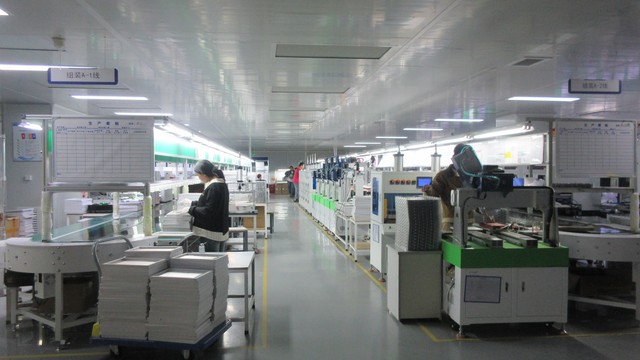
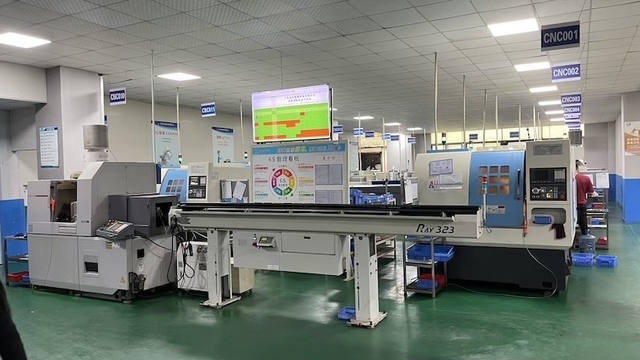
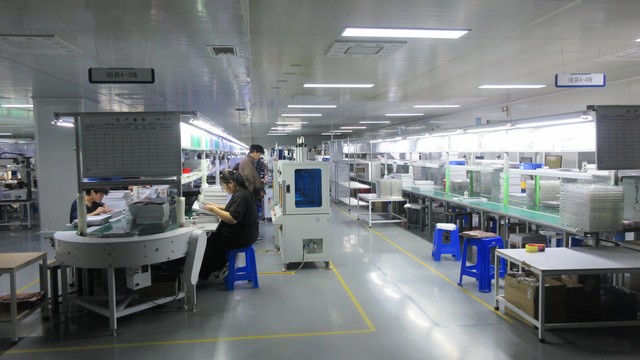
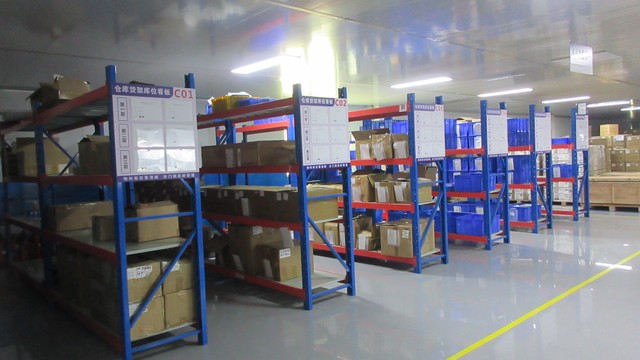
Equipped with modern production facilities, advanced slitting, cutting, and finishing lines, as well as strict quality inspection systems, Dongguan TEDDI STEEL Co., Ltd. ensures consistent product quality and reliable supply capabilities. The company adheres to international standards and implements rigorous testing procedures to meet customer specifications and industry requirements.
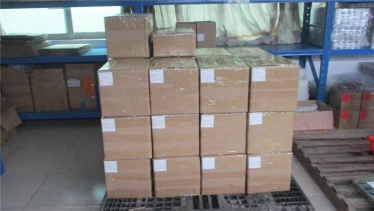
In addition to standard products, TEDDI STEEL provides flexible customization and OEM services, supporting clients with tailored dimensions, surface finishes, and packaging solutions. With a strong focus on quality, efficiency, and customer satisfaction, the company continues to serve as a trusted partner for stainless steel and industrial metal material solutions worldwide.
When exporting to European Union markets, pressure piping must meet compliance criteria defined in standard directives. The CE mark indicates that the product complies with the safety rules of Directive 2014/68/EU (Pressure Equipment Directive - PED).
Our manufacturing lines follow strict Quality Assurance routines to meet these requirements:
Technical answers to critical questions about selection, installation, and field deployment of flexible piping.
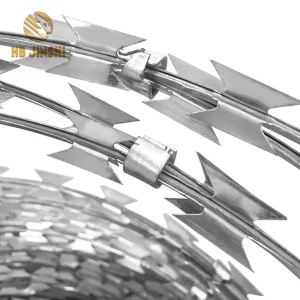
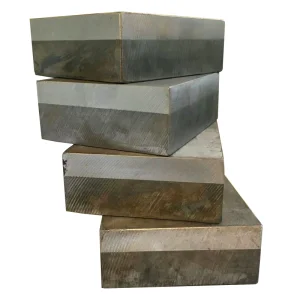
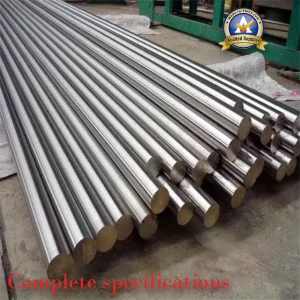
Explore our technical-grade plates, bars, structural shapes, and custom wire products supporting global builds.
 TEDDI STEEL