TEDDI STEEL
1 / 5
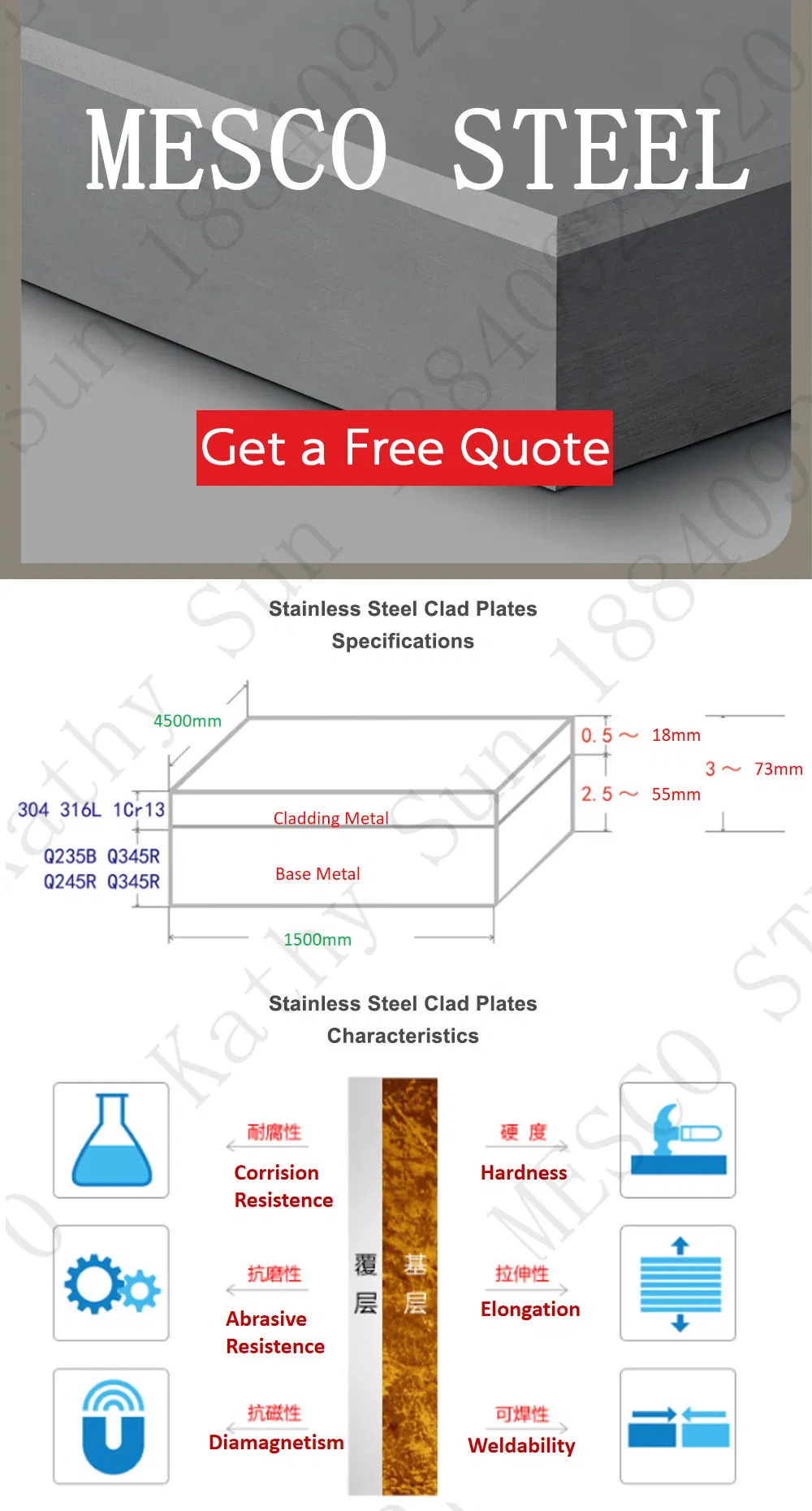
| Grade | Customized | Certification | ISO, RoHS, ASTM, GB, EN, DIN, JIS |
|---|---|---|---|
| Shape | Customized | Technique | Explosion Lamination or Hot Rolling Lamination |
| Surface Treatment | Bright | Thickness | 3-70mm |
| Width | Maximum 4500mm | Cladding Thickness | 0.5mm-15.0mm |
| Base Metal | 2.5-55.0mm | HS Code | 72209000 |
| Production Capacity | 8000ton/Month | Origin | China |
| Specifications | Quantit (MT) | Specific Applications | Project Time |
|---|---|---|---|
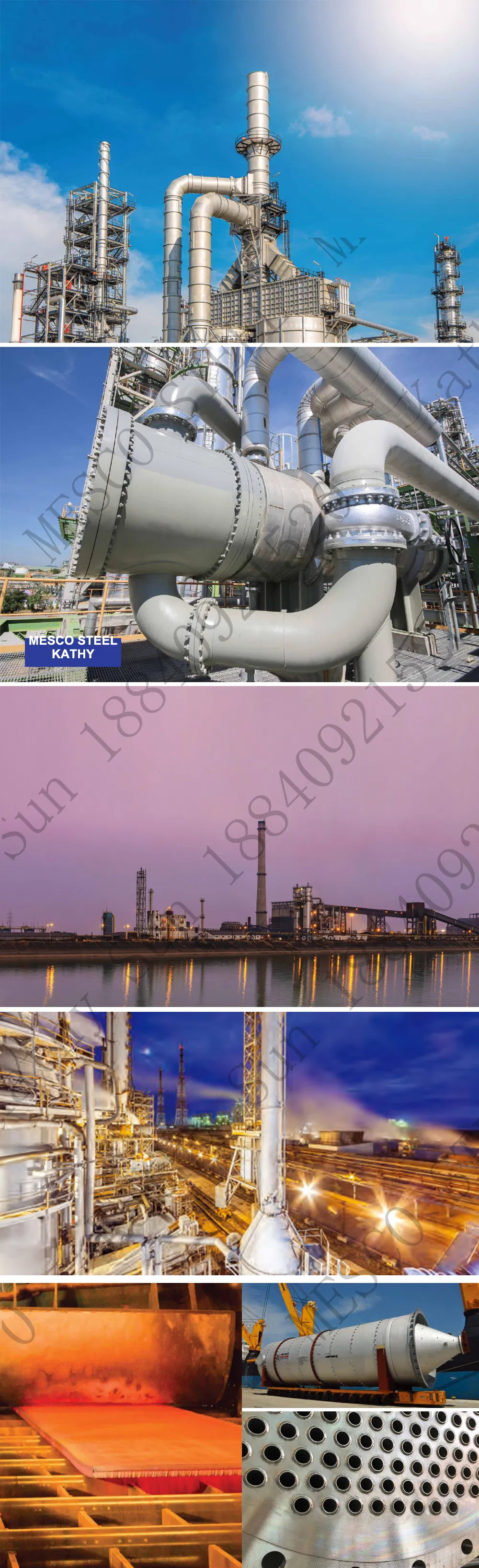
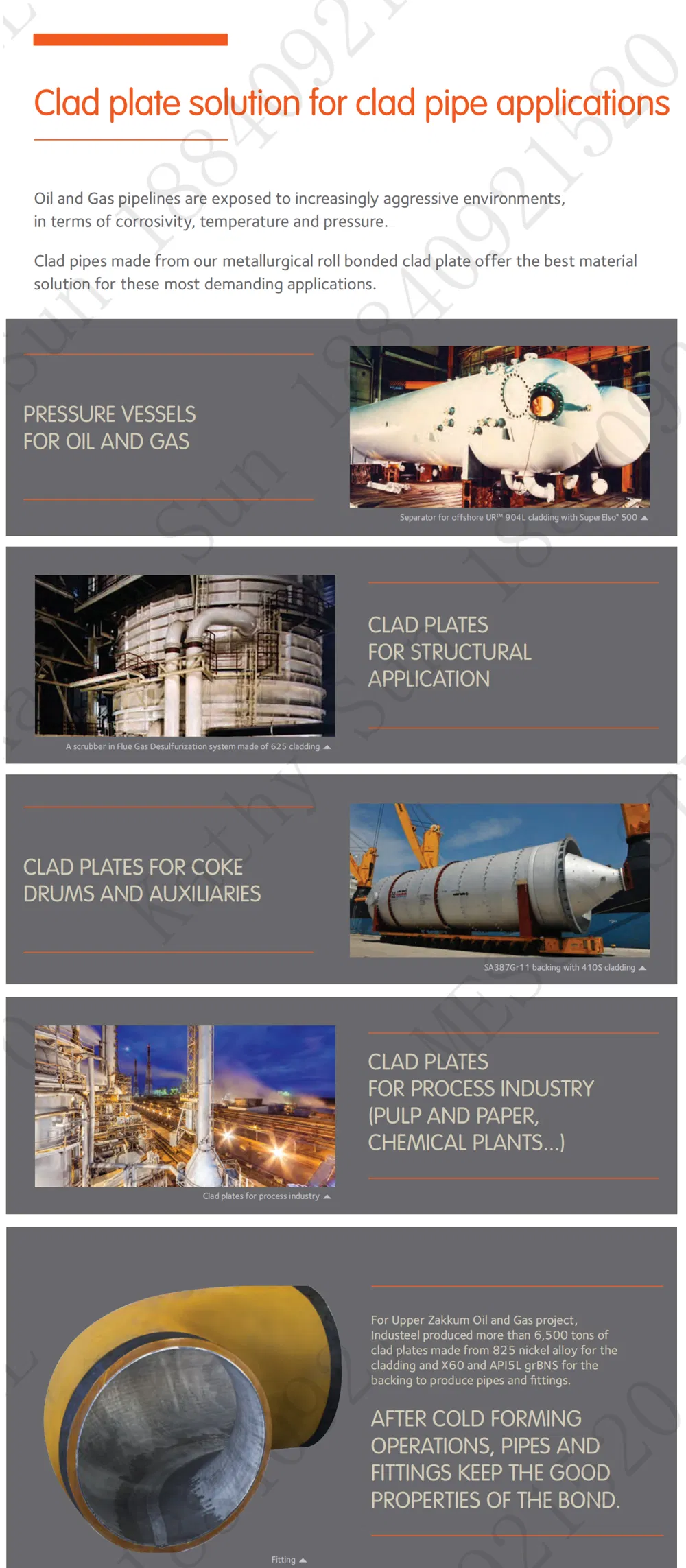
| Q345R+316L (12+2) | 1800MT | Coal-to-Ethylene Glycol Project | 2020.05 |
| Q345R+S30408 (8+2/10+2) | 700MT | Ethylene Glycol Storage Tank | 2019.12 |
| Q370QE+316L (16+3) | 1600MT | Clad Plate for bridge decks | 2019.11 |
| Q235B+1Cr13 (8+2) | 800MT | Building mold table | 2021.03 |
| Q345R+304 (16+2/8+2) | 780MT | Pulp tower | 2023.01 |
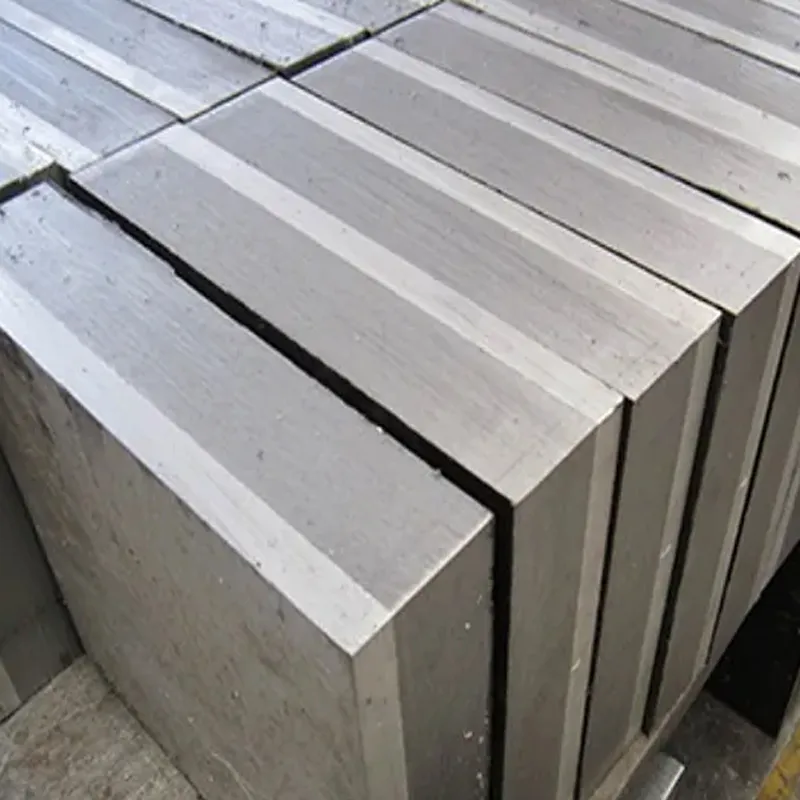
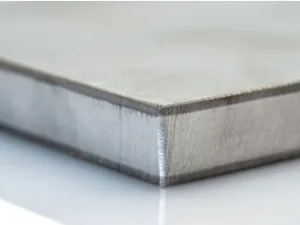
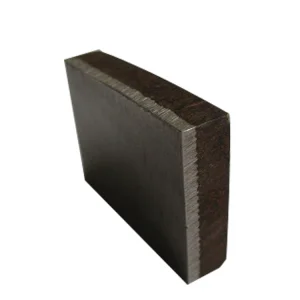
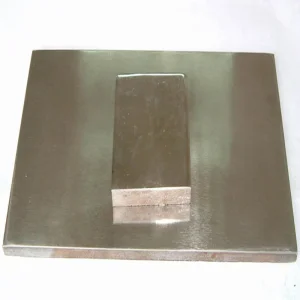
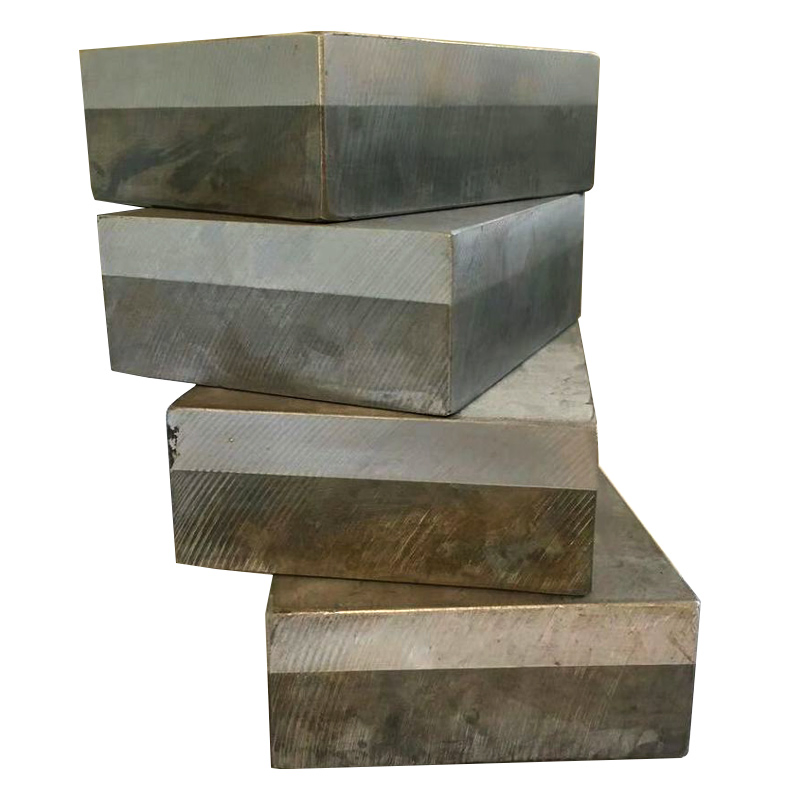
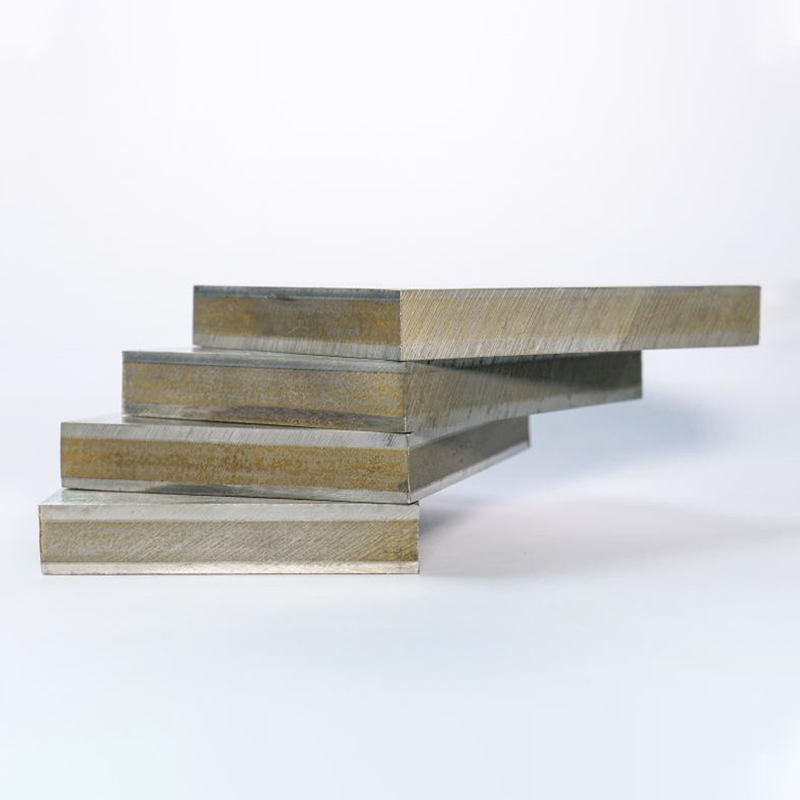
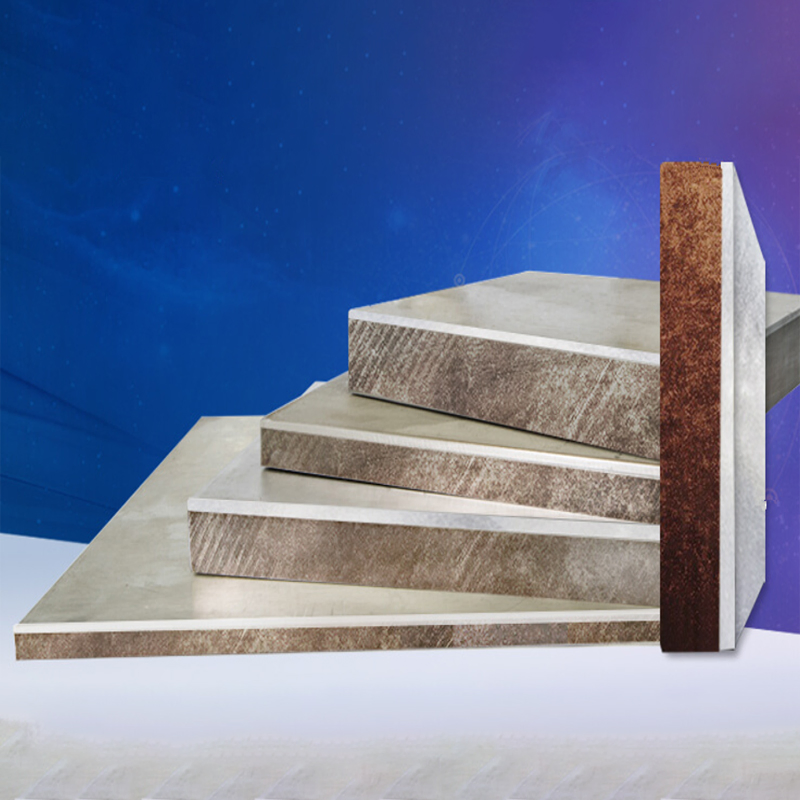
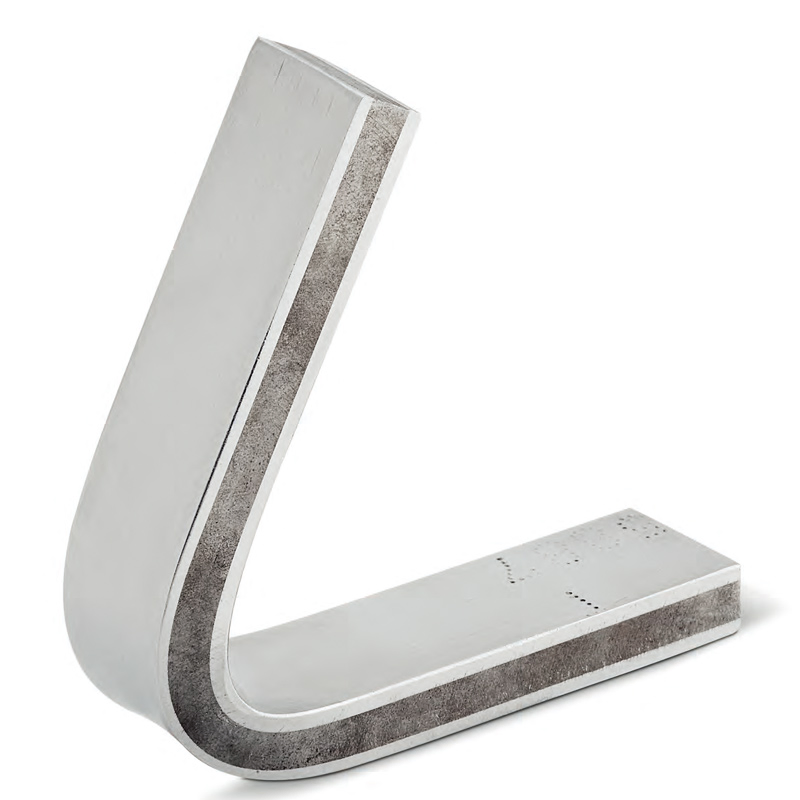
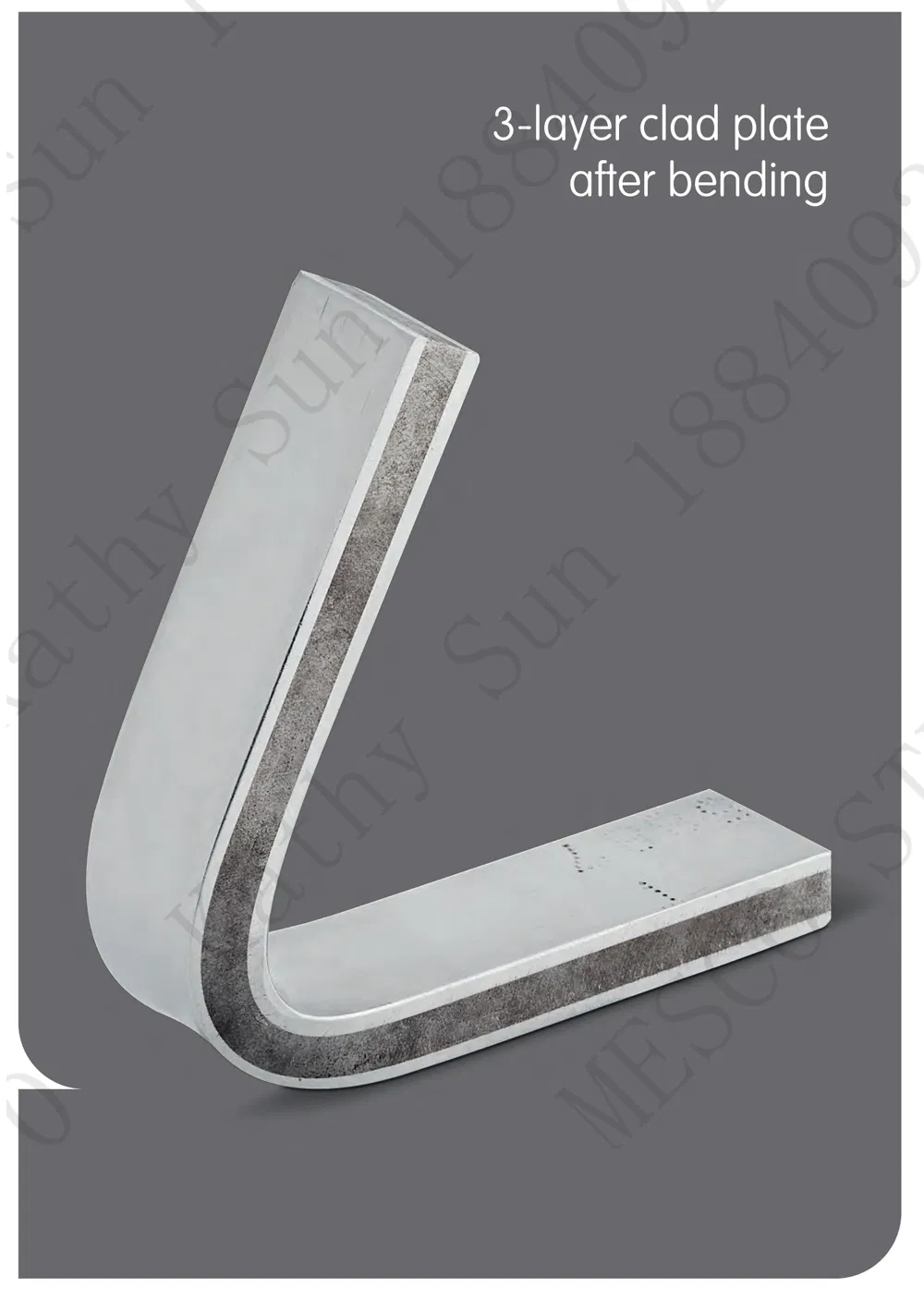
The carbon steel and stainless steel usually form a metallurgical bond during heating and rolling by hot rolling or explosion bonding. Hot roll bonding is a commonly used process in our stainless steel clad plate factory, resulting in a superior bond between the two metals.
Duplex stainless steel offers higher strength and corrosion resistance. It is widely used for structural units such as pressure vessels, chemical storage tanks, bridges, and industrial storage equipment in the paper and sugar industries.
| Standard | ASME SA264, ASME A263, NB/T 47002.1 |
|---|---|
| Cladding Technique | Hot-rolling, Explosion bonding, or Combination |
| Cladding Materials | Stainless steel 300 series, Duplex 2205, etc. |
| Base Metals | Q235B, Q245R, Q345R, Bridge Steel, Shipbuilding Steel, etc. |
| Cladding Thickness | 0.5mm - 18mm (Customizable) |
| Total Thickness | 2.5mm - 55mm (Customizable) |
| Surface Treatment | Negotiable per requirement |
| Bonding Rate | ≥95% (Level III), ≥98% (Level II), 100% (Level I) |