TEDDI STEEL
1 / 5
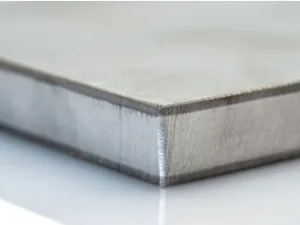
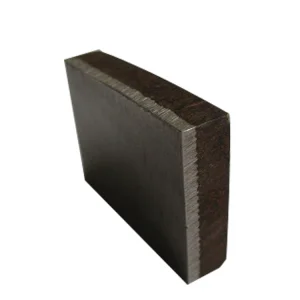
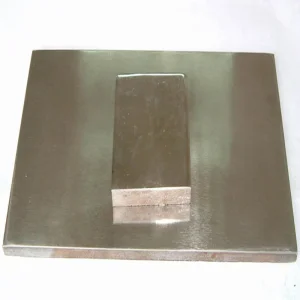
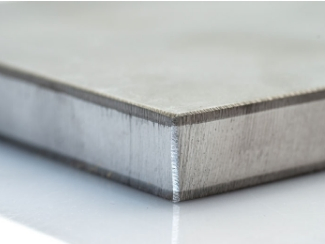
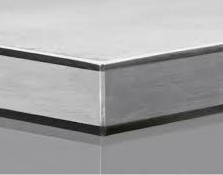
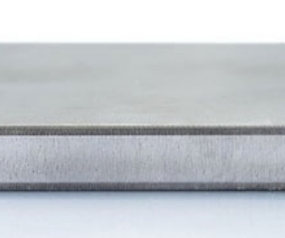
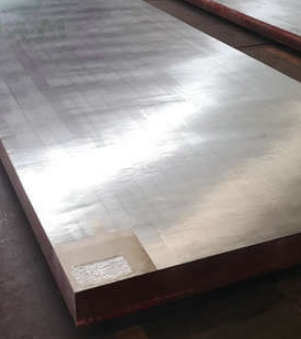
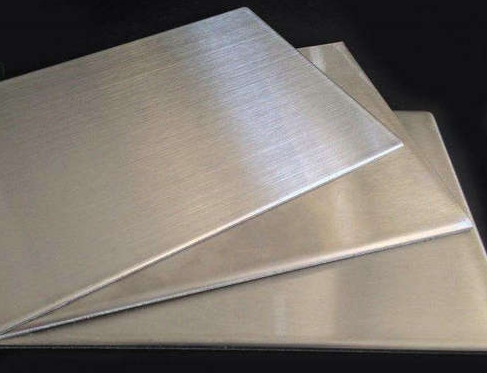
The strength and mechanical properties are ensured by the base layer, while corrosion resistance, wear resistance, and diamagnetism are ensured by the composite layer. The product implements GB/T8165-2008 and NB/T47002-2019 standards.
| Base Metal | Cladding Metal |
|---|---|
| 304 | Q235B |
| 316L | Q345R |
| 1Cr13 | Q345R |
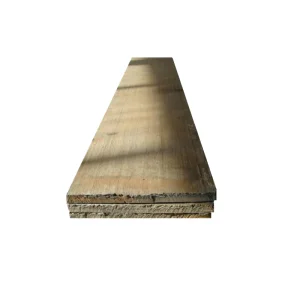
The base material includes normal carbon steel, low alloy steel, and container plates such as Q235B, Q345R, Q245R. Special steels like bridge, shipbuilding, and pipeline steel can also be used. Cladding materials include 304, 316L, 1Cr13, etc.
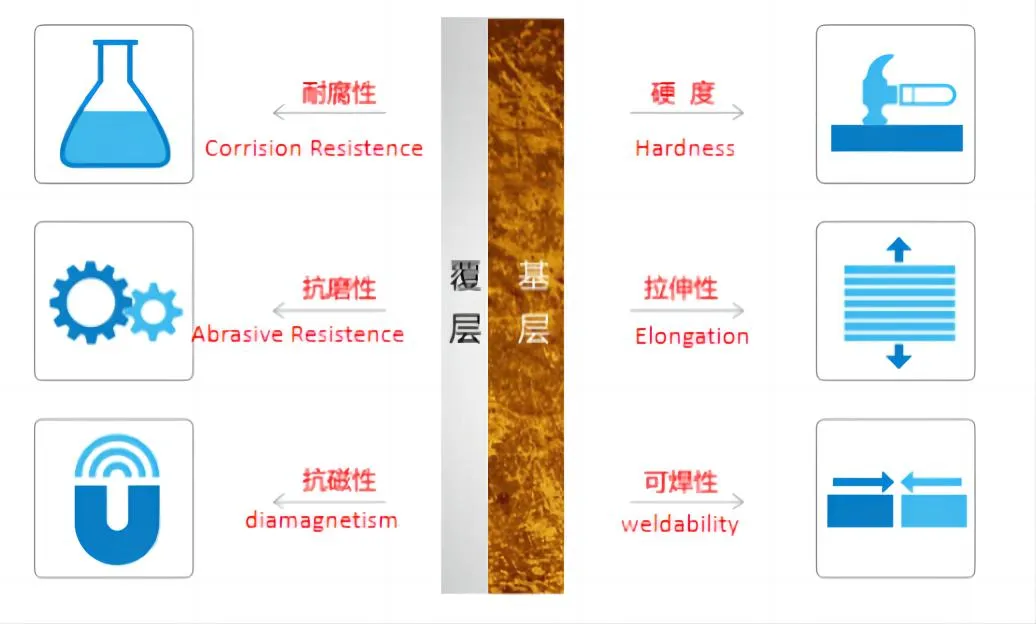
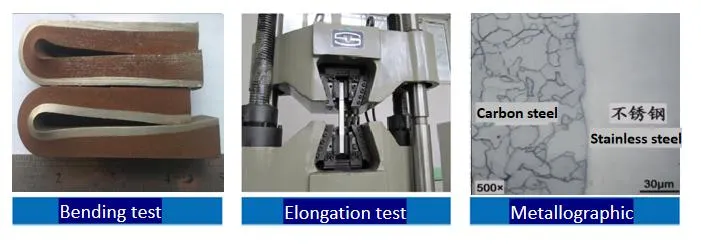
Implemented by GB/T8165-2008 national quality standard. The combination rate reaches ≥95%, ≥98%, and 100%. The interfacial shear strength can reach an average of more than 300Mpa, significantly higher than the national standard of 210Mpa.

Combines corrosion resistance with high strength and toughness, significantly improving the service life of bridge deck structures.
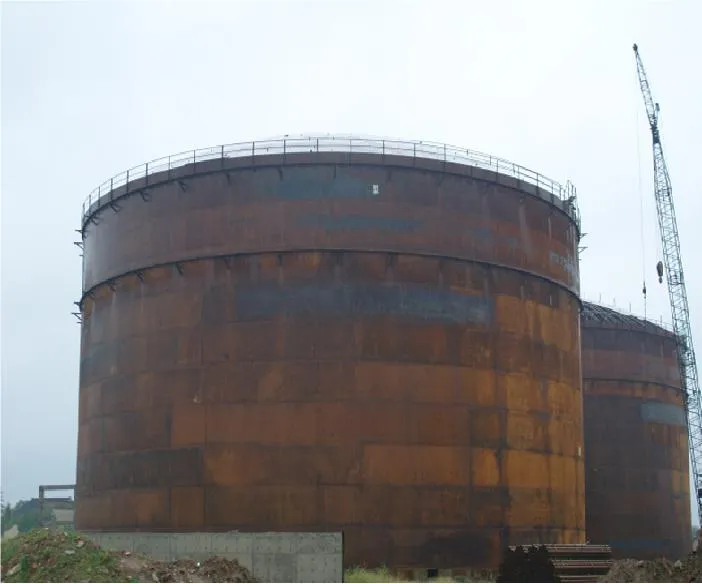
Ideal for atmospheric and vacuum towers, absorption towers, and fractionation towers dealing with high sulfur and high acidity crude oil.
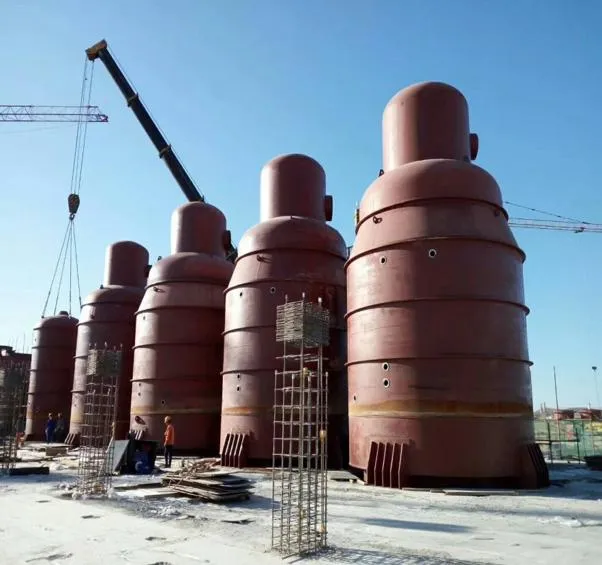
Provides the cleanliness required for ethanol, olive oil, and biochemical storage at a significantly lower cost than pure stainless steel.
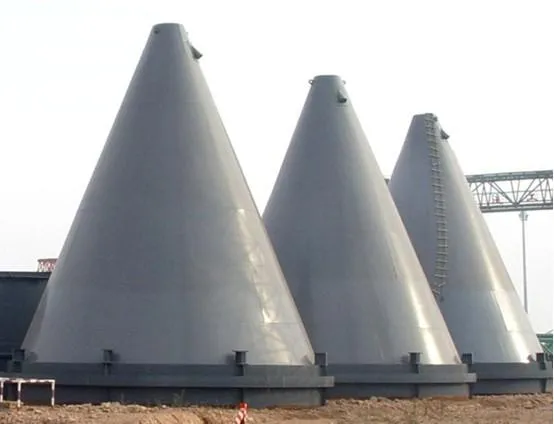
Used in silos, hoppers, and flue gas desulfurization projects to combat corrosion in thermal power plants.
Specializing in industrial raw material solutions based on steel. Authorized as a Top 50 Coating Steel Enterprise and Top 20 Integrity Enterprise in 2019.